How to Use a Vitamin C Serum
When to apply it, how much to use, what to pair it with and what to keep away from it — plus how to tell when the bottle is oxidized and done.
How this is funded: we earn a commission if you buy through our links, at no extra cost to you. It never changes which product we recommend, and we’ll tell you when we’d skip one. Full disclosure.
If you still need a serum
The top two from our vitamin C comparison — one L-ascorbic acid formula and one gentler pick for skin that stings. We have not tested them; the picks come from published formulation facts, and prices are checked daily.
Best overall
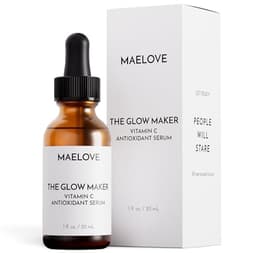
Maelove Glow Maker Vitamin C Serum
L-ascorbic acid with vitamin E and ferulic acid — the pairing the antioxidant research is built on — at a fraction of the classic price.
$39.90 · View on AmazonPrice as of October 20, 2026. #ad How we’re funded
Best for sensitive skin
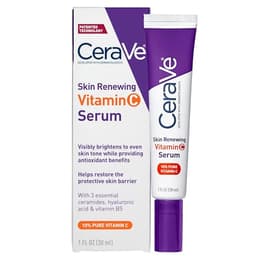
CeraVe Vitamin C Serum with 10% Pure Vitamin C
A lower-strength L-ascorbic acid buffered with ceramides and hyaluronic acid, for skin that finds the high-percentage formulas sting.
A good vitamin C serum can genuinely brighten and even out your skin over time — but only if you use it in the right spot, in the right amount, and before it quietly expires in the cabinet. None of that is complicated. Here’s exactly how to get your money’s worth from a bottle, from where it goes in your routine to how to tell when it’s done.
Where it goes: mornings, on clean skin
Vitamin C is a morning active for most people. As an antioxidant, it complements your sunscreen by helping neutralize the free radicals that daytime UV and pollution generate, so putting it on before you face the day makes sense. Apply it to freshly cleansed skin as your first treatment step, before your heavier layers — the general principle is thinnest to thickest, so a watery serum goes on before creams. Our skincare routine order guide walks through the full sequence if you want to see where everything else fits.
You can use vitamin C at night instead if it suits your routine better — it isn’t harmful in the evening — but the daytime, under-sunscreen slot is where it earns its keep. If you use retinol too, running vitamin C in the morning and retinol at night is the simplest way to keep two potent actives out of each other’s way.
Layering with moisturizer and SPF
The morning sequence is short: cleanse, vitamin C, moisturizer, sunscreen. Give the serum a minute or so to settle before your moisturizer, then finish with a broad-spectrum SPF as the last step of your skincare (before makeup). This is the pairing vitamin C was practically made for — the classic L-ascorbic acid formulas even add vitamin E and ferulic acid specifically to boost that daytime antioxidant protection.
One thing worth repeating because it matters: vitamin C is not a sunscreen. It has no SPF and does not block UV rays. It works with your sunscreen, never instead of it, so don’t let a vitamin C serum become an excuse to skip your actual sun protection.
What to use it with — and what to keep apart
“What can I put on top of it?” is the question that trips people up more than the timing does. The short version: most hydrating and barrier ingredients are fine, and the two other potent actives are not — not because they are dangerous together, but because stacking three strong things on one face is how irritation starts.
- Hyaluronic acid — yes. A hydrating layer over a vitamin C serum is one of the easiest wins in skincare, and it takes the edge off the dryness a higher-strength L-ascorbic acid can cause. The detail is in using vitamin C with hyaluronic acid.
- Niacinamide — yes. The old warning that the two cancel each other out traces back to decades-old lab work on raw, unstable ingredients under high heat — not to modern formulas on a face. See niacinamide with vitamin C for what that research actually said, or vitamin C vs niacinamide if you’re deciding between them rather than layering both.
- Sunscreen — always. This is the pairing vitamin C exists for: the antioxidant mops up free radicals, the SPF blocks the UV. How to layer vitamin C with sunscreen covers the order and the wait time, and our face sunscreen picks cover what to put on top.
- Retinol and exfoliating acids — different time of day. Nothing catastrophic happens if they overlap, but each is asking a lot of your skin on its own. Vitamin C in the morning, retinol or an acid at night, and your barrier gets a break between them. What not to mix with vitamin C lists the specific conflicts.
Frequency is the other half of “with what”: most people do best applying it once daily, every morning, and consistency matters far more than strength — how often to use vitamin C goes into when twice a day or every other day makes more sense.
How much to use
Less than you think. A few drops or a single dropper covers the whole face and neck in a thin, even layer — that’s all it takes. Slathering on more won’t deepen the benefit; it just drains a bottle that’s already racing against oxidation. Pat it in gently rather than rubbing hard, and let it absorb before the next layer.
How to tell when it’s oxidized and done
This is the part most people miss, and it’s the difference between a serum that works and one that doesn’t. Color is your potency gauge. A fresh L-ascorbic acid serum is clear to pale straw-yellow. As it oxidizes — which air, light and heat all speed up — it turns deep yellow, then orange, then brown. Once it has darkened noticeably, it has lost much of its strength, and a badly oxidized serum can even leave a faint dull or orange cast on the skin. When you see that shift, it’s time to replace the bottle rather than push to the last drop.
A quick honesty note: not every vitamin C is L-ascorbic acid, and some gentler derivatives are far more stable and don’t telegraph their age through color the same way. The color test is most reliable for the pure L-ascorbic acid serums — which are also the ones most worth watching, since they’re the least stable. Vitamin C is the shortest-lived product in most routines, and does skincare expire covers how the rest of your shelf ages, including the one product that is legally required to carry a date.
Storage: how to slow the clock
- Keep it cool and dark. Heat and light are what age it fastest, so a closed cabinet beats an open, sunny bathroom shelf. Some people keep theirs in the fridge.
- Close it tight. Air is the other enemy. Reseal the cap or pump promptly, and favor opaque or air-restricting packaging over a wide clear jar.
- Buy a size you’ll finish. Once opened, an L-ascorbic acid serum has a real countdown — a few months, not a year. A smaller bottle you use up beats a bargain-size one that browns before you reach the bottom.
A quick word on patch testing
Higher-strength L-ascorbic acid can sting, especially on sensitive skin, so it’s worth patch testing a new serum — dab a little on a discreet spot for a few days before going all in. A brief, mild tingle on application can be normal; persistent stinging, burning or redness is a sign to step down to a lower percentage or a gentler derivative. There’s no bravery bonus for enduring an irritating serum.
That’s the whole routine: a few drops on clean morning skin, moisturizer and SPF over the top, and a bottle kept cool, dark and closed so it stays potent to the end. When you’re ready to choose one, our best vitamin C serums comparison sorts real products by form, stated strength and how well they hold up.
General guidance, not medical advice. Barrier & Balm is written by a skincare enthusiast, not a dermatologist. For a diagnosis, a reaction, or a prescription active like tretinoin, see a qualified professional. Introduce any new active slowly and patch-test first.
Frequently asked questions
When should I apply my vitamin C serum?
Morning is the classic choice. Applied after cleansing and before moisturizer and sunscreen, its antioxidant action complements your SPF against daytime UV and pollution. You can use it at night if you prefer, but most people get the most out of it in the AM.
How much vitamin C serum should I use?
Just a few drops, or a single dropper, is plenty for the whole face and neck. Piling on more doesn't improve results and only burns through a product that has a limited life once opened. A thin, even layer is all you need.
How do I know if my vitamin C serum has oxidized?
Watch the color. A fresh L-ascorbic acid serum is clear to pale yellow; as it oxidizes it darkens to deep yellow, orange, then brown. A darkened serum has lost much of its potency and can leave a dull cast on skin, so replace it once it turns.
Do I still need sunscreen if I use vitamin C?
Yes, always. Vitamin C is an antioxidant that works alongside sunscreen, not a substitute for it — it carries no SPF and doesn't block UV. Think of it as a partner that helps mop up free radicals while your sunscreen does the actual shielding.
Should I patch test a new vitamin C serum?
It's worth it, especially with a higher-strength L-ascorbic acid, which can sting sensitive skin. Apply a small amount to a discreet area for a few days before using it all over. If you get persistent stinging or redness, a gentler derivative may suit you better.
Sources
- Vitamin C in dermatology (PMC) — Telang — review of topical vitamin C forms, stability and photoprotection (accessed July 17, 2026)
- Ferulic acid stabilizes a solution of vitamins C and E and doubles its photoprotection (PubMed) — Lin et al. — the L-ascorbic acid + vitamin E + ferulic acid evidence (accessed July 17, 2026)
- American Academy of Dermatology — Should I apply my skin care products in a certain order? — AAD on the order to apply cleanser, treatment, moisturizer and sunscreen (accessed July 17, 2026)
- American Academy of Dermatology — Skin care basics — AAD consumer guidance on cleansing, moisturizing and sun protection (accessed July 17, 2026)
Keep reading
Types of vitamin C
L-ascorbic acid versus the gentler derivatives - which form to pick for your skin.
Read the guideVitamin C, explained
L-ascorbic acid vs derivatives, what strength to look for, and why storage matters.
Read the guideBest vitamin C serums
Real serums compared on form, stated strength and stability, with live prices.
See the picksVitamin C vs niacinamide
Two brightening actives compared on evidence, gentleness and whether you need both.
Compare themSkincare routine order
Where serums fit relative to cleanser, moisturizer and SPF, morning and night.
See the orderHow often to use vitamin C
Daily, twice daily or every other day — how to set a frequency your skin actually tolerates.
Read the guideVitamin C with sunscreen
The pairing vitamin C exists for — the order, the wait time, and why it isn't an SPF substitute.
Read the guideWhat not to mix with vitamin C
The specific conflicts worth splitting between morning and night, and the ones that are myths.
See the conflictsVitamin C with hyaluronic acid
The easiest layering win there is, and why it takes the edge off a strong L-ascorbic acid.
Read the guideNiacinamide with vitamin C
Where the 'they cancel each other out' warning came from, and why modern formulas layer fine.
Read the guideBest face sunscreen
The SPF that goes over the top — mineral and chemical picks compared, with live prices.
See the picks