Barrier & Balm

Best Vitamin C Serums

Vitamin C serums compared on the form that matters: real L-ascorbic acid picks backed by antioxidant evidence, plus gentler derivatives for sensitive skin.

By Stephen V.Last updated How we pick

Vitamin C is the daytime antioxidant most worth adding to a routine: it helps neutralize the free radicals UV creates, supports collagen, and fades dull, uneven tone over weeks of steady use. The catch is that “vitamin C serum” covers two very different things — pure L-ascorbic acid, the form with the most research behind it, and a range of gentler derivatives that trade some of that evidence for stability and lower irritation.

That is the lens we compare on: which form of vitamin Ca serum uses, whether it pairs L-ascorbic acid with the vitamin E and ferulic acid that stabilize it, and who each formula actually suits. A stated 10–15% L-ascorbic serum does more of the studied work than a vague “vitamin C complex,” but if pure vitamin C stings your skin, a derivative you’ll actually keep using beats a potent one you abandon. Use it in the morning under sunscreen, and replace it once it darkens.

How this is funded:we earn a commission if you buy through our links, at no extra cost to you. It never changes which product we recommend, and we’ll tell you when we’d skip one. Full disclosure.

Quick picks

Ranked on formulation, stated concentration and buyer fit. Select a row to jump to the full write-up. We have not tested these products — here is exactly what we do instead.

#ProductBest forPrice
1
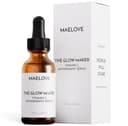
Maelove Glow Maker Vitamin C Serum

Maelove Glow Maker Vitamin C Serum

Uses the antioxidant trio that actually has evidence behind it — L-ascorbic acid with vitamin E and ferulic acid — at a fraction of the famous serum it echoes. The pick if you want the studied form.

Best overall
$39.90 · View on Amazon

Price as of July 17, 2026. #ad How we’re funded

2
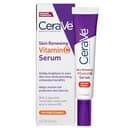
CeraVe Vitamin C Serum with 10% Pure Vitamin C

CeraVe Vitamin C Serum with 10% Pure Vitamin C

A stated 10% pure vitamin C with ceramides and hyaluronic acid — the gentlest way into L-ascorbic acid, because the barrier support is in the same bottle. Fragrance-free.

Best for sensitive skin
$23.86 · View on Amazon

$28.9918% off

Price as of July 17, 2026. #ad How we’re funded

3
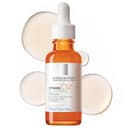
La Roche-Posay Pure Vitamin C10 Serum

La Roche-Posay Pure Vitamin C10 Serum

10% pure vitamin C with a little salicylic acid and hyaluronic acid, so it does mild texture-smoothing alongside the brightening. Best suited to oilier, blemish-prone skin.

Best for oily skin
$37.99 · View on Amazon

$44.9916% off

Price as of July 17, 2026. #ad How we’re funded

4
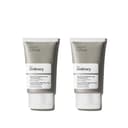
The Ordinary Vitamin C Suspension 23% + HA Spheres 2%

The Ordinary Vitamin C Suspension 23% + HA Spheres 2%

The cheapest way to get a genuinely high 23% L-ascorbic acid dose — at the cost of a gritty, silicone texture that not everyone tolerates. A value pick with an honest catch.

Best high strength on a budget
$16.20 · View on Amazon

Price as of July 17, 2026. #ad How we’re funded

5
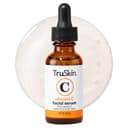
TruSkin Vitamin C Serum

TruSkin Vitamin C Serum

An Amazon best-seller built on sodium ascorbyl phosphate — a gentle vitamin C derivative, not L-ascorbic acid. Lower irritation, but also a milder, slower brightening effect. Set expectations.

Best gentle derivative
$19.99 · View on Amazon

Price as of July 17, 2026. #ad How we’re funded

The picks in full

#1Best overall

Maelove Glow Maker Vitamin C Serum

Uses the antioxidant trio that actually has evidence behind it — L-ascorbic acid with vitamin E and ferulic acid — at a fraction of the famous serum it echoes. The pick if you want the studied form.

Strengths

  • L-ascorbic acid + vitamin E + ferulic acid — the researched antioxidant stack
  • Fragrance-free and lightweight
  • Far cheaper than the prestige serum it's modelled on

Trade-offs

  • L-ascorbic acid oxidises over time — buy fresh, store cool, replace when it darkens
  • Can tingle on first use as skin adjusts
Key activeL-ascorbic acid (vitamin C)
Stated concentration15%
FormatLightweight fluid
Fragrance-freeYes
Best forNormal, Combination, Dull skin

Formulation note. 15% L-ascorbic acid + vitamin E + ferulic acid — the combination shown in the dermatology literature to stabilize vitamin C and boost photoprotection. This is the form to look for.

Ingredients and claims read from the product listing, on July 17, 2026. “Not published” means the brand does not state that figure.

#2Best for sensitive skin

CeraVe Vitamin C Serum with 10% Pure Vitamin C

A stated 10% pure vitamin C with ceramides and hyaluronic acid — the gentlest way into L-ascorbic acid, because the barrier support is in the same bottle. Fragrance-free.

Strengths

  • Publishes 10% pure vitamin C — a stated, sensible starting strength
  • Ceramides + HA offset the dryness L-ascorbic acid can cause
  • Fragrance-free and widely stocked

Trade-offs

  • Opaque tube helps stability but you still can't see oxidation
  • 10% is effective but not the highest available
Key activeL-ascorbic acid (vitamin C)
Stated concentration10%
FormatLight lotion-serum
Fragrance-freeYes
Best forSensitive, Dry, Normal

Formulation note. 10% pure vitamin C + hyaluronic acid + 3 essential ceramides. The ceramide inclusion is what makes it the tolerable entry point.

Ingredients and claims read from the product listing, on July 17, 2026. “Not published” means the brand does not state that figure.

#3Best for oily skin

La Roche-Posay Pure Vitamin C10 Serum

10% pure vitamin C with a little salicylic acid and hyaluronic acid, so it does mild texture-smoothing alongside the brightening. Best suited to oilier, blemish-prone skin.

Strengths

  • Stated 10% L-ascorbic acid
  • Added salicylic acid nudges texture and congestion
  • Formulated for sensitive skin despite the actives

Trade-offs

  • The salicylic acid is redundant if you already use a BHA
  • Pricey next to the drugstore 10% options
Key activeL-ascorbic acid (vitamin C)
Stated concentration10%
FormatLightweight serum
Fragrance-freeNo
Best forOily, Combination, Blemish-prone

Formulation note. 10% pure vitamin C + salicylic acid + hyaluronic acid. The BHA makes it a two-in-one, which is a plus only if you're not already exfoliating elsewhere.

Ingredients and claims read from the product listing, on July 17, 2026. “Not published” means the brand does not state that figure.

#4Best high strength on a budget

The Ordinary Vitamin C Suspension 23% + HA Spheres 2%

The cheapest way to get a genuinely high 23% L-ascorbic acid dose — at the cost of a gritty, silicone texture that not everyone tolerates. A value pick with an honest catch.

Strengths

  • Stated 23% pure L-ascorbic acid — very high
  • Anhydrous suspension resists oxidation better than water serums
  • Lowest cost per use of any vitamin C here

Trade-offs

  • Gritty, slightly draggy texture is a common complaint
  • 23% can sting or purge on sensitive skin — not a starting point
Key activeL-ascorbic acid (vitamin C)
Stated concentration23%
FormatGritty silicone suspension
Fragrance-freeYes
Best forOily, Resilient, Not sensitive

Formulation note. 23% suspended L-ascorbic acid particles in silicones (an anhydrous base for stability). High strength, real texture trade-off — we say so plainly.

Ingredients and claims read from the product listing, on July 17, 2026. “Not published” means the brand does not state that figure.

#5Best gentle derivative

TruSkin Vitamin C Serum

An Amazon best-seller built on sodium ascorbyl phosphate — a gentle vitamin C derivative, not L-ascorbic acid. Lower irritation, but also a milder, slower brightening effect. Set expectations.

Strengths

  • Sodium ascorbyl phosphate is far more stable and less irritating than L-AA
  • Includes hyaluronic acid and vitamin E
  • Inexpensive and heavily reviewed

Trade-offs

  • A derivative — the brightening evidence is weaker than for L-ascorbic acid
  • Contains botanical extracts that can bother the most reactive skin
Key activeSodium ascorbyl phosphate (vitamin C derivative)
Stated concentrationNot published
FormatLight lotion
Fragrance-freeNot published
Best forSensitive, Vitamin-C-intolerant

Formulation note. Uses sodium ascorbyl phosphate rather than L-ascorbic acid. Derivatives are gentler and more stable, but need conversion in the skin and have a thinner evidence base — a fair trade for reactive skin.

Ingredients and claims read from the product listing, on July 17, 2026. “Not published” means the brand does not state that figure.

How to choose a vitamin C serum

Start with the form. L-ascorbic acidis pure vitamin C and the most-studied version — it is what the research on brightening and antioxidant protection is built on. Its weakness is stability: it oxidizes when exposed to light, air and heat, which is why the best formulas pair it with vitamin E and ferulic acid. That trio is not marketing; the combination has been shown to stabilize the vitamin C and roughly double its photoprotective effect, so a serum built around it earns its place over plain ascorbic acid.

Concentration matters, but only to a point. Most research sits in the 10–20% range, and going higher mainly raises the odds of irritation rather than results. A stated 10–15% is the sweet spot for most people; a 20%-plus serum like a high-strength suspension is for resilient, oily skin that has already made peace with the sting. If a label only says “vitamin C complex” with no number or named form, treat that vagueness as a caveat, the same way we do with retinol.

Stability, storage and sensitive skin

Because L-ascorbic acid degrades, packaging and habits count. Buy from a source with turnover, keep the bottle away from a sunny windowsill, and replace it once the liquid turns deep yellow or brown — oxidized vitamin C is not just weaker, it can be mildly irritating. If pure vitamin C stings or leaves you red, a derivativesuch as sodium ascorbyl phosphate or magnesium ascorbyl phosphate is gentler and more stable. The trade-off is a thinner evidence base and a milder effect, but a derivative you use daily beats an L-ascorbic serum you quit. Whichever you pick, use it in the morning and layer sunscreen on top — the two work together, and vitamin C is a partner to SPF, not a replacement. For the full routine, see our guide to using a vitamin C serum.

Frequently asked questions

Which form of vitamin C is best?

L-ascorbic acid has the most research behind it, especially when paired with vitamin E and ferulic acid, which stabilize it and boost its sun protection. If pure vitamin C irritates your skin, a derivative like sodium ascorbyl phosphate is gentler and more stable, though its effect is milder.

What percentage of vitamin C should I look for?

Most studies land in the 10-20% range, and a stated 10-15% suits the majority of skin. Higher strengths like 23% can work for resilient, oily skin but mainly add irritation, not results. The number matters less than the form and whether the brand states it at all.

Should I apply vitamin C in the morning or at night?

Morning is the classic choice, because vitamin C is an antioxidant that helps defend against the free radicals UV creates during the day. Apply it after cleansing and before moisturizer and sunscreen. It complements SPF rather than replacing it.

How do I know if my vitamin C serum has gone bad?

L-ascorbic acid oxidizes over time and turns from clear or pale to deep yellow or brown. Once it darkens noticeably it is losing potency and can be mildly irritating, so replace it. Storing it cool and away from light slows this down.

Sources

Keep reading