Barrier & Balm

Best Hyaluronic Acid Serums

Hyaluronic acid serums compared on more than the HA: which hydrating picks add the ceramides that help your skin actually hold onto the water it draws in.

By Stephen V.Last updated How we pick

Hyaluronic acid is the hydration workhorse of modern skincare: a humectant that can hold many times its weight in water and pull it into the upper layers of skin, leaving it plumper and smoother. It suits nearly every skin type because it adds water rather than oil, which is why it shows up in everything from a few-dollar drugstore serum to plush prestige formulas.

But there is a catch worth understanding before you buy: hyaluronic acid does not create moisture, it attractsit — and in dry air with nothing to grab, it can pull water up from deeper in your skin and leave the surface feeling tighter, not softer. The fix is simple, and it is the lens we compare on: the best hyaluronic acid serums either go on over damp skin and get sealed with a moisturizer, or pair the HA with ceramides that help the barrier actually hold onto the water it draws in. That pairing is what turns a nice-feeling serum into one that keeps skin hydrated.

How this is funded:we earn a commission if you buy through our links, at no extra cost to you. It never changes which product we recommend, and we’ll tell you when we’d skip one. Full disclosure.

Quick picks

Ranked on formulation, stated concentration and buyer fit. Select a row to jump to the full write-up. We have not tested these products — here is exactly what we do instead.

#ProductBest forPrice
1
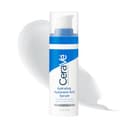
CeraVe Hyaluronic Acid Serum (B5 + Ceramides)

CeraVe Hyaluronic Acid Serum (B5 + Ceramides)

The best-rounded hyaluronic acid serum here because it isn't only HA — ceramides and vitamin B5 mean it hydrates and helps the barrier hold that water in. Fragrance-free.

Best overall
$17.28 · View on Amazon

$22.9925% off

Price as of July 17, 2026. #ad How we’re funded

2
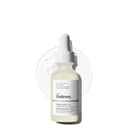
The Ordinary Hyaluronic Acid 2% + B5

The Ordinary Hyaluronic Acid 2% + B5

The value benchmark: a stated 2% multi-weight hyaluronic acid with B5 for a few dollars. Do apply it to damp skin and seal with moisturizer, or in a dry climate HA can pull water the wrong way.

Best budget
$9.90 · View on Amazon

Price as of July 17, 2026. #ad How we’re funded

3
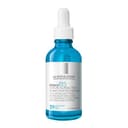
La Roche-Posay Hyalu B5 Hyaluronic Acid Serum

La Roche-Posay Hyalu B5 Hyaluronic Acid Serum

The plush option — two hyaluronic acid weights with vitamin B5 and madecassoside, a soothing centella extract. It's what you buy when comfort and finish matter as much as the HA itself.

Best for sensitive skin
$39.99 · View on Amazon

Price as of July 17, 2026. #ad How we’re funded

The picks in full

#1Best overall

CeraVe Hyaluronic Acid Serum (B5 + Ceramides)

The best-rounded hyaluronic acid serum here because it isn't only HA — ceramides and vitamin B5 mean it hydrates and helps the barrier hold that water in. Fragrance-free.

Strengths

  • Ceramides + vitamin B5 alongside the hyaluronic acid
  • Fragrance-free and non-sticky
  • Layers well under any moisturizer

Trade-offs

  • Slightly pricier than the pure-HA budget option
  • Multiple HA weights but exact percentages not published
Key activeHyaluronic acid + ceramides
Stated concentrationNot published
FormatLight gel-serum
Fragrance-freeYes
Best forDry, Normal, Sensitive

Formulation note. Hyaluronic acid + 3 essential ceramides + vitamin B5. HA draws water in; the ceramides help stop it evaporating — which is why HA works better with them than alone.

Ingredients and claims read from the product listing, on July 17, 2026. “Not published” means the brand does not state that figure.

#2Best budget

The Ordinary Hyaluronic Acid 2% + B5

The value benchmark: a stated 2% multi-weight hyaluronic acid with B5 for a few dollars. Do apply it to damp skin and seal with moisturizer, or in a dry climate HA can pull water the wrong way.

Strengths

  • Stated 2% HA across multiple molecular weights
  • Very inexpensive
  • Now includes ceramides in the reformulated version

Trade-offs

  • Can feel tacky if over-applied
  • In very dry air, apply to damp skin and seal — or it can be drying
Key activeHyaluronic acid
Stated concentration2%
FormatSlightly tacky gel
Fragrance-freeYes
Best forNormal, Dry, Combination

Formulation note. 2% hyaluronic acid at low, medium and high molecular weights, plus B5 and ceramides. HA is a humectant — it needs water to grab, so apply damp and seal.

Ingredients and claims read from the product listing, on July 17, 2026. “Not published” means the brand does not state that figure.

#3Best for sensitive skin

La Roche-Posay Hyalu B5 Hyaluronic Acid Serum

The plush option — two hyaluronic acid weights with vitamin B5 and madecassoside, a soothing centella extract. It's what you buy when comfort and finish matter as much as the HA itself.

Strengths

  • Two HA weights + vitamin B5 + madecassoside for soothing
  • Cushioned, elegant texture
  • Formulated for sensitive skin

Trade-offs

  • Several times the price of budget HA serums
  • The extra ingredients, not the HA, justify the cost
Key activeHyaluronic acid + madecassoside
Stated concentrationNot published
FormatCushiony serum
Fragrance-freeNo
Best forDry, Sensitive, Mature

Formulation note. Hyaluronic acid (two weights) + vitamin B5 + madecassoside. The soothing centella derivative is the differentiator; the HA content itself isn't uniquely high.

Ingredients and claims read from the product listing, on July 17, 2026. “Not published” means the brand does not state that figure.

How to use hyaluronic acid well

The single most important habit is applying it to slightly damp skin. Because hyaluronic acid is a humectant, it needs water nearby to draw in; on a bone-dry face in a dry room it can end up pulling moisture from deeper down instead, which is why some people find a plain HA serum oddly drying. Press it on within a few seconds of cleansing, or after a light mist while your skin is still damp, and it has something to work with.

The second habit is sealing it in. A humectant grabs water, but something has to stop that water evaporating — that is the job of a moisturizer layered on top, ideally one with occlusives or emollients. This is also why ceramides matteralongside hyaluronic acid. Ceramides are part of the skin’s own barrier, the mortar that holds surface cells together and slows water loss. A serum that combines HA with ceramides hydrates and helps hold that hydration in the same step, which is why we rate those formulas above pure-HA options for most people.

Which HA serum for which skin

For most people, a ceramide-supported serum is the safe default. Oily and combination skin can often wear a lightweight HA serum on its own under a light gel, while dry and sensitive skin benefits most from the barrier support — and from soothing extras where the formula includes them. Whatever you choose, a hyaluronic acid serum is a hydration step, not a substitute for a moisturizer; think of the two as a pair, not a choice. If your skin is dry rather than just dehydrated, our dry-skin moisturizer picks are the other half of the routine.

Frequently asked questions

Should I apply hyaluronic acid to wet or dry skin?

Damp skin is best. Hyaluronic acid is a humectant that pulls in nearby water, so apply it within a few seconds of cleansing or after a light mist, then seal it with a moisturizer. On very dry skin in dry air with nothing to grab, it can feel tight instead of hydrating.

Why does hyaluronic acid sometimes make skin feel drier?

In low humidity, hyaluronic acid can draw water up from deeper in the skin rather than from the air, and if that water then evaporates the surface feels tighter. Applying it to damp skin and locking it in with a moisturizer prevents this.

Do I still need a moisturizer if I use a hyaluronic acid serum?

Yes. A hyaluronic acid serum adds water but does little to keep it there. A moisturizer with occlusives, emollients or ceramides seals that hydration in, so the two work as a pair rather than one replacing the other.

Why do ceramides matter in a hyaluronic acid serum?

Ceramides are part of the skin's own barrier that slows water loss. Pairing them with hyaluronic acid means a serum both draws water in and helps hold it there, which is why ceramide-supported formulas tend to outperform pure hyaluronic acid for lasting hydration.

Sources

Keep reading