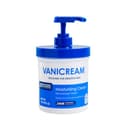
How to choose a moisturizer for dry skin
A good dry-skin cream works through three kinds of ingredient, and the best ones use all three. Humectants like glycerin and hyaluronic acid draw water into the outer skin. Emollients soften and smooth the rough, flaky surface. Occlusives— the heavier oils and butters — form a seal on top so the water humectants pulled in doesn’t evaporate away. A thin lotion often skimps on that last job, which is exactly why it feels like it “stops working” an hour later on truly dry skin.
Why ceramides matter
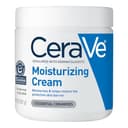
Ceramides are the lipids your skin’s own barrier is built from, arranged between skin cells like mortar between bricks. When that mortar runs low, water leaks out and irritants get in — the state most dry, flaky skin is actually in. A cream that puts ceramides back does more than sit on the surface; it helps rebuild the barrier so skin holds its own water better over time. That is the difference between a moisturizer that only masks dryness and one that slowly improves it.
Apply it to damp skin
Timing matters as much as the formula. Dermatologists suggest moisturizing within a few minutes of washing, while skin is still slightly damp, so the cream traps the water sitting on the surface instead of letting it flash off. Pat skin with a towel rather than rubbing it dry, then smooth the cream on. For very dry hands or feet, sealing overnight under cotton gloves or socks pushes it further. If a fragranced cream stings or itches, switch to a fragrance-free one — fragrance is the most common trigger for reactive, dry skin. If your skin is reactive as well as dry, our moisturizers for sensitive skin ranks the same category on published exclusion lists rather than lipid content, and fragrance-free vs unscented explains why the front of the bottle is not the claim to trust. If the dryness comes with itch and flares, skincare for eczema-prone skin is built around the published guidance for exactly that.