By Concern
Start from the problem: acne, aging, sensitivity or rosacea. The actives that help, the ones that don't, and a simple routine for each.
Most people don’t wake up wanting “a niacinamide serum” — they want the breakouts to stop, the redness to calm down, or the fine lines to soften. This hub starts from the concern and works back to the ingredients that have actual evidence behind them, so you are not buying an active on faith. For each concern we cover what genuinely helps, what to skip, and a short routine that puts the right products in the right order.
The honest through-line: a few well-chosen actives beat a crowded shelf.Acne responds to a small set of ingredients — benzoyl peroxide, salicylic acid, azelaic acid, retinoids — not to using all of them at once. Aging skin is carried by retinol, vitamin C and, above all, daily sun protection. Sensitive skin improves fastest when you remove triggers rather than add products. We point you to the specific roundups and routines that solve each concern, and we tell you where a cheaper option does the same job.
Everything in By Concern
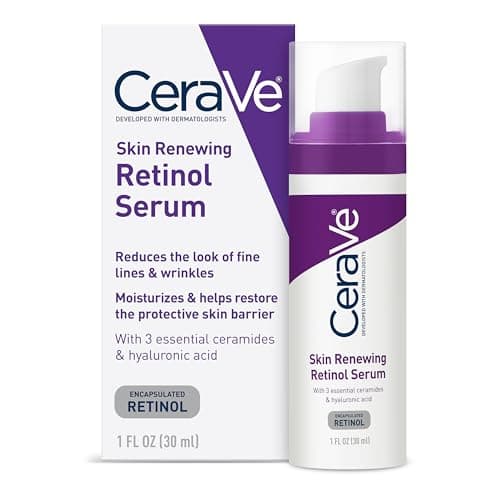
Best Skincare for Aging Skin
The five products that carry the evidence for aging skin — retinol, vitamin C, SPF and the support around them.
Our top pick
CeraVe Skin Renewing Retinol Serum
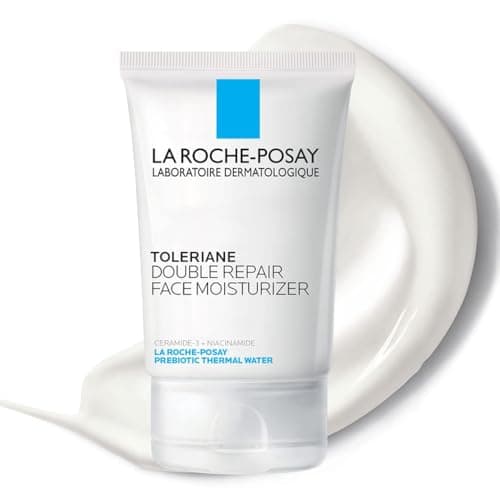
Best Skincare for Sensitive Skin
A short, fragrance-free routine built to calm rather than provoke — and the actives to reintroduce carefully.
Our top pick
La Roche-Posay Toleriane Double Repair Face Moisturizer
$24.99 · View on AmazonPrice as of October 20, 2026. #ad How we’re funded
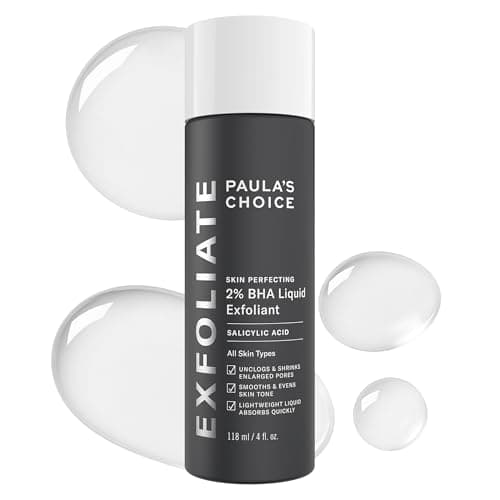
Best Skincare for Acne-Prone Skin
The ingredients with real acne evidence — BHA, benzoyl peroxide, azelaic acid — and how to use them without wrecking your barrier.
Our top pick
Paula's Choice Skin Perfecting 2% BHA Liquid Exfoliant
$37.00 · View on AmazonPrice as of October 20, 2026. #ad How we’re funded
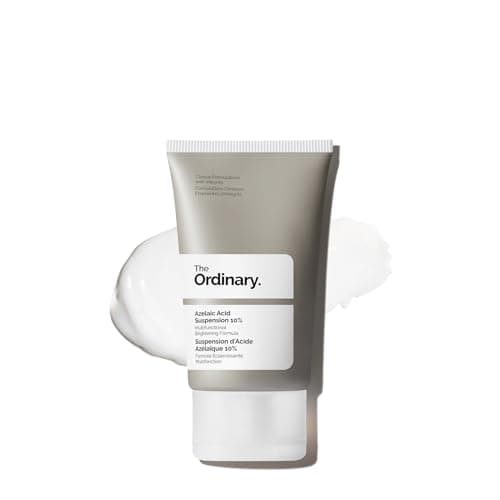
Best Skincare for Rosacea
A gentle, redness-calming routine for rosacea-prone skin — azelaic acid, mineral SPF and fragrance-free basics, plus the triggers to avoid.
Our top pick
The Ordinary Azelaic Acid Suspension 10%
$12.20 · View on AmazonPrice as of October 20, 2026. #ad How we’re funded
Best Skincare for Combination Skin
A balanced routine for an oily T-zone and drier cheeks — one gentle base plus targeted extras, with picks by role.
Our top pick
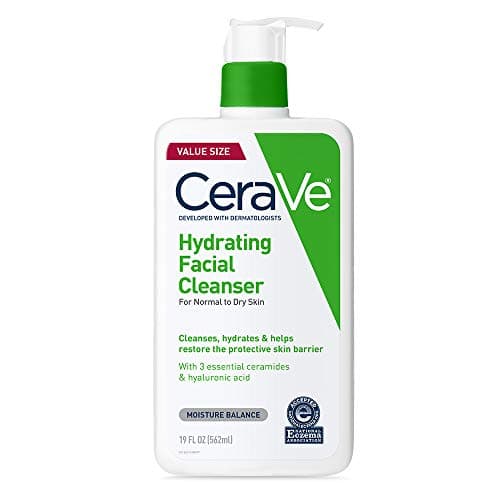
CeraVe Hydrating Facial Cleanser
$16.97 · View on AmazonPrice as of October 20, 2026. #ad How we’re funded
Best Skincare for Dark Spots
The actives with real evidence for fading hyperpigmentation — vitamin C, azelaic acid, niacinamide and exfoliants — plus the SPF that makes them work.
Our top pick
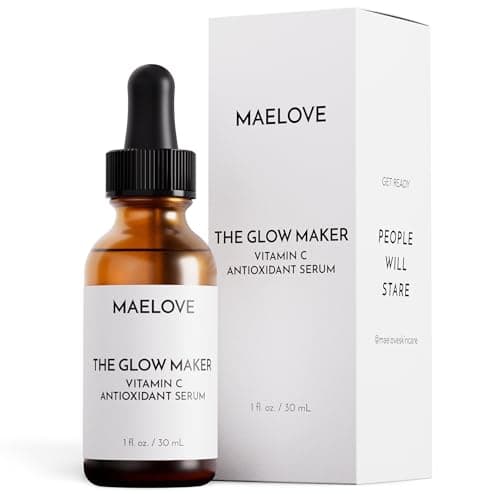
Maelove Glow Maker Vitamin C Serum
$39.90 · View on AmazonPrice as of October 20, 2026. #ad How we’re funded
Best Skincare for Large Pores
You can't shrink pores permanently, but you can make them look far smaller — niacinamide, a BHA, retinol and exfoliants, picked by role.
Our top pick
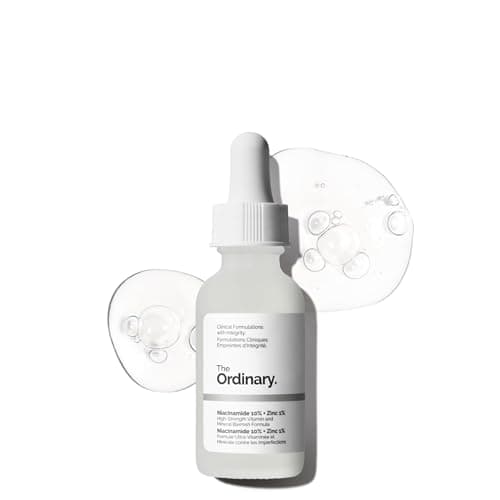
The Ordinary Niacinamide 10% + Zinc 1%
$6.00 · View on AmazonPrice as of October 20, 2026. #ad How we’re funded
Best Skincare for Oily Skin
A complete routine for shine-prone skin — a gel cleanser, niacinamide, a BHA, a light moisturizer and oil-free SPF, picked by role.
Our top pick
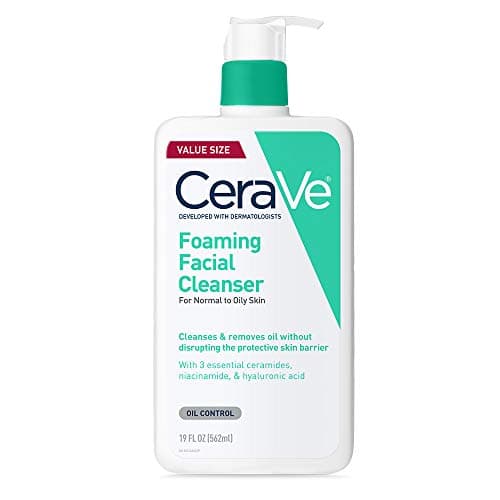
CeraVe Foaming Facial Cleanser
$16.97 · View on AmazonPrice as of October 20, 2026. #ad How we’re funded
Pregnancy-Safe Skincare
What the AAD says to drop, what published reviews call preferred, and a six-product routine built only from what is left — plus why “pregnancy-safe” is a marketing phrase, not a regulated one.
Our top pick
The Ordinary Azelaic Acid Suspension 10%
$12.20 · View on AmazonPrice as of October 20, 2026. #ad How we’re funded
Best Skincare for Dry Skin
A complete routine for dry and dehydrated skin — a non-stripping cleanser, a humectant serum, a rich ceramide cream, a barrier balm and a gentle SPF, picked by role.
Our top pick
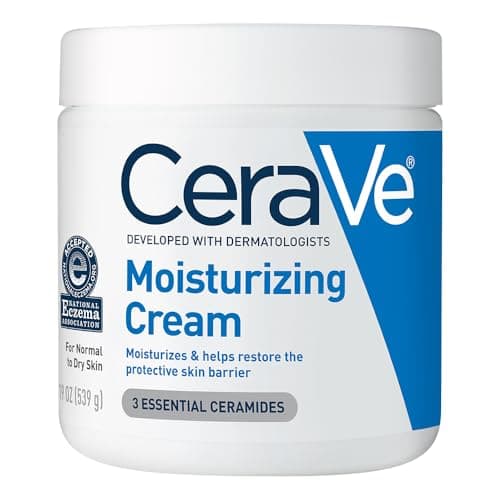
CeraVe Moisturizing Cream
$18.96 · View on AmazonPrice as of October 20, 2026. #ad How we’re funded
Best Skincare for Eczema-Prone Skin
A five-product routine built around published AAD guidance — fragrance-free, cream rather than lotion, applied to damp skin — plus what to drop during a flare.
Our top pick
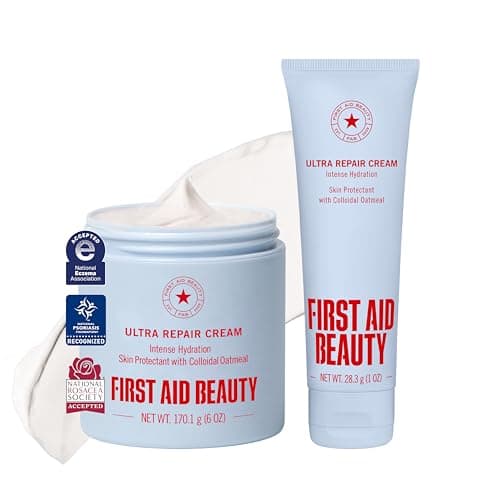
First Aid Beauty Ultra Repair Cream
The evidence-backed shortlist, by concern
Acne & breakouts
The ingredients with the strongest support are benzoyl peroxide (for inflammatory acne), salicylic acid (a BHA that clears pores), azelaic acid (good for bumps, redness and post-acne marks) and topical retinoids. The 2024 American Academy of Dermatology acne guidelines lean on exactly these. The trap is over-treating: stacking several drying actives wrecks the barrier and makes skin worse, so introduce one, buffer it with moisturizer, and give it time.
Aging skin, lines & tone
The only topical with randomized-trial evidence for photoaging is the retinoid family — prescription tretinoin and over-the-counter retinol. A morning vitamin C adds antioxidant protection and helps with tone, and a daily broad-spectrum sunscreen prevents more damage than any serum can reverse. That trio — retinol, vitamin C, SPF — is the whole game; most “anti-aging” extras are optional.
Sensitive & reactive skin
Here the winning move is subtraction: a short, fragrance-free routine of a gentle cleanser, a barrier-repair moisturizer and a mineral or gentle sunscreen. Once the barrier is calm, actives can be reintroduced slowly, one at a time, at the lowest strength — azelaic acid and niacinamide are usually the best-tolerated places to start.
Rosacea & redness
Rosacea overlaps with sensitive skin but has its own playbook. Sun is the top trigger, so a daily mineral sunscreen does the heavy lifting, backed by a gentle cleanser, a barrier moisturizer and strict avoidance of fragrance, menthol and scrubs. The one active worth adding is azelaic acid, which has real evidence for calming redness and bumps. Our best skincare for rosacea guide lays out the five-piece routine and the triggers to manage.
Frequently asked questions
What actually works for acne?
Benzoyl peroxide, salicylic acid, azelaic acid and topical retinoids have the best evidence. Most people do better choosing one or two and using them consistently than piling on every acne product at once, which strips the barrier.
What's the most effective anti-aging skincare?
A retinoid (retinol or prescription tretinoin), a morning vitamin C, and daily broad-spectrum sunscreen. Sun protection prevents more visible aging than any product reverses, so it's the non-negotiable of the three.
What should sensitive skin avoid?
Added fragrance, high-strength acids and stacking multiple new actives at once. A short fragrance-free routine that calms the barrier first, then reintroduces one gentle active at a time, works better than an elaborate one.
What helps rosacea redness?
A gentle, fragrance-free routine plus daily mineral sunscreen (sun is the top trigger), and azelaic acid as the one active with strong evidence for calming redness and bumps. Avoid alcohol, menthol, fragrance and scrubs, and see a dermatologist for persistent redness, visible vessels or eye symptoms.
Sources
- American Academy of Dermatology — Acne: Diagnosis and treatment — AAD overview of benzoyl peroxide, retinoids, salicylic and azelaic acid for acne (accessed July 17, 2026)
- Guidelines of care for the management of acne vulgaris (PubMed) — 2024 AAD acne guideline of care (accessed July 17, 2026)
- The use of retinoids in the treatment of photoaging (PubMed) — Clinical-trial evidence for topical retinoids in photoaging (accessed July 17, 2026)
- American Academy of Dermatology — Retinoid or retinol? — AAD on the difference between prescription retinoids and OTC retinol (accessed July 17, 2026)