Serums & Treatments
The leave-on actives that do the heavy lifting — retinol, vitamin C, niacinamide and hyaluronic acid — compared on formulation, not hype.
Serums are where the active ingredients live — the concentrated, leave-on step that actually changes the skin over time. A moisturizer keeps you comfortable today; a well-chosen serum is what fades a dark spot, softens a fine line or calms breakouts over the weeks that follow. That also makes serums the step most worth getting right, and the one where marketing does the most damage.
We compare serums on the things that decide whether they work: the stated concentration (and whether the brand states one at all), the base and supporting ingredients that decide how gentle it is, and the form of the active— a pure L-ascorbic acid vitamin C is a different proposition from a gentle derivative. Price rarely tracks quality here: some of the best-formulated serums cost a few dollars, and some of the most expensive hide their concentration entirely. Each roundup leads with a quick-pick table so the answer is on the first screen, then explains the reasoning product by product.
Everything in Serums
Best Retinol Serums
Five retinols compared on stated strength, base and buffering — and which ones won't tell you the concentration.
Our top pick
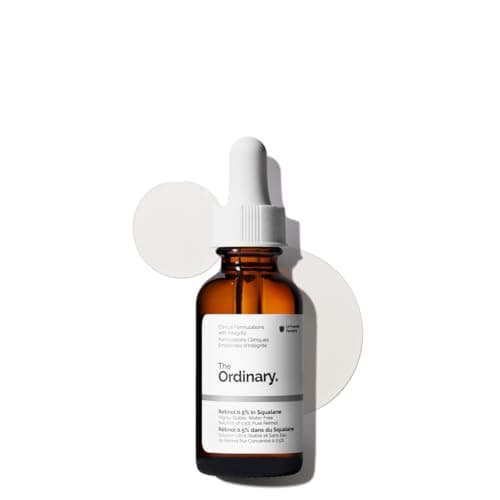
The Ordinary Retinol 0.5% in Squalane
$9.30 · View on AmazonPrice as of October 20, 2026. #ad How we’re funded
Best Retinol Creams
Retinol in a moisturizer base for skin that finds serums drying — ranked on which brands publish a strength and which don't.
Our top pick
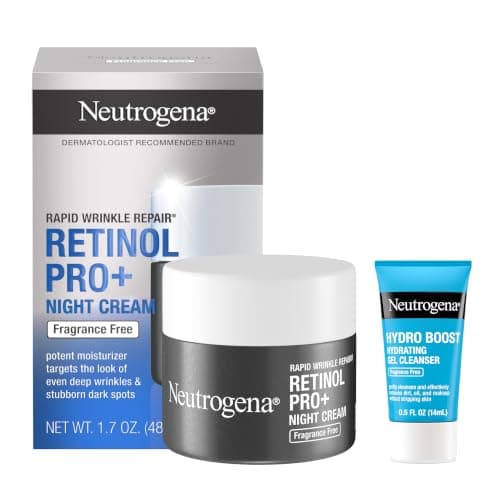
Neutrogena Rapid Wrinkle Repair Retinol Pro+ 0.3% Night Cream
$30.55 · View on AmazonPrice as of October 20, 2026. #ad How we’re funded
Best Vitamin C Serums
The L-ascorbic acid picks with real antioxidant evidence, plus gentler derivatives for sensitive skin.
Our top pick
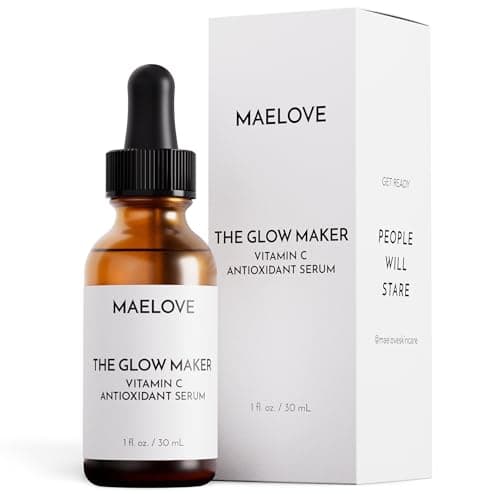
Maelove Glow Maker Vitamin C Serum
$39.90 · View on AmazonPrice as of October 20, 2026. #ad How we’re funded
Best Niacinamide Serums
Compared on concentration — and an honest note on why the highest number isn't the best buy.
Our top pick
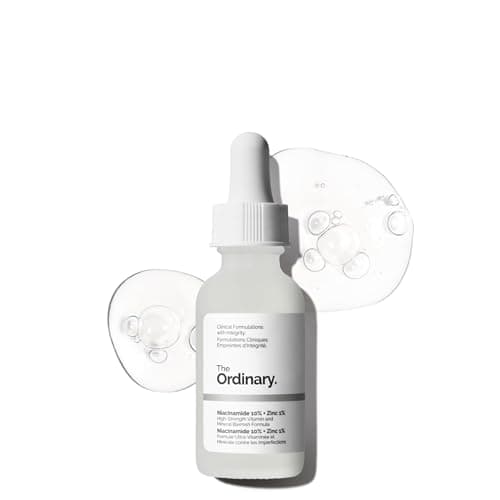
The Ordinary Niacinamide 10% + Zinc 1%
$6.00 · View on AmazonPrice as of October 20, 2026. #ad How we’re funded
Best Hyaluronic Acid Serums
Which hydrating serums pair HA with the ceramides that make it actually hold water.
Our top pick
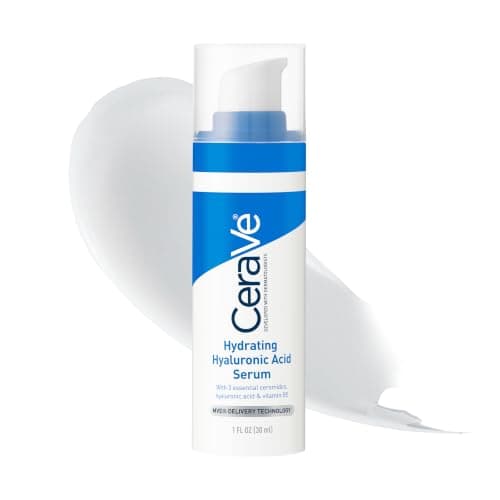
CeraVe Hyaluronic Acid Serum (B5 + Ceramides)
Best Chemical Exfoliants
AHAs and a BHA compared by acid type — which one matches your skin, from gentle mandelic to a leave-on salicylic for congestion.
Our top pick
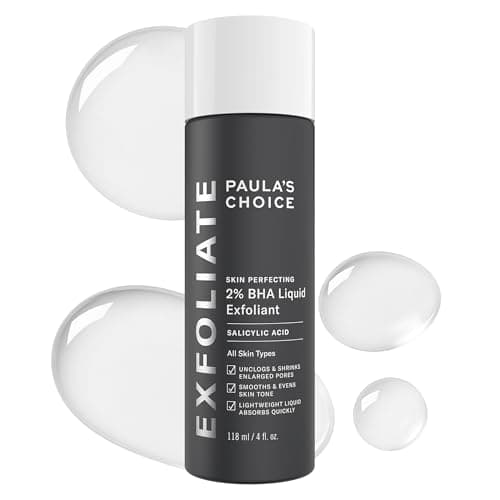
Paula's Choice Skin Perfecting 2% BHA Liquid Exfoliant
$37.00 · View on AmazonPrice as of October 20, 2026. #ad How we’re funded
Best Exfoliants for Sensitive Skin
The gentlest way to exfoliate reactive skin — large-molecule mandelic acid, hydrating lactic, azelaic for redness, and a rinse-off BHA.
Our top pick
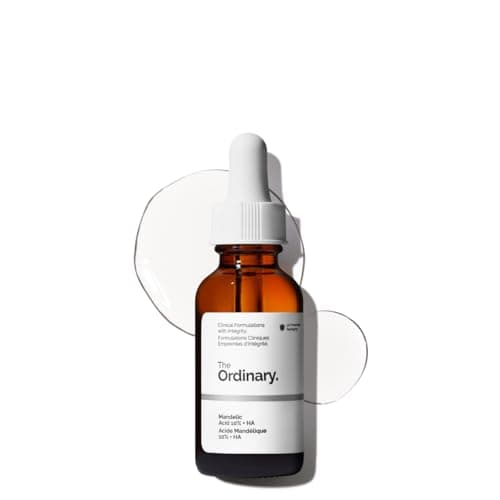
The Ordinary Mandelic Acid 10% + HA
$7.80 · View on AmazonPrice as of October 20, 2026. #ad How we’re funded
Best Benzoyl Peroxide Products
Washes and leave-on treatments for acne compared on strength and format — and why the 10% usually isn't the best buy.
Our top pick
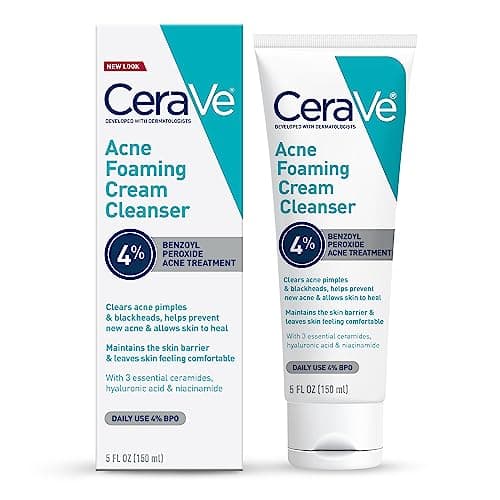
CeraVe Acne Foaming Cream Cleanser (4% Benzoyl Peroxide)
Best Azelaic Acid Products
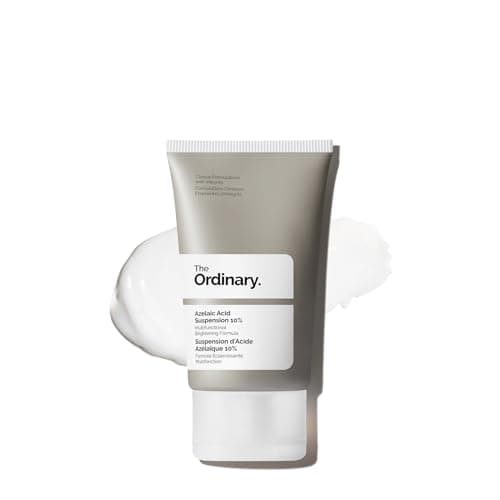
The over-the-counter 10% azelaic acids for redness, rosacea and dark marks — compared on free acid vs derivative, formulation and feel.
Our top pick
The Ordinary Azelaic Acid Suspension 10%
$12.20 · View on AmazonPrice as of October 20, 2026. #ad How we’re funded
Best Peptide Serums
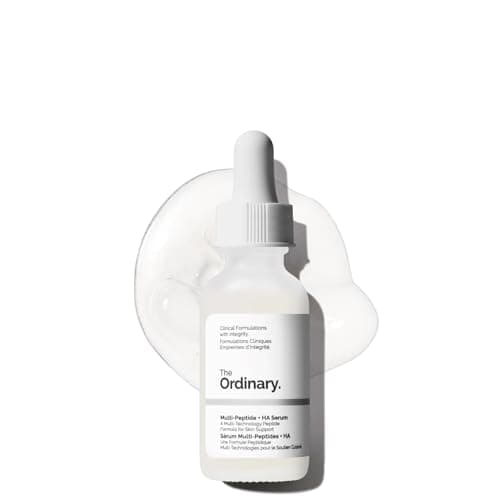
Only one peptide serum on the shelf states a percentage — the gentlest anti-aging active, ranked on what each brand actually discloses.
Our top pick
The Ordinary Multi-Peptide + HA Serum
Best Glycolic Acid Toners
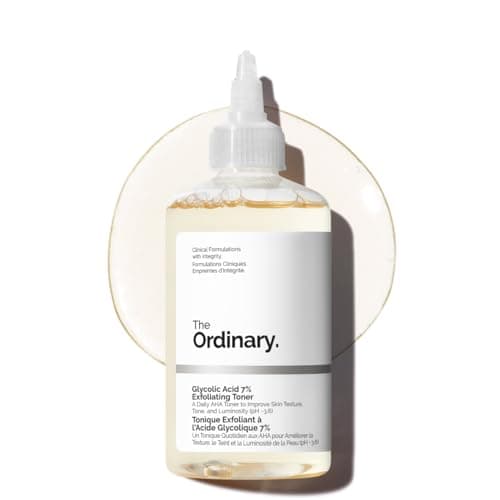
Two brands publish a pH, three don't — glycolic toners from 3.5% to 10% compared on the two numbers that decide whether an acid works.
Our top pick
The Ordinary Glycolic Acid 7% Exfoliating Toner
$13.50 · View on AmazonPrice as of October 20, 2026. #ad How we’re funded
Best Retinol for Beginners
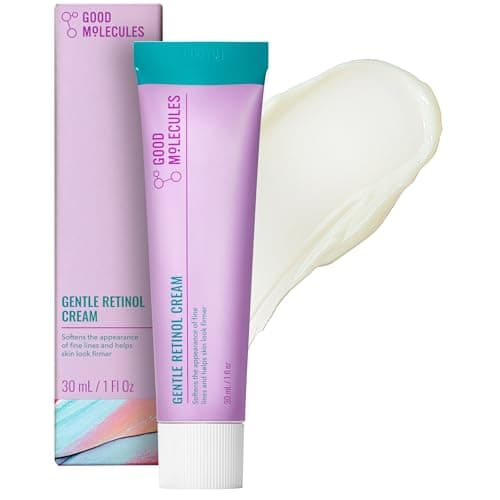
Only two starter retinols state a strength — five low and buffered formulas, plus the twelve-week ramp that stops people quitting in week two.
Our top pick
Good Molecules Gentle Retinol Cream
$7.97 · View on AmazonPrice as of October 20, 2026. #ad How we’re funded
How to choose a serum without overspending
Match the active to the goal, not the price tag. For lines and long-term aging, a retinol earns its place first. For dullness and uneven tone, a vitamin C in the morning. For oiliness, redness and enlarged pores, niacinamide. For plain dehydration, a hyaluronic acid serum layered on damp skin. You do not need one of each — pick the one that targets your main concern and add others only if a second concern is genuinely bothering you.
What decides the price
Three things move a serum’s price, and only one of them is about results: the form and stability of the active (a stabilized L-ascorbic acid complex costs more than a derivative), the supporting formula (soothing extras, elegant textures, airless packaging), and the brand. A drugstore retinol and a prestige one can contain a similar strength; you are often paying for finish and feel, which are real but optional. We flag when the cheaper option does the same job.
The mistake buyers make
Buying on the headline number. A “23%” vitamin C or a “12%” niacinamide sounds stronger, but past the studied range the extra percentage usually buys irritation, not benefit — and an irritated barrier undoes the results you were chasing. Start at a sensible strength, let your skin adjust, and step up only if you have a reason to.
Frequently asked questions
Do I need more than one serum?
Usually not at first. One serum targeting your main concern, used consistently, beats three used haphazardly. Add a second only when a separate concern is clearly bothering you and your skin is tolerating the first.
When do I apply a serum in my routine?
After cleansing and before moisturizer, on clean skin. Water-light serums go on before thicker ones. Vitamin C and other antioxidants suit the morning; retinol and exfoliating treatments suit the night.
Are expensive serums better?
Not reliably. Price reflects the form of the active, the supporting formula, packaging and brand — not just efficacy. Several of our top picks are inexpensive because they state their concentration and use a well-studied active.
Sources
- Vitamin C in dermatology (PMC) — Telang — review of topical vitamin C forms, stability and photoprotection (accessed July 17, 2026)
- Human Skin Aging and the Anti-Aging Properties of Retinol (PubMed) — Review of topical retinol's effect on collagen and photoaging (accessed July 17, 2026)
- Mechanistic Basis and Clinical Evidence for Nicotinamide (Niacinamide) in Skin (PMC) — Review of niacinamide's barrier, ceramide and pigmentation effects (accessed July 17, 2026)