Cleanse, Moisturize, Protect
The three steps that do 80% of the work — cleanser, moisturizer and SPF — with picks by skin type.
If serums are the upgrade, the essentials are the foundation — and they do roughly 80% of the work. A cleanser that suits your skin, a moisturizer that repairs the barrier, and a sunscreen you will actually wear every day will keep most skin healthy on their own. Get these three wrong and no serum will save the routine; get them right and everything you layer on top works better.
The deciding factor here is skin type, not budget. Oily skin wants a gel or foaming cleanser and a light lotion or gel moisturizer; dry skin wants a non-stripping cream cleanser and a rich ceramide cream; sensitive skin wants fragrance-free everything. Sunscreen is where personal fit matters most — the best SPF is the one whose texture and finish you tolerate enough to reapply, which is why we compare cast, feel and filter type rather than just the SPF number. Each roundup below is sorted by who it is for.
Everything in Essentials
Best Moisturizers for Dry Skin
Ceramide and occlusive-rich creams compared for genuinely dry and dehydrated skin.
Our top pick
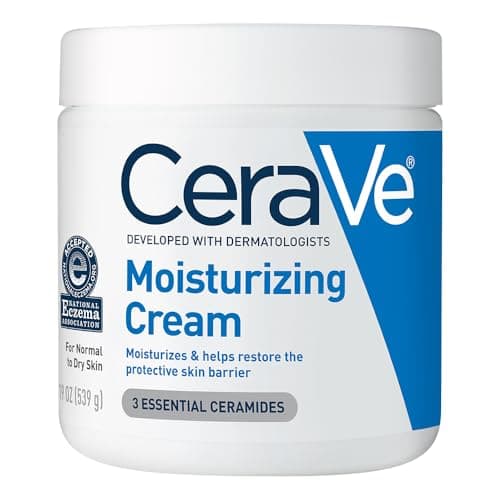
CeraVe Moisturizing Cream
$18.96 · View on AmazonPrice as of October 20, 2026. #ad How we’re funded
Best Moisturizers for Oily Skin
Oil-free gels and lightweight lotions that hydrate without adding shine — with picks for combination, acne-prone and sensitive-oily skin.
Our top pick
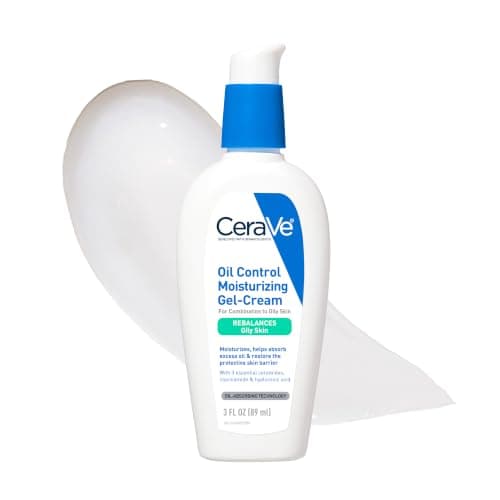
CeraVe Oil Control Moisturizing Gel-Cream
Best Moisturizers for Acne-Prone Skin
Oil-free, non-comedogenic moisturizers that soothe benzoyl peroxide and adapalene dryness without clogging pores — with a daytime SPF 30 and a 19-ingredient pick for sensitive skin.
Our top pick
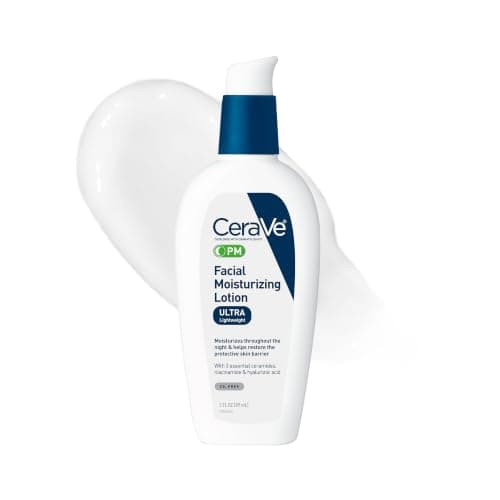
CeraVe PM Facial Moisturizing Lotion
Best Cleansers for Oily Skin
Cleansers that clear oil and SPF without the tight, over-stripped feeling — including the medicated options.
Our top pick
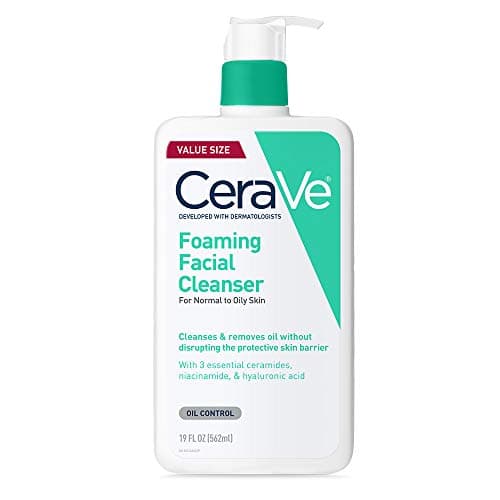
CeraVe Foaming Facial Cleanser
$16.97 · View on AmazonPrice as of October 20, 2026. #ad How we’re funded
Best Cleansers for Dry Skin
Non-stripping cream, lotion and gentle cream-to-foam cleansers that clean dry and sensitive skin without leaving it tight.
Our top pick
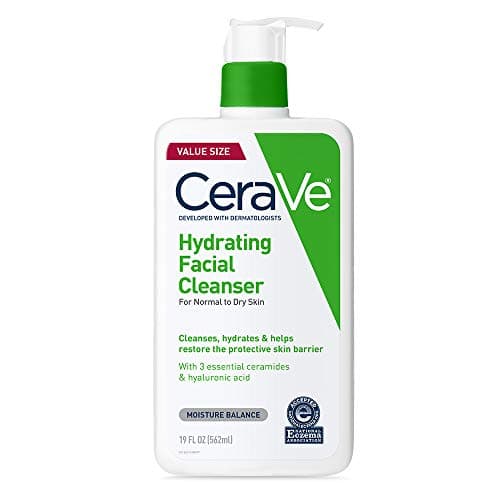
CeraVe Hydrating Facial Cleanser
$16.97 · View on AmazonPrice as of October 20, 2026. #ad How we’re funded
Best Sunscreen for Your Face
Daily facial SPF compared on filter type, finish and cast — with picks for sensitive skin and deeper tones.
Our top pick
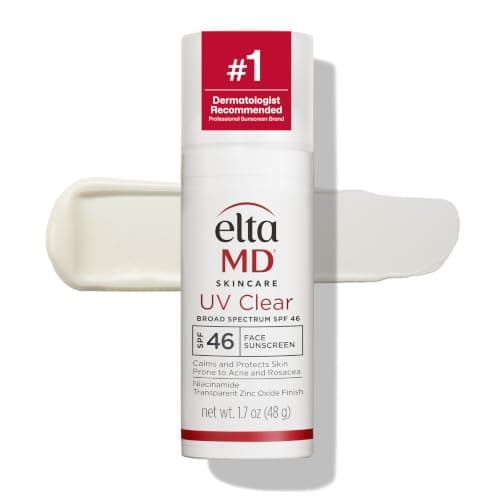
EltaMD UV Clear Broad-Spectrum SPF 46
$46.00 · View on AmazonPrice as of October 20, 2026. #ad How we’re funded
Best Skincare for Men
A short, effective men's routine built on the same actives that work for everyone — cleanser, moisturizer and SPF, plus retinol and vitamin C — without the 'men's' markup.
Our top pick
CeraVe Foaming Facial Cleanser
$16.97 · View on AmazonPrice as of October 20, 2026. #ad How we’re funded
Best Drugstore Skincare
A complete budget routine — cleanser, moisturizer, SPF and the core actives — proving great skincare is about ingredients, not price.
Our top pick
CeraVe Hydrating Facial Cleanser
$16.97 · View on AmazonPrice as of October 20, 2026. #ad How we’re funded
Best Skincare for Teens
A simple, affordable routine for teenage skin — gentle cleanser, oil-free moisturizer, SPF and honest acne help — without the viral 10-step kits.
Our top pick
CeraVe Foaming Facial Cleanser
$16.97 · View on AmazonPrice as of October 20, 2026. #ad How we’re funded
Best Eye Creams
Matched to the goal — retinol for fine lines, caffeine for puffiness, a barrier cream for dryness — with the honest truth about what no eye cream can fix.
Our top pick
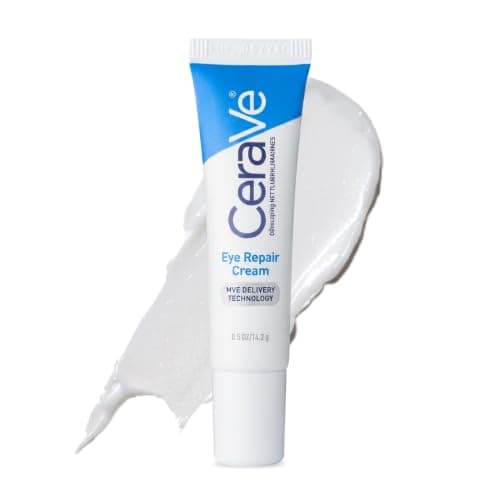
CeraVe Eye Repair Cream
Best Mineral Sunscreens
Zinc and titanium sunscreens for the face compared on filters, finish and the white-cast question — with picks for sensitive skin and deeper tones.
Our top pick
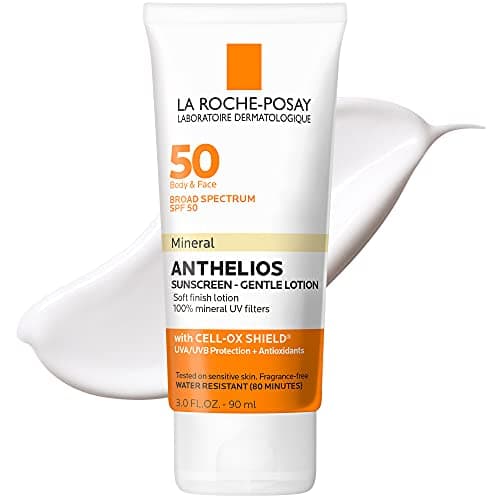
La Roche-Posay Anthelios Mineral SPF 50 Gentle Lotion
$25.97 · View on AmazonPrice as of October 20, 2026. #ad How we’re funded
Best Ceramide Moisturizers
Almost no brand says how many ceramides are in the jar — the barrier creams that disclose the most, compared on named lipids rather than marketing.
Our top pick
CeraVe Moisturizing Cream
$18.96 · View on AmazonPrice as of October 20, 2026. #ad How we’re funded
Best Salicylic Acid Cleansers
The one shelf where the strength is legally on the box — 2% acne washes and 0.5% gentle ones compared on stated percentage and what else is in the base.
Our top pick
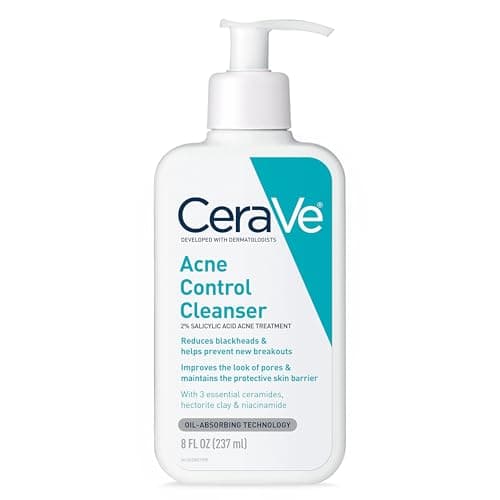
CeraVe Acne Control Cleanser (2% Salicylic Acid)
Best Skincare Brands
No brand is good at everything. Seven judged on stated concentrations, fragrance-free discipline, range depth and price per active — with each one's honest limit.
Our top pick
CeraVe Moisturizing Cream
$18.96 · View on AmazonPrice as of October 20, 2026. #ad How we’re funded
Best Sunscreen for Acne-Prone Skin
Oil-free, fragrance-free SPF that sits over benzoyl peroxide or adapalene without stinging or shining — and what “non-comedogenic” does not promise.
Our top pick
EltaMD UV Clear Broad-Spectrum SPF 46
$46.00 · View on AmazonPrice as of October 20, 2026. #ad How we’re funded
Best Sunscreen for Dark Skin Tones
Five sunscreens that disappear on medium-to-deep skin instead of leaving a grey cast — what causes the cast and which formats avoid it.
Our top pick
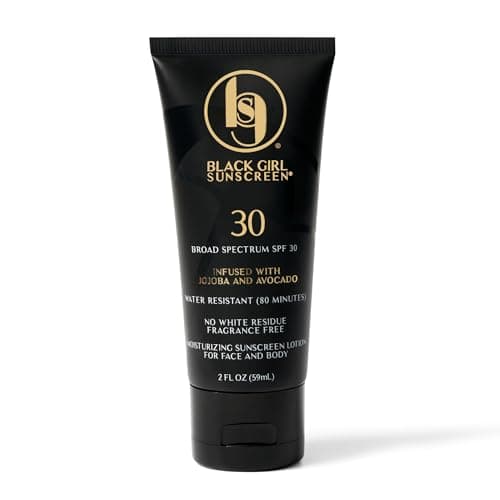
Black Girl Sunscreen Broad Spectrum SPF 30
$9.99 · View on AmazonPrice as of October 20, 2026. #ad How we’re funded
Best Moisturizers for Mature Skin
Barrier creams for skin that has got drier and thinner, judged on named lipids and stated percentages rather than anti-aging claims.
Our top pick
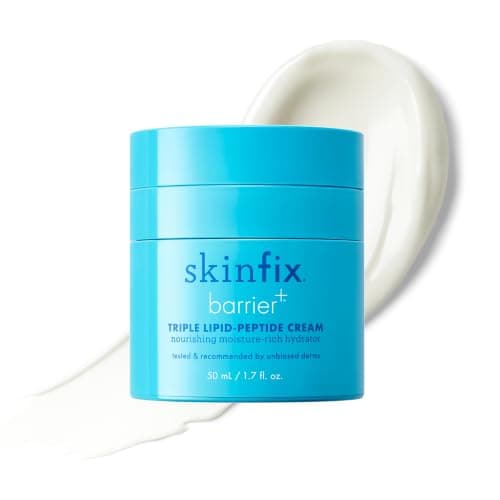
Skinfix Barrier+ Triple Lipid-Peptide Cream
$54.00 · View on AmazonPrice as of October 20, 2026. #ad How we’re funded
Best Cleansers for Combination Skin
An oily T-zone and dry cheeks need a cleanser that does not pick a side — five picks, plus the two-cleanser setup that costs less than one mid-price bottle.
Our top pick
CeraVe Foaming Facial Cleanser
$16.97 · View on AmazonPrice as of October 20, 2026. #ad How we’re funded
Best Moisturizers for Sensitive Skin
Judged on what is left OUT — fragrance, dyes, lanolin, essential oils — because on reactive skin the exclusion list decides more than the active list does.
Our top pick
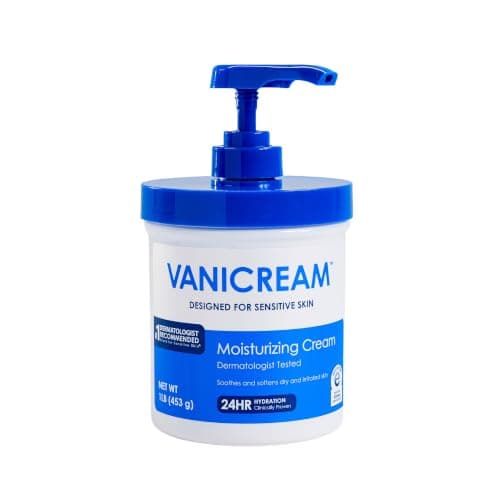
Vanicream Moisturizing Skin Cream
Best Eye Creams for Dark Circles
Under-eye darkness has three different causes and a cream can only reach two of them. Which to buy for pigment, which for vascular shadow, and when to stop shopping.
Our top pick
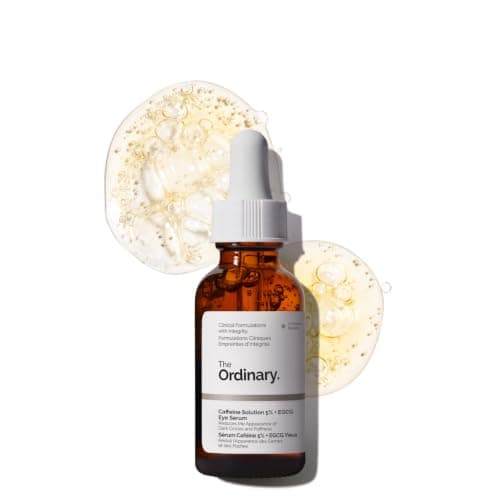
The Ordinary Caffeine Solution 5% + EGCG Eye Serum
$9.20 · View on AmazonPrice as of October 20, 2026. #ad How we’re funded
Best Tinted Sunscreens
Mineral SPF with the white cast engineered out — four tinted picks compared on their stated filter percentages, shade range and finish.
Our top pick
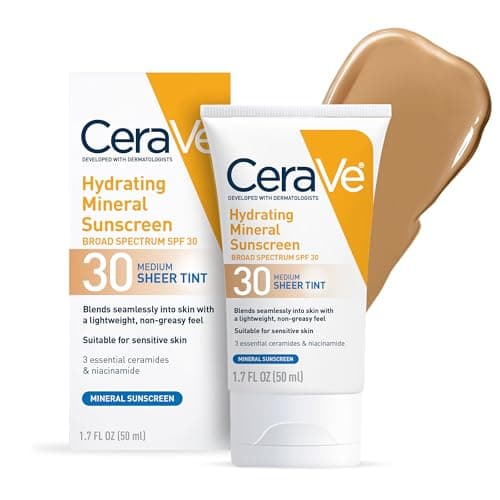
CeraVe Hydrating Mineral Sunscreen Sheer Tint SPF 30
Dermatologist-Recommended Skincare
What published dermatology guidance actually tells you to buy — the criteria, the seven products that meet them, and why the phrase on the box means nothing on its own.
Our top pick
EltaMD UV Clear Broad-Spectrum SPF 46
$46.00 · View on AmazonPrice as of October 20, 2026. #ad How we’re funded
Best Moisturizers for Combination Skin
Can one product hydrate dry cheeks without adding shine to an oily T-zone? Six picks judged on that question alone.
Our top pick
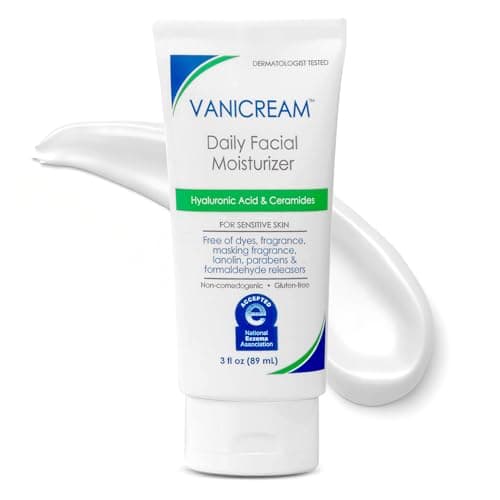
Vanicream Daily Facial Moisturizer
Best Face Wash for Acne
Seven medicated washes sorted by breakout type — benzoyl peroxide for inflamed spots, salicylic acid for blackheads — with every percentage read off the Drug Facts panel.
Our top pick
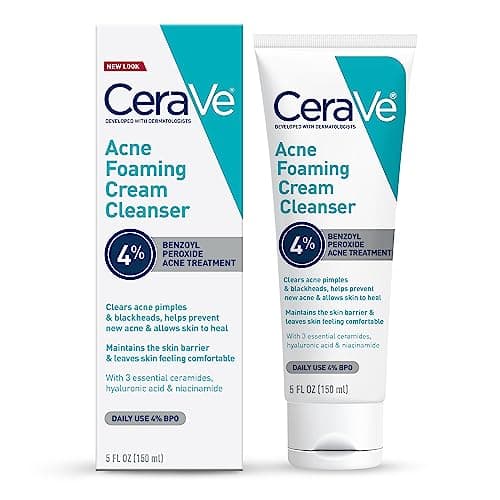
CeraVe Acne Foaming Cream Cleanser (4% Benzoyl Peroxide)
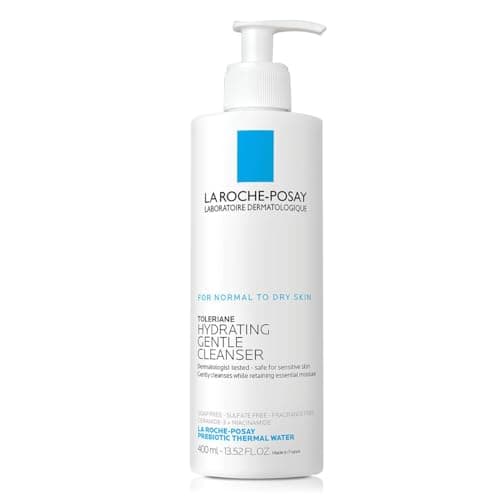
Best Cleansers for Sensitive Skin
Six low-foam, fragrance-free cleansers judged on surfactant mildness and whether any barrier ingredients survive the rinse.
Our top pick
La Roche-Posay Toleriane Hydrating Gentle Cleanser
$19.99 · View on AmazonPrice as of October 20, 2026. #ad How we’re funded
Getting the basics right
Cleanser: match it to your skin, not the marketing
The job of a cleanser is to remove oil, sunscreen and grime without stripping the barrier. If your face feels tight and squeaky afterwards, it is too harsh. Oily and combination skin generally do well with a gel-to-foam wash; dry and sensitive skin do better with a non-foaming cream or lotion cleanser that leaves ceramides behind. Medicated cleansers (salicylic acid, benzoyl peroxide) are useful helpers for congestion and breakouts, but their contact time is short — a leave-on treatment does the heavier lifting.
Moisturizer: this is where barrier repair happens
Even oily skin needs a moisturizer; skipping it often makes oiliness worse. Look for ceramides and humectants like glycerin or hyaluronic acid. Dry skin wants a richer cream with occlusives; oily skin wants a light lotion or water-gel. The best time to apply is on slightly damp skin, which the American Academy of Dermatology recommends to lock in water.
Sunscreen: the highest-value step, and the one people skimp on
A broad-spectrum SPF 30 or higher, used daily and generously, does more for long-term skin health than any serum. The FDA notes SPF 30 filters about 97% of UVB, and that the amount you apply matters as much as the number — most people use far too little. Mineral (zinc/titanium) filters suit reactive skin but can leave a cast; modern chemical filters are cast-free but a few can sting sensitive eyes. We flag both so you can choose for your skin.
Frequently asked questions
Does oily skin need a moisturizer?
Yes. Skipping moisturizer can prompt the skin to produce more oil, and it leaves the barrier under-supported. Oily skin just needs a lighter one — a gel or a thin lotion with ceramides rather than a heavy cream.
Is mineral sunscreen better than chemical?
Neither is universally better. Mineral (zinc oxide, titanium dioxide) suits reactive and rosacea-prone skin but can leave a white cast. Modern chemical filters are cosmetically lighter and cast-free. The best sunscreen is the one you will reapply.
How much sunscreen should I use on my face?
About a quarter to a third of a teaspoon for the face alone — roughly two finger-lengths. Most people apply far less, which is the most common reason a high SPF underperforms in real life.
Should a cleanser leave my skin feeling tight?
No. That tight, squeaky feeling means the cleanser stripped the barrier. A good cleanser leaves skin clean but comfortable — if yours doesn't, switch to a gentler cream or lotion formula.
Sources
- American Academy of Dermatology — Dermatologists' top tips for relieving dry skin — AAD on moisturizing damp skin and choosing a cream for dry skin (accessed July 17, 2026)
- U.S. FDA — Sunscreen: How to Help Protect Your Skin from the Sun — FDA on SPF numbers, broad-spectrum and application amount (accessed July 17, 2026)
- American Academy of Dermatology — How to decode a sunscreen label — AAD on SPF, broad spectrum and water resistance claims (accessed July 17, 2026)
- Moisturizers — StatPearls (NCBI Bookshelf) — Reference on humectants (hyaluronic acid), occlusives and emollients (accessed July 17, 2026)