#1Best overall
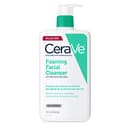
CeraVe Foaming Facial Cleanser
The reference gel-to-foam cleanser for oily skin: it removes oil and sunscreen without the tight, squeaky over-stripping cheap foaming washes cause, because ceramides and niacinamide are built in.
Strengths
- Cuts oil and SPF without leaving skin tight
- Ceramides + niacinamide keep the barrier intact
- Fragrance-free, big-bottle value
Trade-offs
- Too stripping for genuinely dry skin
- Foaming format can feel like 'not enough' to heavy-makeup wearers
| Key active | Gentle surfactants + ceramides + niacinamide |
|---|---|
| Stated concentration | Not published |
| Format | Gel-to-foam |
| Fragrance-free | Yes |
| Best for | Oily, Combination |
Formulation note. A gel that foams, with 3 ceramides + niacinamide + hyaluronic acid. The barrier ingredients are why it cleans oily skin without the tight after-feel.
Ingredients and claims read from the product listing, on July 17, 2026. “Not published” means the brand does not state that figure.