
#1Best overall
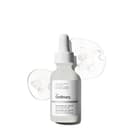
The Ordinary Niacinamide 10% + Zinc 1%
The default niacinamide serum for a reason — a stated 10% with zinc, for a couple of dollars. Worth knowing that 10% is above the 4-5% most studies use, so sensitive skin may prefer less.
Strengths
- Stated 10% niacinamide + 1% zinc for oil control
- Among the cheapest actives in skincare
- Fragrance-free, water-light texture
Trade-offs
- 10% is higher than the researched 4-5% and can pill or sting
- Zinc suspension can feel slightly draggy
| Key active | Niacinamide |
|---|---|
| Stated concentration | 10% |
| Format | Water-light serum |
| Fragrance-free | Yes |
| Best for | Oily, Combination, Blemish-prone |
Formulation note. 10% niacinamide + 1% zinc PCA. Most published benefit for redness and barrier appears around 4-5%; 10% is not 'stronger is better' and can irritate — an honest caveat on a genuinely useful, cheap serum.
Ingredients and claims read from the product listing, on September 29, 2026. “Not published” means the brand does not state that figure.