Barrier & Balm

Best Retinol Serums

Five retinol serums compared on stated strength, base and buffering — including which ones won't tell you the concentration at all.

By Stephen V.Last updated How we pick

Retinol is the most evidence-backed anti-aging active you can buy without a prescription — it nudges skin to build collagen and turn over faster, which softens fine lines and evens tone over months of consistent use. The catch is that “retinol serum” covers everything from a gentle beginner strength to a genuinely potent 1%, and most drugstore brands won’t tell you which you’re buying.

That is the lens we compare on: does the brand state the strength, what’s the base (an occlusive oil, a soothing ceramide cream, a niacinamide-buffered serum), and who each one actually suits. A stated 0.5% in a cushioning base is a better first bottle than an unnamed “retinol complex,” even when the mystery one sounds fancier. Start low, use it two or three nights a week, and always follow with moisturizer.

How this is funded:we earn a commission if you buy through our links, at no extra cost to you. It never changes which product we recommend, and we’ll tell you when we’d skip one. Full disclosure.

Quick picks

Ranked on formulation, stated concentration and buyer fit. Select a row to jump to the full write-up. We have not tested these products — here is exactly what we do instead.

#ProductBest forPrice
1
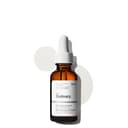
The Ordinary Retinol 0.5% in Squalane

The Ordinary Retinol 0.5% in Squalane

The clearest-labeled retinol you can buy: an exact 0.5% in a squalane base, at a price that makes 'start low and go slow' painless. This is where most people should begin.

Best overall
$9.30 · View on Amazon

Price as of July 17, 2026. #ad How we’re funded

2
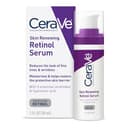
La Roche-Posay Pure Retinol Face Serum (B3 + HA)

La Roche-Posay Pure Retinol Face Serum (B3 + HA)

Pairs pure retinol with niacinamide and hyaluronic acid, so the buffering that reduces flaking is built into the formula rather than something you layer yourself. The gentlest 'serious' retinol here.

Best for sensitive skin
$44.99 · View on Amazon

Price as of July 17, 2026. #ad How we’re funded

3
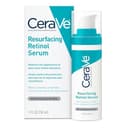
CeraVe Resurfacing Retinol Serum

CeraVe Resurfacing Retinol Serum

Encapsulated retinol with ceramides and licorice root, aimed squarely at post-acne marks rather than wrinkles. Gentle, barrier-friendly, and cheap — but the strength is unstated.

Best on a budget
$18.68 · View on Amazon

$21.9915% off

Price as of July 17, 2026. #ad How we’re funded

4
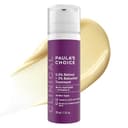
Paula's Choice CLINICAL 1% Retinol Treatment

Paula's Choice CLINICAL 1% Retinol Treatment

A stated 1% retinol with peptides and vitamin C for people who have already built tolerance and want to move up. Strength is on the label — the whole point of buying up from a starter.

Best high strength
$48.75 · View on Amazon

$65.0025% off

Price as of July 17, 2026. #ad How we’re funded

5
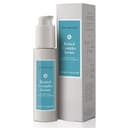
Naturium Retinol Complex Serum

Naturium Retinol Complex Serum

Blends encapsulated retinol with bakuchiol, a plant extract with retinol-adjacent research, to soften the ramp-up. A reasonable middle option — with an unstated retinol dose.

Best gentle on-ramp
$14.69 · View on Amazon

$20.9930% off

Price as of July 17, 2026. #ad How we’re funded

The picks in full

#1Best overall

The Ordinary Retinol 0.5% in Squalane

The clearest-labeled retinol you can buy: an exact 0.5% in a squalane base, at a price that makes 'start low and go slow' painless. This is where most people should begin.

Strengths

  • Publishes the exact strength — 0.5% — which almost no drugstore retinol does
  • Squalane base is occlusive and cushions irritation
  • Comes in 0.2% / 0.5% / 1% so you can step up deliberately

Trade-offs

  • Pure retinol in an anhydrous oil — no added soothing actives
  • Squalane finish can feel heavy over other oils
Key activeRetinol
Stated concentration0.5%
FormatLightweight oil serum
Fragrance-freeYes
Best forNormal, Dry, Not-too-sensitive

Formulation note. Retinol dispersed in squalane; no water phase, so no need for the pH and packaging fuss vitamin C needs. The strength is stated on the label, which is the exception, not the rule.

Ingredients and claims read from the product listing, on July 17, 2026. “Not published” means the brand does not state that figure.

#2Best for sensitive skin

La Roche-Posay Pure Retinol Face Serum (B3 + HA)

Pairs pure retinol with niacinamide and hyaluronic acid, so the buffering that reduces flaking is built into the formula rather than something you layer yourself. The gentlest 'serious' retinol here.

Strengths

  • Niacinamide + glycerin + HA buffer the retinol's dryness
  • Fragrance-free, from a brand built around reactive skin
  • Well-tolerated texture that layers cleanly under moisturizer

Trade-offs

  • Does NOT publish the retinol percentage — you're trusting the brand
  • Among the pricier options for an unstated strength
Key activeRetinol
Stated concentrationNot published
FormatSilky lotion-serum
Fragrance-freeYes
Best forSensitive, Dry, Normal

Formulation note. Retinol + niacinamide (vitamin B3) + hyaluronic acid. The support actives are the selling point; the retinol strength itself is not disclosed, which we flag rather than guess.

Ingredients and claims read from the product listing, on July 17, 2026. “Not published” means the brand does not state that figure.

#3Best on a budget

CeraVe Resurfacing Retinol Serum

Encapsulated retinol with ceramides and licorice root, aimed squarely at post-acne marks rather than wrinkles. Gentle, barrier-friendly, and cheap — but the strength is unstated.

Strengths

  • Ceramides + niacinamide support the barrier while the retinol works
  • Encapsulated delivery is gentler on reactive skin
  • One of the least expensive 'real' retinol serums

Trade-offs

  • Concentration is not published
  • Marketed for marks, not deep wrinkles — set expectations accordingly
Key activeEncapsulated retinol
Stated concentrationNot published
FormatFluid lotion-serum
Fragrance-freeYes
Best forAcne-prone, Normal, Sensitive

Formulation note. Encapsulated retinol + 3 essential ceramides + niacinamide + licorice root extract. The ceramide payload is the reason it stays tolerable; the retinol strength is not disclosed.

Ingredients and claims read from the product listing, on July 17, 2026. “Not published” means the brand does not state that figure.

#4Best high strength

Paula's Choice CLINICAL 1% Retinol Treatment

A stated 1% retinol with peptides and vitamin C for people who have already built tolerance and want to move up. Strength is on the label — the whole point of buying up from a starter.

Strengths

  • Publishes an exact 1% strength — genuinely high
  • Peptides and licorice extract round out the anti-aging angle
  • Air-restrictive tube keeps the retinol stable

Trade-offs

  • 1% will over-strip skin that hasn't built tolerance — not a beginner product
  • Premium price per milliliter
Key activeRetinol
Stated concentration1%
FormatLightweight lotion
Fragrance-freeYes
Best forNormal, Retinol-experienced

Formulation note. 1% retinol + peptides + vitamin C + licorice root. High strength, stated plainly — pair with a slow ramp and nightly moisturizer.

Ingredients and claims read from the product listing, on July 17, 2026. “Not published” means the brand does not state that figure.

#5Best gentle on-ramp

Naturium Retinol Complex Serum

Blends encapsulated retinol with bakuchiol, a plant extract with retinol-adjacent research, to soften the ramp-up. A reasonable middle option — with an unstated retinol dose.

Strengths

  • Bakuchiol pairing aims to reduce early irritation
  • Encapsulated retinols for a slower release
  • Inexpensive for the category

Trade-offs

  • Retinol percentage is not published
  • Bakuchiol's evidence base is smaller than retinol's — treat it as support, not a replacement
Key activeRetinol + bakuchiol
Stated concentrationNot published
FormatLightweight serum
Fragrance-freeYes
Best forNormal, Combination, Cautious beginners

Formulation note. Encapsulated retinols + bakuchiol. Bakuchiol has a few supportive studies but a fraction of retinol's evidence; we present it as an adjunct, not an equal.

Ingredients and claims read from the product listing, on July 17, 2026. “Not published” means the brand does not state that figure.

How to choose a retinol serum

Work backwards from your experience level. If you have never used a retinoid, begin at a stated low strength(0.2–0.5%) in a forgiving base and build tolerance before you chase a higher number. If your skin flakes easily, a formula that buffers the retinol with niacinamide and hyaluronic acid does the work of layering for you. Only step up to a stated 1% once nightly use is comfortable — more strength before you’re ready just means more irritation, not faster results.

Using it without the flaking

Apply a pea-sized amount to dry skin at night, two or three times a week to start, and moisturize on top. Expect a few weeks of adjustment; if you get raw or peeling, drop the frequency rather than quitting. Retinol makes skin more sun-sensitive, so daily sunscreen is not optional. And don’t stack it with an exfoliating acid or benzoyl peroxide the same night when you begin — see our layering conflict guide.

Frequently asked questions

What strength of retinol should a beginner start with?

A stated 0.2–0.5% in a cushioning base. Starting low lets your skin build tolerance and avoids the flaking and redness that make people quit. You can step up to higher strengths later once nightly use is comfortable.

Why don't most retinol serums list the percentage?

Brands aren't required to, and many prefer not to. When a label says only 'retinol complex' with no number, you're trusting the brand's judgment rather than a known dose — which is exactly why we flag stated strengths as a plus and 'Not published' as a real caveat.

How often should I use retinol?

Start two to three nights a week and increase gradually toward nightly as your skin adjusts. If you get persistent flaking or stinging, drop back a step. There's no prize for using it every night before your skin is ready.

Can I use retinol with vitamin C?

Yes — the simplest approach is vitamin C in the morning and retinol at night, so two potent actives aren't fighting on your skin at once. They don't need to be in the same routine to both work.

Sources

Keep reading