Barrier & Balm

Best Skincare for Aging Skin

The products that carry the evidence for aging skin — retinol, vitamin C, SPF and the support around them.

By Stephen V.Last updated How we pick

“Anti-aging” is the most oversold aisle in skincare, but the ingredients that actually hold up in research are few and mostly inexpensive. Retinol, vitamin C and sunscreen carry almost all of the evidence — the serums that promise more usually deliver less.

What follows is a curated routine rather than a single hero product: a retinol to use at night, a vitamin C and a sunscreen for the day, a barrier-supporting moisturizer, and niacinamide as a gentle all-rounder. We haven’t tested these in a lab — the picks come from published formulation facts and honest buyer-fit reasoning, and the day-to-day habit matters more than any one bottle.

How this is funded:we earn a commission if you buy through our links, at no extra cost to you. It never changes which product we recommend, and we’ll tell you when we’d skip one. Full disclosure.

Quick picks

Ranked on formulation, stated concentration and buyer fit. Select a row to jump to the full write-up. We have not tested these products — here is exactly what we do instead.

#ProductBest forPrice
1
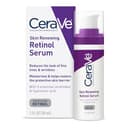
La Roche-Posay Pure Retinol Face Serum (B3 + HA)

La Roche-Posay Pure Retinol Face Serum (B3 + HA)

Pairs pure retinol with niacinamide and hyaluronic acid, so the buffering that reduces flaking is built into the formula rather than something you layer yourself. The gentlest 'serious' retinol here.

Best retinol
$44.99 · View on Amazon

Price as of July 18, 2026. #ad How we’re funded

2
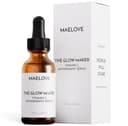
Maelove Glow Maker Vitamin C Serum

Maelove Glow Maker Vitamin C Serum

Uses the antioxidant trio that actually has evidence behind it — L-ascorbic acid with vitamin E and ferulic acid — at a fraction of the famous serum it echoes. The pick if you want the studied form.

Best vitamin C serum
$39.90 · View on Amazon

Price as of July 18, 2026. #ad How we’re funded

3
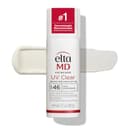
EltaMD UV Clear Broad-Spectrum SPF 46

EltaMD UV Clear Broad-Spectrum SPF 46

The facial sunscreen dermatologists reach for most, and it earns it: zinc-oxide-based SPF 46 with niacinamide, oil-free and fragrance-free, cosmetically elegant enough to actually wear daily.

Best daily sunscreen
$23.50 · View on Amazon

Price as of July 18, 2026. #ad How we’re funded

4
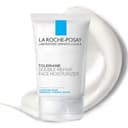
La Roche-Posay Toleriane Double Repair Face Moisturizer

La Roche-Posay Toleriane Double Repair Face Moisturizer

The best all-day face moisturizer for reactive skin here — ceramides and niacinamide in a texture light enough for daytime but repairing enough for a compromised barrier. Fragrance-free.

Best moisturizer
$24.99 · View on Amazon

Price as of July 18, 2026. #ad How we’re funded

5
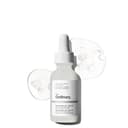
The Ordinary Niacinamide 10% + Zinc 1%

The Ordinary Niacinamide 10% + Zinc 1%

The default niacinamide serum for a reason — a stated 10% with zinc, for a couple of dollars. Worth knowing that 10% is above the 4-5% most studies use, so sensitive skin may prefer less.

Best support active
$11.88 · View on Amazon

$12.001% off

Price as of July 18, 2026. #ad How we’re funded

The picks in full

#1Best retinol

La Roche-Posay Pure Retinol Face Serum (B3 + HA)

Pairs pure retinol with niacinamide and hyaluronic acid, so the buffering that reduces flaking is built into the formula rather than something you layer yourself. The gentlest 'serious' retinol here.

Strengths

  • Niacinamide + glycerin + HA buffer the retinol's dryness
  • Fragrance-free, from a brand built around reactive skin
  • Well-tolerated texture that layers cleanly under moisturizer

Trade-offs

  • Does NOT publish the retinol percentage — you're trusting the brand
  • Among the pricier options for an unstated strength
Key activeRetinol
Stated concentrationNot published
FormatSilky lotion-serum
Fragrance-freeYes
Best forSensitive, Dry, Normal

Formulation note. Retinol + niacinamide (vitamin B3) + hyaluronic acid. The support actives are the selling point; the retinol strength itself is not disclosed, which we flag rather than guess.

Ingredients and claims read from the product listing, on July 17, 2026. “Not published” means the brand does not state that figure.

#2Best vitamin C serum

Maelove Glow Maker Vitamin C Serum

Uses the antioxidant trio that actually has evidence behind it — L-ascorbic acid with vitamin E and ferulic acid — at a fraction of the famous serum it echoes. The pick if you want the studied form.

Strengths

  • L-ascorbic acid + vitamin E + ferulic acid — the researched antioxidant stack
  • Fragrance-free and lightweight
  • Far cheaper than the prestige serum it's modelled on

Trade-offs

  • L-ascorbic acid oxidises over time — buy fresh, store cool, replace when it darkens
  • Can tingle on first use as skin adjusts
Key activeL-ascorbic acid (vitamin C)
Stated concentration15%
FormatLightweight fluid
Fragrance-freeYes
Best forNormal, Combination, Dull skin

Formulation note. 15% L-ascorbic acid + vitamin E + ferulic acid — the combination shown in the dermatology literature to stabilize vitamin C and boost photoprotection. This is the form to look for.

Ingredients and claims read from the product listing, on July 17, 2026. “Not published” means the brand does not state that figure.

#3Best daily sunscreen

EltaMD UV Clear Broad-Spectrum SPF 46

The facial sunscreen dermatologists reach for most, and it earns it: zinc-oxide-based SPF 46 with niacinamide, oil-free and fragrance-free, cosmetically elegant enough to actually wear daily.

Strengths

  • Zinc oxide + niacinamide — calming and non-irritating
  • Oil-free, fragrance-free, non-comedogenic
  • Light finish that layers under makeup

Trade-offs

  • Premium price per ounce
  • Very slight cast on the deepest skin tones (the tinted version fixes this)
Key activeZinc oxide + niacinamide (SPF 46)
Stated concentrationSPF 46
FormatLightweight lotion
Fragrance-freeYes
Best forSensitive, Acne-prone, Rosacea-prone

Formulation note. Broad-spectrum SPF 46 with zinc oxide + 5% niacinamide. The niacinamide is a genuine plus for redness-prone skin — the reason it's a repeat recommendation, not just a decent SPF.

Ingredients and claims read from the product listing, on July 17, 2026. “Not published” means the brand does not state that figure.

#4Best moisturizer

La Roche-Posay Toleriane Double Repair Face Moisturizer

The best all-day face moisturizer for reactive skin here — ceramides and niacinamide in a texture light enough for daytime but repairing enough for a compromised barrier. Fragrance-free.

Strengths

  • Ceramide-3 + niacinamide + prebiotic thermal water
  • Light enough for morning, under makeup or SPF
  • Fragrance-free, allergy-tested

Trade-offs

  • A face-sized tube, not a value tub
  • Not rich enough for the driest winter skin
Key activeCeramide-3 + niacinamide
Stated concentrationNot published
FormatLight cream
Fragrance-freeYes
Best forSensitive, Normal, Combination

Formulation note. Ceramide-3 + niacinamide + glycerin + prebiotic thermal spring water. Designed around barrier repair for reactive skin — the daytime counterpart to a heavier night cream.

Ingredients and claims read from the product listing, on July 17, 2026. “Not published” means the brand does not state that figure.

#5Best support active

The Ordinary Niacinamide 10% + Zinc 1%

The default niacinamide serum for a reason — a stated 10% with zinc, for a couple of dollars. Worth knowing that 10% is above the 4-5% most studies use, so sensitive skin may prefer less.

Strengths

  • Stated 10% niacinamide + 1% zinc for oil control
  • Among the cheapest actives in skincare
  • Fragrance-free, water-light texture

Trade-offs

  • 10% is higher than the researched 4-5% and can pill or sting
  • Zinc suspension can feel slightly draggy
Key activeNiacinamide
Stated concentration10%
FormatWater-light serum
Fragrance-freeYes
Best forOily, Combination, Blemish-prone

Formulation note. 10% niacinamide + 1% zinc PCA. Most published benefit for redness and barrier appears around 4-5%; 10% is not 'stronger is better' and can irritate — an honest caveat on a genuinely useful, cheap serum.

Ingredients and claims read from the product listing, on July 17, 2026. “Not published” means the brand does not state that figure.

The evidence-backed anti-aging routine

Three ingredients do most of the work, and it helps to know why each earns its place.

Retinol, at night

Topical retinoids are the only over-the-counter actives with randomized-controlled-trial evidence for photoaging — they prompt skin to build collagen and turn over faster, which softens fine lines and evens texture over months. Start low, two or three nights a week, and build up; the results come from consistency, not strength. Our full retinol guide walks through the ramp-up.

Vitamin C, in the morning

A well-formulated vitamin C serum — ideally L-ascorbic acid with vitamin E and ferulic acid — adds antioxidant support and helps even tone and brighten. It pairs naturally with sunscreen, since both are daytime, prevention-focused steps.

Sunscreen, every day

This is the one that changes the math. Daily broad-spectrum SPF prevents the cumulative UV damage that causes most visible aging in the first place — it prevents more than any serum can reverse. If you use retinol, SPF is not optional, because retinol makes skin more sun-sensitive. See our sunscreen picks for daily-wearable options.

The support cast

A barrier-supporting moisturizer keeps the actives tolerable, and niacinamide is a low-risk all-rounder for redness and barrier support. Neither is a miracle, but both make the routine easier to stick with — which is the part that actually delivers results.

Frequently asked questions

What is the single most important anti-aging product?

Daily sunscreen. It prevents the UV damage that drives most visible aging, so it does more to protect your skin than any serum does to reverse existing changes. Retinol and vitamin C are worth adding, but SPF is the foundation.

Does retinol really reduce wrinkles?

Topical retinoids are the only OTC actives with randomized-trial evidence for photoaging — they support collagen and cell turnover, which softens fine lines over months of consistent use. It's gradual, not overnight, and needs daily sunscreen alongside it.

Can I use retinol and vitamin C together?

Yes, and the simplest approach is vitamin C in the morning and retinol at night, so two strong actives aren't competing at once. Both still work without being layered in the same routine.

When will I see results from an anti-aging routine?

Give it three to six months of consistent use. Collagen changes are slow, and most studies run for months, not weeks. The habit matters more than any single product — results come from sticking with it.

Sources

Keep reading