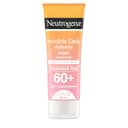
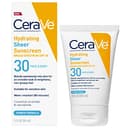
How to choose a facial sunscreen
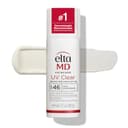
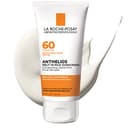
The first fork is chemical versus mineral filters. Chemical filters absorb UV and tend to feel lighter and leave no cast, which makes them easy to wear daily. Mineral filters — zinc oxide and titanium dioxide — sit on top of skin and physically block UV; they suit sensitive and reactive skin, but a true mineral formula almost always leaves some degree of white or gray cast. Neither type is “safer” than the other for most people; it’s about which your skin tolerates and which you’ll wear. If you’ve already decided to skip chemical filters, our best mineral sunscreens roundup digs into the zinc and titanium picks, tints and all. And if you are choosing between the two brands you see most often in a dermatology office, EltaMD vs La Roche-Posaycompares them filter by filter off their FDA labels — including the fact that UV Clear is a zinc-plus-octinoxate hybrid rather than a mineral sunscreen.
What the SPF number means
SPF measures protection against UVB, and the jump between numbers is smaller than it looks. The FDA notes that SPF 30 filters roughly 97% of UVB, while SPF 50 gets you to about 98% — a real but modest gain. Far more important is choosing a product labeled broad spectrum, which means it also covers the UVA rays tied to aging, and then actually applying enough of it.
Apply enough, and reapply
Most people apply a fraction of what the SPF was tested at, which quietly drops the real protection well below the number on the label. For the face and neck, aim for about a nickel-sized amount, or the classic two-finger measure. Reapply every two hours of sun exposure, and after swimming or heavy sweating. If you have a deeper skin tone and mineral sunscreens leave you ashy, a well-formulated chemical sunscreen — or one built specifically to rub in clear on melanin-rich skin — solves the cast problem that stops so many people from wearing SPF at all; our picks for deeper skin tones go through those formulas specifically, and reapplying over makeup covers the mid-day half honestly. If your skin breaks out, start instead from sunscreen for acne-prone skin, where the oil-free options are compared on their own.