Barrier & Balm

Best Sunscreen for Dark Skin Tones

Five sunscreens that disappear on medium-to-deep skin instead of leaving a grey cast — what causes the cast, which formats avoid it, and the honest trade-off in each pick.

By Stephen V.Last updated How we pick

Black Girl Sunscreen Broad Spectrum SPF 30 is the pick for most people, and Australian Gold Mineral SPF 50 Tinted Face is the pick if you want a mineral filter. Black Girl Sunscreen is built around the one problem that makes people on deeper skin tones quit sunscreen altogether — it uses chemical filters, so it rubs in clear with nothing to grey out. The Australian Gold is here because it is the rare tinted mineral sold in an actual shade range (Fair to Light, Medium to Tan, Rich to Deep) rather than one “universal” beige that only works on light skin.

The cast problem is not a preference and it is not vanity. A sunscreen that leaves a grey or ashy film is a sunscreen that gets applied thinly, skipped on workdays, or not bought twice — and that matters, because pigmentation is the concern that brings most people with deeper skin to a skincare site in the first place. Marks from spots, razor bumps and old irritation all darken in UV, so the daily sunscreen is the step doing the quiet work underneath whatever brightening active you are using.

Who each pick is for, in one line:

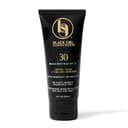
  • Black Girl Sunscreen SPF 30— for anyone who wants a sunscreen that vanishes with no tint and no cast. Not fragrance-free, which is the trade.
  • Australian Gold Mineral SPF 50 Tinted Face— for people who want a 100% mineral filter and a tint matched to deeper skin.
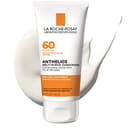
  • La Roche-Posay Anthelios Melt-in Milk SPF 60— for face and body in one bottle, when you need to cover a lot of skin generously.
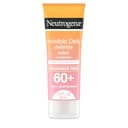
  • Neutrogena Invisible Daily Defense SPF 60— for a fragrance-free, cast-free high SPF at the lowest price.
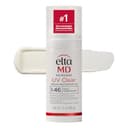
  • EltaMD UV Clear SPF 46— for acne-prone skin where post-spot marks are the main concern, if you can live with a hint of cast.

We own none of these units and we test nothing — here is what we do instead. Filters, SPF and shade ranges below are read from each listing; prices are checked daily against the live listing.

How this is funded: we earn a commission if you buy through our links, at no extra cost to you. It never changes which product we recommend, and we’ll tell you when we’d skip one. Full disclosure.

Quick picks

Ranked on formulation, stated concentration and buyer fit. Select a row to jump to the full write-up. We have not tested these products — here is exactly what we do instead.

#ProductBest forPrice
1
Black Girl Sunscreen Broad Spectrum SPF 30

Black Girl Sunscreen Broad Spectrum SPF 30

Built specifically to disappear on deeper skin tones, which most mineral sunscreens can't do. A moisturizing chemical SPF 30 with no cast — the answer to the single most common sunscreen complaint.

Best overall, no cast
$9.99 · View on Amazon

Price as of October 5, 2026. #ad How we’re funded

2
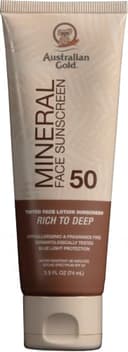
Australian Gold Mineral SPF 50 Tinted Face

Australian Gold Mineral SPF 50 Tinted Face

The rare tinted mineral that comes in an actual shade range — Fair to Light, Medium to Tan and Rich to Deep — so deeper skin tones get a real match instead of a one-size universal tint. A 100% mineral SPF 50 at a drugstore-adjacent price.

Best tinted mineral
$18.99 · View on Amazon

Price as of October 5, 2026. #ad How we’re funded

3
La Roche-Posay Anthelios Melt-in Milk SPF 60

La Roche-Posay Anthelios Melt-in Milk SPF 60

A high-SPF chemical sunscreen for face and body that sinks in without a cast — the pick when you want strong protection you'll happily apply generously over larger areas.

Best for face and body
$29.49 · View on Amazon

$37.9922% off

Price as of October 5, 2026. #ad How we’re funded

4
Neutrogena Invisible Daily Defense SPF 60

Neutrogena Invisible Daily Defense SPF 60

The budget high-SPF pick: fragrance-free broad-spectrum SPF 60 with antioxidants at a drugstore price. Nothing fancy, and that's the appeal for a product you should use by the half-teaspoon.

Best budget high SPF
$12.99 · View on Amazon

$19.9935% off

Price as of October 5, 2026. #ad How we’re funded

5
EltaMD UV Clear Broad-Spectrum SPF 46

EltaMD UV Clear Broad-Spectrum SPF 46

The facial sunscreen dermatologists reach for most, and it earns it: zinc-oxide-based SPF 46 with niacinamide, oil-free and fragrance-free, cosmetically elegant enough to actually wear daily.

Best for post-acne marks
$42.00 · View on Amazon

$46.009% off

Price as of October 5, 2026. #ad How we’re funded

The picks in full

#1Best overall, no cast

Black Girl Sunscreen Broad Spectrum SPF 30

Built specifically to disappear on deeper skin tones, which most mineral sunscreens can't do. A moisturizing chemical SPF 30 with no cast — the answer to the single most common sunscreen complaint.

Strengths

  • Formulated to leave no white cast on melanin-rich skin
  • Moisturizing, with jojoba and avocado oils
  • Inexpensive

Trade-offs

  • SPF 30, not 50 — reapply diligently
  • Emollient finish is a touch dewy for very oily skin
Key activeChemical UV filters (SPF 30)
Stated concentrationSPF 30
FormatMoisturizing lotion
Fragrance-freeNo
Best forMedium-to-deep tones, Normal, Dry

Formulation note. Broad-spectrum chemical SPF 30 designed to rub in clear on deeper skin tones. It solves the cast problem mineral filters create — the practical reason it exists.

Ingredients and claims read from the product listing, on July 17, 2026. “Not published” means the brand does not state that figure.

#2Best tinted mineral

Australian Gold Mineral SPF 50 Tinted Face

The rare tinted mineral that comes in an actual shade range — Fair to Light, Medium to Tan and Rich to Deep — so deeper skin tones get a real match instead of a one-size universal tint. A 100% mineral SPF 50 at a drugstore-adjacent price.

Strengths

  • Three shades (Fair to Light, Medium to Tan, Rich to Deep) for a genuine match on deeper tones
  • Stated 4% zinc oxide + 4% titanium dioxide — 100% mineral and fragrance-free
  • Non-greasy tinted lotion at a mid-range price

Trade-offs

  • You have to pick the right shade — the wrong one reads as a tint mismatch
  • Lower total mineral load than the SPF 50 heavyweights, so apply and reapply diligently
Key activeZinc oxide + titanium dioxide (SPF 50, tinted)
Stated concentrationSPF 50
FormatTinted lotion
Fragrance-freeYes
Best forMedium-to-deep tones, Normal, Sensitive

Formulation note. 4% zinc oxide + 4% titanium dioxide with a tint, 100% mineral and fragrance-free, broad spectrum and water resistant. The three-shade range is the differentiator — it's a tinted mineral built for the deeper tones a single universal tint can't cover.

Ingredients and claims read from the product listing, on September 29, 2026. “Not published” means the brand does not state that figure.

#3Best for face and body

La Roche-Posay Anthelios Melt-in Milk SPF 60

A high-SPF chemical sunscreen for face and body that sinks in without a cast — the pick when you want strong protection you'll happily apply generously over larger areas.

Strengths

  • Broad-spectrum SPF 60, no white cast
  • Fast-absorbing milk texture
  • Good value for a face-and-body size

Trade-offs

  • Chemical filters can sting sensitive eyes
  • Contains fragrance
Key activeChemical UV filters (SPF 60)
Stated concentrationSPF 60
FormatMilk lotion
Fragrance-freeNo
Best forNormal, Combination, Body use

Formulation note. Broad-spectrum chemical filters at SPF 60. Cosmetically excellent and cast-free; contains fragrance and is chemical-filter based, so not our first pick for reactive skin.

Ingredients and claims read from the product listing, on July 17, 2026. “Not published” means the brand does not state that figure.

#4Best budget high SPF

Neutrogena Invisible Daily Defense SPF 60

The budget high-SPF pick: fragrance-free broad-spectrum SPF 60 with antioxidants at a drugstore price. Nothing fancy, and that's the appeal for a product you should use by the half-teaspoon.

Strengths

  • Fragrance-free broad-spectrum SPF 60
  • Antioxidant complex included
  • Cheap enough to apply generously and reapply

Trade-offs

  • Slightly heavier finish than prestige options
  • Can pill under some makeup
Key activeChemical UV filters (SPF 60)
Stated concentrationSPF 60
FormatLotion
Fragrance-freeYes
Best forNormal, Combination

Formulation note. Fragrance-free broad-spectrum SPF 60 + antioxidants. Being cheap is a feature: the biggest sunscreen mistake is under-applying, and price is why people ration it.

Ingredients and claims read from the product listing, on July 17, 2026. “Not published” means the brand does not state that figure.

#5Best for post-acne marks

EltaMD UV Clear Broad-Spectrum SPF 46

The facial sunscreen dermatologists reach for most, and it earns it: zinc-oxide-based SPF 46 with niacinamide, oil-free and fragrance-free, cosmetically elegant enough to actually wear daily.

Strengths

  • Zinc oxide + niacinamide — calming and non-irritating
  • Oil-free, fragrance-free, non-comedogenic
  • Light finish that layers under makeup

Trade-offs

  • Premium price per ounce
  • Very slight cast on the deepest skin tones (the tinted version fixes this)
Key activeZinc oxide + niacinamide (SPF 46)
Stated concentrationSPF 46
FormatLightweight lotion
Fragrance-freeYes
Best forSensitive, Acne-prone, Rosacea-prone

Formulation note. Broad-spectrum SPF 46 with zinc oxide + 5% niacinamide. The niacinamide is a genuine plus for redness-prone skin — the reason it's a repeat recommendation, not just a decent SPF.

Ingredients and claims read from the product listing, on September 29, 2026. “Not published” means the brand does not state that figure.

The five compared on cast, filters and fragrance

Cast is a consequence of filter type and tint, both of which a label does disclose. That makes this table the useful one: it is the three columns that predict whether a sunscreen will disappear on you.

SunscreenFiltersSPFTintFragrance-free
Black Girl SunscreenChemical30None — rubs in clearNo
Australian Gold Tinted Face4% zinc oxide + 4% titanium dioxide50Three shades, to Rich to DeepYes
LRP Anthelios Melt-in MilkChemical60None — no castNo
Neutrogena Invisible Daily DefenseChemical60NoneYes
EltaMD UV ClearZinc oxide, with 5% niacinamide46None in this versionYes

Why sunscreen leaves a cast in the first place

The culprit is almost always titanium dioxide. Mineral sunscreens work by sitting on the surface of the skin as a layer of fine white particles, and those particles scatter visible light as well as UV. On light skin the effect is a faint brightening nobody notices. On medium and deep skin the same film reads as grey, ashy or chalky, because there is a far bigger contrast between the white layer and the skin underneath. Zinc oxide does it too, slightly less so.

There are only two real fixes, and both are in this list. The first is to skip white particles entirely: chemical filters are clear liquids, so a well-formulated chemical sunscreen simply has nothing to grey out. The second is to cancel the white with pigment — iron oxides, the same earth pigments used in foundation, tinted into the mineral base. That only works if the brand offers more than one shade, which is why a “universal tint” is so often the wrong answer: a single beige built for light-to-medium skin turns orange or sits grey-over-brown on deeper tones.

What to look for, in order

1. Filter type, read off the Drug Facts panel

Every U.S. sunscreen lists its active ingredients by name and percentage, which makes this the one spec you never have to guess about. If you see titanium dioxide or zinc oxide, you are buying a mineral and you should expect either a cast or a tint. If you see avobenzone, octisalate, octocrylene, homosalate or similar, you are buying a clear chemical filter. Our wider mineral versus chemical comparison goes through how the two behave beyond cast.

2. Shade range, if it is tinted

A tinted mineral with three shades is a different product from a tinted mineral with one. Buy the range. And check the darkest shade name rather than the marketing copy — “deep” means whatever the brand decided it means.

3. Fragrance, which is where two of these picks lose points

Both Black Girl Sunscreen and the Anthelios Melt-in Milk contain fragrance. We flag that rather than quietly leaving it out, because on reactive skin fragrance is the most common cause of a cosmetic contact reaction and there is no benefit to offset it. It does not disqualify either one — a fragranced sunscreen you wear every day beats a fragrance-free one in the cupboard — but if your skin is reactive, the Australian Gold and the Neutrogena are the fragrance-free routes to the same cast-free result.

4. Finish, for the skin you actually have

Deeper skin is not one skin type, and the sunscreen that suits dry skin in winter will look greasy on an oily T-zone in July. Black Girl Sunscreen is a moisturizing lotion, which is a plus on dry skin and a minus if you shine by lunchtime; the mineral options finish flatter. If you are oily and breaking out, start from sunscreen for acne-prone skin instead and come back for the cast question.

The pigmentation angle, stated honestly

Daily broad-spectrum sunscreen is the most useful thing you can do about dark marks, because UV deepens existing pigment and slows its clearance — which is why every one of our dark spot routines starts with SPF rather than with a brightening serum. Tinted formulas carry a visible pigment layer in addition to their UV filters, which is the mechanism behind the common advice to use a tint when pigmentation is the concern. We are not going to put a number on how much extra that buys you, because we have not found a published figure we are willing to quote as fact.

What we will say plainly: SPF 30 broad-spectrum applied generously every morning, all year, in all weather, does more for marks than any serum in this registry. The quantity question matters more than the brand.

What we left out, and why

EltaMD UV Physical Tinted is a genuinely good tinted mineral and we recommend it elsewhere — but its tint is a single universal shade the brand describes as suiting fair-to-medium skin, so it does not belong at the top of this page. We also left out sunscreen sticks and powders, which solve reapplication rather than cast, and every “invisible” mineral that is invisible only on light skin.
Frequently asked questions

What is the best sunscreen for dark skin with no white cast?

Black Girl Sunscreen Broad Spectrum SPF 30 is the straightforward answer: it uses chemical filters, so there are no white particles to leave a cast, and it is formulated specifically to rub in clear on deeper skin tones. The trade-off is that it contains fragrance. If you want a fragrance-free option with no cast, Neutrogena Invisible Daily Defense SPF 60 is the budget pick; if you want a mineral filter, choose a tinted one with a real shade range such as Australian Gold Mineral SPF 50 Tinted Face.

Why does mineral sunscreen look grey or ashy on deeper skin?

Because mineral filters work as a layer of fine white particles on the surface of the skin, and titanium dioxide in particular scatters visible light as well as UV. The whiter the film sitting over a darker base, the more visible the contrast, so the same formula that looks like a faint brightening on light skin reads as grey or chalky on deep skin. Tinting the formula with iron oxides is the standard fix, and skipping mineral filters entirely is the other.

Do people with dark skin need sunscreen?

Yes. Higher melanin provides some baseline protection, but it is not sufficient protection, and skin cancer in deeper skin tones is more often diagnosed late. The more immediate reason most people care is pigmentation: post-acne marks, razor bumps and old irritation all darken and persist longer with UV exposure, so sunscreen is the step that lets everything else you are doing about marks actually show.

Is tinted sunscreen better for hyperpigmentation?

Tinted formulas add a layer of visible pigment on top of the UV filters, which is the reasoning behind recommending them when pigmentation is the main concern, and they also even out the look of existing marks immediately. We will not quote a figure for how much extra protection that gives, because we have not found a published number we are confident citing. The part that is well established is that daily broad-spectrum sunscreen, tinted or not, is what keeps marks from deepening.

What SPF should I use on deeper skin tones?

The same floor as everyone else: SPF 30 broad-spectrum, every day. SPF 50 or 60 gives you a margin for the under-application most people are guilty of, which is worth having if the higher number does not make the product feel worse. A sunscreen you apply generously at SPF 30 outperforms one you apply thinly at SPF 60.

Can I use a tinted sunscreen instead of foundation?

Often, yes, and that is part of the appeal of the tinted mineral pick here, which comes in three shades rather than one. Just keep the two jobs separate in your head: the tint is cosmetic coverage, and the amount you need for the labeled SPF is the full quarter-teaspoon for a face. Applying a thin, blended-out layer the way you would a foundation leaves you with far less protection than the number on the tube.

Sources

Keep reading