Barrier & Balm

Best Retinol Creams

Retinol in a moisturizer base, for skin that finds serums drying — ranked on which brands actually publish a strength, and which quietly don't.

By Stephen V.Last updated How we pick

A retinol cream is the same active as a retinol serum, delivered in a moisturizer instead of a thin fluid. That difference sounds cosmetic and isn’t. Retinol’s most common failure mode is not that it doesn’t work — it’s that people stop using it because their skin flakes, tightens and stings in week three. An emollient cream base cushions that, and for dry, mature or easily-irritated skin it is often the difference between a retinol you abandon and one you are still using in six months. It also collapses two steps into one, which matters more than anyone admits at 11pm.

The catch is disclosure. Retinol is dose-dependent, and yet most retinol creams never tell you the dose. Of the five below, two publish an exact percentage, one publishes a number that turns out to describe something else entirely, and two publish nothing at all. So we ranked them the only honest way available to us: on what each brand actually states, how good the base formula is, and whether the fragrance and texture suit the person most likely to be buying a cream in the first place. Every pick is real, currently sold, and carries a genuine drawback. Prices below are live.

How this is funded: we earn a commission if you buy through our links, at no extra cost to you. It never changes which product we recommend, and we’ll tell you when we’d skip one. Full disclosure.

Quick picks

Ranked on formulation, stated concentration and buyer fit. Select a row to jump to the full write-up. We have not tested these products — here is exactly what we do instead.

#ProductBest forPrice
1
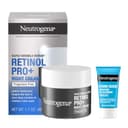
Neutrogena Rapid Wrinkle Repair Retinol Pro+ 0.3% Night Cream

Neutrogena Rapid Wrinkle Repair Retinol Pro+ 0.3% Night Cream

The rare drugstore retinol cream that prints its strength on the front of the box — a stated 0.3% retinol, fragrance-free, in a cream base. If you want to know what you are actually applying, this is the one.

Best overall
$28.47 · View on Amazon

$29.975% off

Price as of September 5, 2026. #ad How we’re funded

2
Good Molecules Gentle Retinol Cream

Good Molecules Gentle Retinol Cream

A stated 0.1% retinol with 0.3% bakuchiol alongside it, fragrance-free, for less than the price of lunch. The cheapest sensible way to find out whether your skin gets on with retinol at all.

Best for beginners
$7.97 · View on Amazon

Price as of September 5, 2026. #ad How we’re funded

3
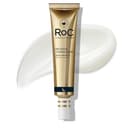
RoC Retinol Correxion Deep Wrinkle Night Cream

RoC Retinol Correxion Deep Wrinkle Night Cream

The drugstore retinol cream people actually keep buying — retinol delivered in a moisturizing cream base, which suits dry, mature skin that finds serums drying.

Best for dry, mature skin
$21.97 · View on Amazon

$29.9927% off

Price as of September 5, 2026. #ad How we’re funded

4
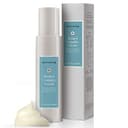
Naturium Retinol Complex Face Cream 2.5%

Naturium Retinol Complex Face Cream 2.5%

The most moisturizer-like retinol here — shea and murumuru butters, squalane and biomimetic lipids around a retinol-and-bakuchiol blend. Read the 2.5% carefully: it describes the blend, not the retinol.

Best moisturizer-first
$15.99 · View on Amazon

$19.9920% off

Price as of September 5, 2026. #ad How we’re funded

5
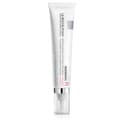
La Roche-Posay Redermic R Retinol Face Cream

La Roche-Posay Redermic R Retinol Face Cream

Pure retinol plus retinyl linoleate and an exfoliating LHA, in the most sophisticated formula on this page — and the most expensive by some distance. A considered upgrade, not a starting point.

Best premium formula
$54.97 · View on Amazon

Price as of September 5, 2026. #ad How we’re funded

The picks in full

#1Best overall

Neutrogena Rapid Wrinkle Repair Retinol Pro+ 0.3% Night Cream

The rare drugstore retinol cream that prints its strength on the front of the box — a stated 0.3% retinol, fragrance-free, in a cream base. If you want to know what you are actually applying, this is the one.

Strengths

  • Publishes an exact 0.3% retinol — almost unheard of at drugstore prices
  • Fragrance-free, and formulated without parabens, dyes or mineral oil
  • Sodium hyaluronate and a soothing agent (4-t-butylcyclohexanol) in the base

Trade-offs

  • 0.3% is a real working strength — too much for a first retinol
  • The cream is light rather than rich; very dry skin may want moisturizer over it
Key activeRetinol
Stated concentration0.3%
FormatLight night cream
Fragrance-freeYes
Best forNormal, Combination, Experienced retinol users

Formulation note. A stated 0.3% retinol in a fragrance-free cream base, supported by sodium hyaluronate, glycerin and dimethicone, with 4-t-butylcyclohexanol (a soothing agent) and ascorbic acid and BHT as antioxidant stabilizers. The published percentage is the reason it leads this page.

Ingredients and claims read from the product listing, on August 15, 2026. “Not published” means the brand does not state that figure.

#2Best for beginners

Good Molecules Gentle Retinol Cream

A stated 0.1% retinol with 0.3% bakuchiol alongside it, fragrance-free, for less than the price of lunch. The cheapest sensible way to find out whether your skin gets on with retinol at all.

Strengths

  • Publishes both figures — 0.1% retinol and 0.3% bakuchiol
  • The lowest-risk starting strength on this page
  • Fragrance-free, vegan, and the cheapest pick here by a wide margin

Trade-offs

  • 0.1% is deliberately mild — experienced users will outgrow it
  • Bakuchiol is a supporting act, not a second retinoid, whatever the box implies
Key activeRetinol + bakuchiol
Stated concentration0.1% retinol (with 0.3% bakuchiol)
FormatLight cream
Fragrance-freeYes
Best forSensitive, Dry, Beginners

Formulation note. One of the very few retinol creams that quantifies everything that matters: 0.1% retinol plus 0.3% bakuchiol, in a fragrance-free base with grapeseed oil and allantoin. Bakuchiol has a small supportive evidence base of its own and is included here to buffer, not to replace, the retinol.

Ingredients and claims read from the product listing, on August 15, 2026. “Not published” means the brand does not state that figure.

#3Best for dry, mature skin

RoC Retinol Correxion Deep Wrinkle Night Cream

The drugstore retinol cream people actually keep buying — retinol delivered in a moisturizing cream base, which suits dry, mature skin that finds serums drying.

Strengths

  • Retinol in an emollient cream is gentler for dry skin
  • Long track record and wide availability
  • Low price for a nightly retinol

Trade-offs

  • Concentration is not published
  • Contains fragrance — a consideration for reactive skin
Key activeRetinol
Stated concentrationNot published
FormatRich night cream
Fragrance-freeNo
Best forDry, Mature

Formulation note. Retinol in a moisturizing cream base. Contains fragrance, so it is not our pick for sensitive skin — the cream format is its advantage for dry skin.

Ingredients and claims read from the product listing, on July 17, 2026. “Not published” means the brand does not state that figure.

#4Best moisturizer-first

Naturium Retinol Complex Face Cream 2.5%

The most moisturizer-like retinol here — shea and murumuru butters, squalane and biomimetic lipids around a retinol-and-bakuchiol blend. Read the 2.5% carefully: it describes the blend, not the retinol.

Strengths

  • Genuinely rich base — shea butter, murumuru butter, squalane and linoleic acid
  • Fragrance-free and essential-oil-free
  • Doubles as the night moisturizer, so it replaces a step rather than adding one

Trade-offs

  • The headline 2.5% is the combined retinol-plus-bakuchiol figure — the retinol dose itself is not published
  • Too occlusive for oily or congestion-prone skin
Key activeRetinol + bakuchiol
Stated concentrationNot published
FormatRich cream
Fragrance-freeYes
Best forDry, Normal, Mature

Formulation note. Naturium states that the 2.5% refers to the combined retinol and bakuchiol complex, not to retinol alone — so the actual retinol dose is unpublished, which is why we record it as such. The base is the selling point: shea and murumuru butters, squalane, sodium hyaluronate, linoleic and oleic acids, tocopherol, all fragrance-free.

Ingredients and claims read from the product listing, on August 15, 2026. “Not published” means the brand does not state that figure.

#5Best premium formula

La Roche-Posay Redermic R Retinol Face Cream

Pure retinol plus retinyl linoleate and an exfoliating LHA, in the most sophisticated formula on this page — and the most expensive by some distance. A considered upgrade, not a starting point.

Strengths

  • Three-part retinoid and exfoliant approach: retinol, retinyl linoleate and capryloyl salicylic acid (LHA)
  • Sodium hyaluronate and adenosine support the base
  • Small 30ml tube is airtight-packed and easy to use up before it degrades

Trade-offs

  • Contains fragrance, which counts against it for reactive skin
  • The retinol percentage is not published on the US listing
  • Several times the price of the drugstore creams here for an unstated dose
Key activeRetinol + retinyl linoleate
Stated concentrationNot published
FormatLight cream
Fragrance-freeNo
Best forNormal, Combination, Experienced retinol users

Formulation note. The INCI lists Retinol and Retinyl Linoleate together with Capryloyl Salicylic Acid (LHA, a gentle lipophilic exfoliant), sodium hyaluronate and adenosine. La Roche-Posay markets it as 'pure retinol' but does not state a percentage on the US listing, so we record the concentration as unpublished. Parfum is present.

Ingredients and claims read from the product listing, on August 15, 2026. “Not published” means the brand does not state that figure.

How we judged these

We own no units, we run no lab, and we are not going to tell you we wore five retinol creams for a controlled twelve weeks. What we can do is read labels properly, which in this category is worth more than it sounds. Four criteria, in order:

1. Is the retinol percentage published?Retinol works in a dose-dependent way, so a cream that states 0.1% or 0.3% is letting you make an informed decision and one that says “retinol” is asking you to guess. Both creams here that print a figure finished in our top two, and that is not a coincidence. 2. Is the base worth having on your face?This carries more weight for creams than serums, because you are buying the moisturizer as well as the active. Ceramides, squalane, hyaluronic acid, shea — if the retinol underdelivers, a good base still leaves you with a night cream. 3. Fragrance. Retinol is already an irritant; adding parfum to it is a real mark against a product, and two picks here carry one. 4. Price against what you actually get— per ml, and per unit of disclosed active.

One thing we deliberately did notreward: a big number on the front of the box. As one of the picks below demonstrates, a “2.5%” can refer to a blend rather than to the retinol, and a high headline figure with no breakdown tells you less than a modest one that is honestly stated.

Cream or serum — which should you actually buy?

Neither format is stronger by nature. Retinol at 0.3% is 0.3% whether it arrives in an oil, a fluid or a cream; what changes is how the surrounding formula treats your skin while the retinol does its work.

Buy the cream if your skin is dry, mature, or has already tried a retinol serum and reacted badly. The emollient base slows delivery slightly and offsets the dryness that makes people quit, and it means one product instead of two at the end of a long day. Buy the serumif your skin is oily or congestion-prone, if you already have a moisturizer you like and don’t want to give it up, or if you want the widest choice of published strengths — the serum shelf is simply better at disclosure. Our retinol serum picks cover that side, and nothing stops you using a serum under a plain moisturizer to build your own version of a cream.

The honest summary: the best retinol is the one you will still be applying three nights a week next spring. For a lot of people with dry skin, that is a cream, and choosing the format you will tolerate beats chasing the strongest number you can find.

What the strength on the label actually means

0.1% and belowis starter territory — enough to produce results over months, mild enough that most people get through the adjustment period without peeling. 0.25% to 0.5% is the mainstream working range where most of the visible benefit sits. 0.5% to 1% is for skin that has been using retinol for a year or more without trouble, and is where irritation starts outrunning the extra benefit for a lot of people. We break the tiers down properly in retinol strengths explained.

Two label traps are worth knowing. First, “retinol complex” percentages: when a brand advertises a figure for a complex or blend, that number covers everything in the blend, not the retinol alone — one pick above states exactly this, and we have flagged it rather than let the 2.5% imply what it appears to imply. Second, retinol is not the only retinoid on these shelves. Retinyl palmitate, granactive retinoid and retinaldehyde all appear on labels and all behave differently; retinaldehyde in particular is a step closer to the active form than retinol is. If you are unsure what you are looking at, our retinol vs retinoid explainer sorts the family out.

Bakuchiol on the ingredient list

Two picks above pair retinol with bakuchiol, a plant-derived ingredient with a small but real research base — a frequently-cited randomized trial found it comparable to retinol for photoaging with less stinging and scaling. That is a genuine finding, and it is also a single small study rather than the decades of consistent work behind retinol itself. Read bakuchiol in these formulas as a buffering companion that may take some of the edge off, never as a second dose of retinoid, and never as a reason to accept a cream that won’t tell you its retinol content. Our retinol vs bakuchiolcomparison covers what the evidence does and doesn’t support.

How to use a retinol cream without wrecking your barrier

Apply it at night, to completely dry skin— damp skin increases penetration and irritation together, which is the opposite of what you want in the first month. A pea-sized amount covers the whole face. Start at two nights a weekand hold there for a fortnight before adding a third; the people who end up peeling are almost always the people who went nightly in week one. Because a cream already contains its own emollients you usually don’t need a moisturizer over it, though very dry skin can add one without reducing the retinol’s effect.

Don’t stack it with an exfoliating acid on the same night while you are adjusting, and give it space from benzoyl peroxide — the full list of pairings to keep apart is in what not to mix with retinol. Expect a genuine adjustment period of two to six weeks; some dryness and flaking is normal, but stinging that persists, tightness that doesn’t settle, or a rash means back off the frequency rather than push through it. We cover the difference between adjustment and damage in the retinol purge, explained.

And the step that decides whether any of this was worth doing: daily sunscreen. Retinol works on photoaging, and using it without protecting the result each morning is running a bath with the plug out. If your budget only covers one purchase this month, make it the sunscreen, not the retinol.
Frequently asked questions

Is a retinol cream as effective as a retinol serum?

At the same strength, yes — the active is identical and the format doesn't change what retinol does. What the cream changes is tolerance and convenience: the emollient base cushions the dryness and flaking that make people quit, and it removes the need for a separate moisturizer. The practical catch is disclosure. Retinol serums are far more likely to publish an exact percentage, so if you want to know precisely what you're applying, the serum shelf gives you more to choose from.

What strength retinol cream should I start with?

If you've never used a retinol, start at 0.1% or lower and treat 0.25%–0.5% as where you'll end up rather than where you begin. Our beginner pick states 0.1%, which is enough to work over months while being mild enough that most people get through the adjustment period without peeling. Jumping straight to 0.3% or higher is the most common reason people conclude their skin 'can't handle retinol' when what actually happened is they started three steps too high.

Why do so few retinol creams publish their percentage?

Because they aren't required to. Retinol is a cosmetic ingredient in the US, so brands must list it in the ingredient order but never have to state how much is in there. Concentration is also commercially sensitive, and a low number is harder to market than a vague promise. That's why disclosure is our first ranking criterion — a brand that publishes a figure is handing you something you can actually check, and in this category that willingness is one of the few honest signals available.

Can I use a retinol cream instead of my night moisturizer?

Usually, yes — that's a large part of why creams exist. All five picks here are formulated as moisturizers in their own right, and the richer ones will comfortably replace a night cream for most skin types. Very dry skin can still layer a plain moisturizer over the top without reducing the retinol's effect, which is also a useful way to buffer irritation early on. If your skin is oily, the moisturizer-first picks here will be too occlusive and a retinol serum under a light gel is the better structure.

Does a retinol cream with bakuchiol work better?

It may irritate less, which isn't the same as working better. Bakuchiol has a small supportive evidence base — one frequently-cited randomized trial found it comparable to retinol for photoaging with less stinging and scaling — but that's a single small study next to decades of consistent research on retinol. In the creams here it's best read as a buffering companion rather than a second retinoid, and it's not a reason to accept a formula that won't disclose its retinol content.

How long before a retinol cream shows results?

Expect two to six weeks of adjustment before anything looks better, real improvement in texture and tone at around three months, and the changes retinol is genuinely known for — fine lines, firmness, pigmentation — over six to twelve months of consistent use. Nothing you see in the first fortnight is collagen; it's hydration from the base formula, or dryness from the retinol. Judging a retinol cream at three weeks tells you only whether you like the texture.

Sources

Keep reading