Skincare Ingredient Conflict Chart
Every common active against every other one in a single chart — safe together, space them out, or keep them in separate routines, with the chemical reason for each call.
How this is funded: we earn a commission if you buy through our links, at no extra cost to you. It never changes which product we recommend, and we’ll tell you when we’d skip one. Full disclosure.
The three actives that play well with everything
If you want to add something to a routine without re-planning it, start here. These three have the fewest interaction caveats of any actives in the registry — which is a formulation fact, not a performance claim. We have tested nothing; prices are checked daily.
Conflicts with nothing
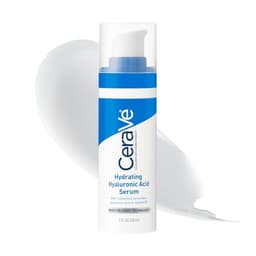
CeraVe Hyaluronic Acid Serum (B5 + Ceramides)
Hyaluronic acid is a humectant with no pH requirement and no oxidation problem — it layers under or over anything. Ceramides and B5 help hold the water in.
The easiest active to combine
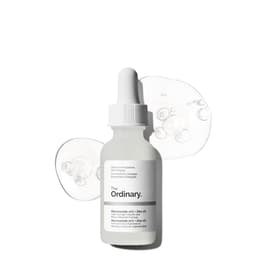
The Ordinary Niacinamide 10% + Zinc 1%
A stated 10% niacinamide with 1% zinc. Compatible with retinol, acids, benzoyl peroxide and vitamin C — note 10% is above the 4-5% most studies used.
$6.00 · View on AmazonPrice as of October 11, 2026. #ad How we’re funded
The gentlest useful active
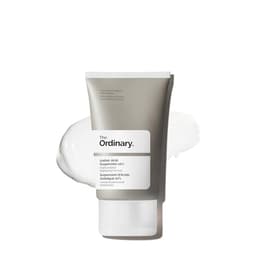
The Ordinary Azelaic Acid Suspension 10%
10% free azelaic acid works on redness, bumps and marks and layers with most other actives, which makes it the usual answer when retinol or acids are too much.
$12.20 · View on AmazonPrice as of October 11, 2026. #ad How we’re funded
The chart
Read it as a grid: find one active down the side, the other along the top, and the cell tells you whether they can share a routine. Every verdict carries its reason, because “don’t mix these” without a mechanism is how skincare folklore spreads.
| Pairing | Retinol | Vitamin C | Niacinamide | AHA / BHA | Benzoyl peroxide | Hyaluronic acid |
|---|---|---|---|---|---|---|
| Retinol | CareBoth potent — the simplest fix is vitamin C in the morning, retinol at night | SafeNiacinamide can buffer retinol's dryness — a common, sensible pairing | CareTwo exfoliating pathways at once irritates — alternate on different nights | SeparateBenzoyl peroxide can degrade many retinols and stacks irritation — use at different times | SafeHyaluronic acid hydrates and eases retinol dryness | |
| Vitamin C | CareBoth potent — the simplest fix is vitamin C in the morning, retinol at night | SafeThe old 'they cancel out' claim is a myth — fine together | CareLayering low-pH actives can over-exfoliate — space them out or alternate | CareBenzoyl peroxide can oxidize vitamin C — separate them (AM vs PM) | SafeNo conflict; HA adds hydration | |
| Niacinamide | SafeNiacinamide can buffer retinol's dryness — a common, sensible pairing | SafeThe old 'they cancel out' claim is a myth — fine together | SafeGenerally fine; introduce one at a time if you're reactive | SafeCompatible; niacinamide can calm BP dryness | SafeNo conflict | |
| AHA / BHA | CareTwo exfoliating pathways at once irritates — alternate on different nights | CareLayering low-pH actives can over-exfoliate — space them out or alternate | SafeGenerally fine; introduce one at a time if you're reactive | SeparateDouble exfoliation plus BP is a fast route to a damaged barrier | SafeHA cushions the exfoliation | |
| Benzoyl peroxide | SeparateBenzoyl peroxide can degrade many retinols and stacks irritation — use at different times | CareBenzoyl peroxide can oxidize vitamin C — separate them (AM vs PM) | SafeCompatible; niacinamide can calm BP dryness | SeparateDouble exfoliation plus BP is a fast route to a damaged barrier | SafeNo conflict | |
| Hyaluronic acid | SafeHyaluronic acid hydrates and eases retinol dryness | SafeNo conflict; HA adds hydration | SafeNo conflict | SafeHA cushions the exfoliation | SafeNo conflict |
Three columns of verdict, and they mean different things. Safe means layer them in the same routine with no special handling. Caremeans they are chemically fine but the combination irritates many people — split them across morning and night, or across alternating days. Separate means there is a real reason to keep them apart: a degradation problem, or a double dose of the same irritation pathway.
The actives the grid does not cover
The matrix above covers the six that generate almost all the questions. Here are the rest of the common ones, with the same logic applied. Everything in this table is the mainstream dermatology-consensus reading of how these ingredients interact; it is general education, not a prescription for your skin.
| Ingredient | Pairs well with | Space out from | Why |
|---|---|---|---|
| Azelaic acid | Niacinamide, hyaluronic acid, ceramides, retinol (on alternate nights), sunscreen | Strong exfoliating acids on the same night | Unusually well-tolerated for an active, which is why it is the common answer for rosacea-prone and reactive skin |
| Salicylic acid (BHA) | Niacinamide, benzoyl peroxide (at different times) | AHAs, retinol, a second BHA product | Same exfoliating pathway as an AHA, so combining them is a dose increase rather than a wider treatment |
| Peptides | Hyaluronic acid, ceramides, niacinamide, retinol | Nothing with a strong case against it | Signal peptides have no pH requirement and no documented antagonism with the common actives |
| Bakuchiol | Retinol, niacinamide, vitamin C, moisturizers | Nothing in particular | Studied as a gentler alternative to retinol rather than a competitor to it, and tolerated alongside most things |
| Ceramides and squalane | Everything | Nothing | They are barrier lipids, not actives — the thing you put over an irritating routine, not a variable in it |
| Mineral sunscreen (zinc / titanium) | Everything, applied last in the morning | Nothing — but apply it after your moisturizer has settled | A sunscreen applied over a wet layer films unevenly, which lowers the protection you actually get |
| Two retinoids | — | Each other, always | Retinol, retinaldehyde, adapalene and tretinoin all act on the same receptors; stacking them multiplies irritation and buys nothing |
Four rules that replace memorising the chart
1. One new active at a time, four weeks apart
This single habit prevents most of the problems the chart describes, because a reaction has exactly one possible cause. Four weeks is also roughly how long most actives need before a result is visible — see how long skincare takes to work. The method is laid out step by step in how to introduce new actives.
2. Split by time of day before you give anything up
Almost every “conflict” dissolves if one ingredient goes in the morning and the other at night. Vitamin C in the morning makes sense anyway — it is an antioxidant and daylight is when oxidative stress happens — and retinol at night is the convention for the same practical reason. Benzoyl peroxide and retinol is the clearest case of all: split them and the problem is gone.
3. Exfoliate on a schedule, not by instinct
The real damage in home skincare almost never comes from a clever chemical incompatibility. It comes from using an acid on Monday, a scrub on Tuesday and a retinol on Wednesday and calling it a routine. Pick your exfoliation nights in advance — how often to exfoliate has the frequencies, and skin cycling is the structure that bakes the rest periods in.
4. When in doubt, add a buffer rather than drop the active
A moisturizer before or after an irritating active genuinely reduces the irritation, and it does not stop the active working — the retinol sandwich methodis the formal version. Hyaluronic acid, ceramides and squalane are in the chart’s safe column against everything precisely so they can do this job.
Where the myths come from
“Niacinamide and vitamin C cancel out.” This traces to old work on raw ingredients under heat, where niacinamide and ascorbic acid can form a complex. Finished cosmetic formulas are a different situation, and the two appear together in well-regarded products. The full account is in can you use niacinamide with vitamin C.
“You must wait 30 minutes between acids and other actives.” The pH-waiting advice has a kernel of sense for a low-pH acid followed immediately by a pH-sensitive active, and it has been inflated into a rule for every step in a routine. A minute between layers is enough for most of them.
“Natural ingredients cannot conflict.”Essential oils are among the most common contact allergens in cosmetics, and lemon juice on skin is a photosensitising mistake rather than a hack. “Natural” is a marketing category, not a safety one.
“If it tingles, it is working.” Tingling is irritation. Sometimes it is mild and transient and fine; persistent stinging, tightness and new sensitivity are the signs that your routine has become the problem, and signs of over-exfoliation is the page to read before you add anything else.
One closing note on how to use any chart like this: it describes ingredients, and you are buying products. A product can contain three of these at once, which means its own label instructions outrank a grid — and a formulator who put an acid and a retinoid in the same bottle has solved a problem you should not then re-create by layering a second one on top. Read the chart to understand the logic, then read the bottle.
General guidance, not medical advice. Barrier & Balm is written by a skincare enthusiast, not a dermatologist. For a diagnosis, a reaction, or a prescription active like tretinoin, see a qualified professional. Introduce any new active slowly and patch-test first.
Frequently asked questions
Can you use niacinamide and vitamin C together?
Yes. The idea that they cancel each other out traces back to decades-old experiments on raw ingredients at high heat, not to finished cosmetic formulas, and the two appear together in plenty of well-made products. If a combination stings, that is a tolerance issue worth respecting — but it is not a chemical incompatibility.
Can you use retinol and vitamin C together?
You can, but the simplest approach is vitamin C in the morning and retinol at night. Both are potent and the combination irritates a lot of people, so splitting them removes the problem at no cost — you also get vitamin C's antioxidant benefit during the day, which is when it is most useful. There is no reaction that destroys either ingredient when they are layered.
What should you never use with retinol?
Benzoyl peroxide at the same time is the one real caution: it can degrade many retinol formulas and the combined irritation is substantial. Use one in the morning and the other at night, or alternate days. Beyond that, avoid stacking retinol with an exfoliating acid on the same night until you know your skin tolerates both, and do not layer it with a second retinoid.
Can you use AHA and BHA together?
Physically yes, sensibly no — at least not until your skin has a track record with each one alone. They work through the same exfoliating pathway, so using both is a dose increase rather than a broader treatment. Alternate them on different nights, and treat any product that already combines them as your entire exfoliation step for that evening.
Does hyaluronic acid conflict with anything?
No. It is a humectant: it holds water, has no pH requirement, and does not oxidise or deactivate anything else. Apply it to damp skin and seal it with a moisturizer, because in dry air a humectant with nothing over it can pull water the wrong way. That is a technique note, not a conflict.
How long should I wait between skincare steps?
For most layers, as long as it takes the previous one to stop feeling wet — roughly 30 to 60 seconds. The exception worth bothering with is a low-pH acid before a pH-sensitive active: give it a few minutes. Waiting 20 minutes between every step is a routine nobody sustains, and it is not what makes a routine work.
Is it safe to use two actives on the same night?
Often, once each one is established on its own. The reliable method is to add one active, use it for four weeks, and only then introduce another — so that when something reacts you know what caused it. Pairs that go in the 'safe' column of the chart above are reasonable to combine; pairs in the 'space them out' column should be alternated rather than layered.
Sources
- American Academy of Dermatology — Retinoid or retinol? — AAD on the difference between prescription retinoids and OTC retinol (accessed July 17, 2026)
- Mechanistic Basis and Clinical Evidence for Nicotinamide (Niacinamide) in Skin (PMC) — Review of niacinamide's barrier, ceramide and pigmentation effects (accessed July 17, 2026)
- Vitamin C in dermatology (PMC) — Telang — review of topical vitamin C forms, stability and photoprotection (accessed July 17, 2026)
- Applications of hydroxy acids: classification, mechanisms, and photoactivity (PMC) — Kornhauser, Coelho & Hearing, Clin Cosmet Investig Dermatol 2010 — reference review of AHA/BHA/PHA classes, their mechanisms and the safety evaluation of hydroxy acid formulations on sun-exposed skin (accessed August 24, 2026)
- American Academy of Dermatology — Acne: Diagnosis and treatment — AAD overview of benzoyl peroxide, retinoids, salicylic and azelaic acid for acne (accessed July 17, 2026)
- A Comprehensive Review of Azelaic Acid: Pharmacological Properties and Clinical Applications (PMC) — Review of azelaic acid's evidence for rosacea redness and inflammatory lesions, comparable to metronidazole (accessed July 20, 2026)
Keep reading
What not to mix with retinol
The single most-asked row of this chart, in full, with the reasoning behind each verdict.
Read the guideHow to layer skincare
The order to apply things once you know what can share a routine.
Read the guideHow to introduce new actives
The four-week method that makes a reaction traceable to one product.
Read the guideSkin cycling
The schedule that solves most conflicts by separating them across nights.
Read the guideCan you use niacinamide with vitamin C?
Where the 'they cancel out' myth came from, and why finished formulas are a different situation.
Read the guideSigns of over-exfoliation
What it looks like when you get the chart wrong, and how to recover.
Read the guide