What Is Skin Flooding?
A new name for layering humectants onto damp skin and sealing them in. What it genuinely fixes, who should skip it, and the three products it actually takes.
How this is funded: we earn a commission if you buy through our links, at no extra cost to you. It never changes which product we recommend, and we’ll tell you when we’d skip one. Full disclosure.
The three products it takes
One humectant, one richer option for very dry skin, and the seal. That is the entire shopping list — flooding needs no dedicated product and nothing marketed for it. We have tested none of these; picks come from published formulation facts, and prices are checked daily.
Best humectant layer
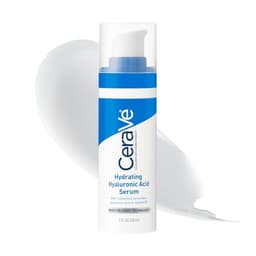
CeraVe Hyaluronic Acid Serum (B5 + Ceramides)
Hyaluronic acid with vitamin B5 and three ceramides, so it hydrates and helps hold that water in. Fragrance-free and non-tacky under a cream.
Best budget humectant
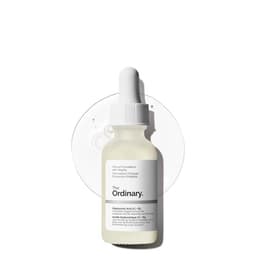
The Ordinary Hyaluronic Acid 2% + B5 (with Ceramides)
A stated 2% multi-weight hyaluronic acid with B5 for a few dollars. Slightly tacky, which is exactly why the sealing step is not optional with it.
$9.90 · View on AmazonPrice as of October 11, 2026. #ad How we’re funded
The seal
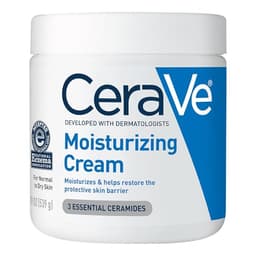
CeraVe Moisturizing Cream
Ceramides 1, 3 and 6-II with hyaluronic acid in a rich occlusive base. The step that makes the technique work rather than just feel nice for ten minutes.
$18.96 · View on AmazonPrice as of October 11, 2026. #ad How we’re funded
Where the idea comes from
Strip the name away and skin flooding is two pieces of long-standing advice stuck together. The first is that moisturizer works better on damp skin — the AAD’s dry-skin guidance is explicit about applying it to skin that is still damp after washing. The second is that moisturizing ingredients fall into categories that do different jobs: humectants such as hyaluronic acid and glycerin attract and bind water, emollients soften and fill gaps between cells, and occlusives form a film that slows water loss.
Once you know that, the technique is obvious. A humectant can only bind water that exists, so put it on while there is water on your face. And bound water still evaporates, so put something over it. “Flooding” is a good name for that sequence, which is probably why it spread.
What the name adds that is less helpful is the implication of volume — that more layers mean more hydration. They do not. Past two hydrating layers you get pilling, longer routines and no additional benefit, and pilling is the single most common complaint from people who try this after watching a video of someone applying five things.
Dehydration and dryness are not the same problem
This distinction decides whether flooding will help you, and it is worth thirty seconds.
| Dehydrated skin | Dry skin | |
|---|---|---|
| What is missing | Water | Lipids |
| How it feels | Tight, dull, fine lines more visible, can still be oily | Rough, flaky, sometimes itchy, rarely oily |
| Comes and goes? | Yes — a state, often from weather or a harsh cleanser | No — more of a skin type |
| Does flooding help? | Yes, noticeably and quickly | Partly — you still need the lipids, so the sealing layer matters more than the humectant |
If you are in the right-hand column, a ceramide-rich cream is doing most of the work and the humectant serum is a nice extra — see best moisturizers for dry skin. If you are in the left-hand column, flooding is close to a free upgrade on the routine you already own.
Who should skip it
Oily and congestion-prone skin
Three stacked layers under an occlusive cream is a reliable recipe for closed comedones on skin that clogs easily. Do the simplified version: damp skin, one humectant, a light gel-cream. The products are in best moisturizers for oily skin.
Anyone mid-way through an active routine
Flooding is a hydration technique and it does not conflict with anything, but adding three new products in a week is how you lose track of what your skin is reacting to. If you are also starting a retinol or an acid, get that established first — how to introduce new actives has the method.
People whose actual problem is their cleanser
If your skin feels tight within minutes of washing, the fix is upstream: a gentler, non-stripping cleanser, which the AAD’s face-washing guidance is clear about. No amount of layering compensates for a cleanser that removes your own lipids twice a day. Our guide to choosing a cleanser is the page to read before you buy a serum.
The honest limits
It is cosmetic and it is temporary.Water in the top layer of skin makes it look plumper and smoother for hours, not weeks. That is a genuine benefit — most of what people want from skincare on any given morning is to look well — but it resets daily, and nothing about it is cumulative in the way a retinoid is.
It does not treat anything. Not acne, not rosacea, not pigmentation, not wrinkles. If a page tells you a hydration technique fixes those, it is describing the before-and-after of a dehydrated face photographed in better light.
You do not need a new product for it.The three picks above are the same hyaluronic acid serum and ceramide cream this site recommends for everything else. Any brand selling a “flooding” kit is selling the name.
Two layers, not five. Worth repeating because it is the only part people get wrong: the benefit comes from the order and the damp skin, not the quantity.
Used with those caveats, it is one of the better things to come out of skincare trends — a technique that costs nothing, uses products you already own, and happens to be built on how moisturizers are actually understood to work. If you want the heavier overnight version, read what is slugging; if you want the full sequence it fits into, read skincare routine order.
General guidance, not medical advice. Barrier & Balm is written by a skincare enthusiast, not a dermatologist. For a diagnosis, a reaction, or a prescription active like tretinoin, see a qualified professional. Introduce any new active slowly and patch-test first.
Frequently asked questions
Does skin flooding actually work?
For hydration, yes — but it is not a new discovery. The mechanism is the standard one: a humectant binds water, so it works best when water is available, which is why damp skin matters; and an occlusive layer over the top reduces how fast that water evaporates. Dermatology references describe moisturizers in exactly these three roles. What flooding adds is a memorable name for doing it in the right order.
What is the difference between skin flooding and slugging?
Flooding is humectant-led: you add water and then trap it. Slugging is occlusive-only: you seal whatever is already there with a heavy ointment, usually overnight. They solve different halves of the same problem, and flooding plus a light seal is gentler on acne-prone skin than a petrolatum layer. Our slugging guide covers when the heavier version is worth it.
Can oily or acne-prone skin do skin flooding?
A simplified version. Use one humectant layer rather than two or three, and seal with a light gel-cream instead of a rich occlusive cream. Stacking multiple hydrating layers under an occlusive is a reliable way to get closed comedones on congestion-prone skin. If your skin is oily and also feels tight, the problem is usually a stripping cleanser rather than a missing layer.
How many layers should I use?
Two hydrating layers at most, then the moisturizer. Beyond that you are mostly creating pilling — the little rolls of product that appear when layers do not absorb — and the extra layers contribute nothing. Apply each one while the previous is still slightly tacky rather than fully dry.
Does hyaluronic acid dry out your skin?
It can behave that way if you apply it to dry skin in dry air and leave it uncovered — a humectant takes water from wherever it can, including the deeper layers of your own skin, and then that water evaporates. That is the whole reason this technique insists on damp skin and a seal. Used that way, the complaint disappears.
How often should I do it?
It is just how you moisturize, so twice a day is fine — it is not a treatment with a frequency. If you only want to do it once, do it at night, when there is no sunscreen to layer over the top and nothing to disturb it for eight hours.
Will skin flooding help with fine lines?
It makes dehydrated skin look better immediately, and some of what people read as fine lines genuinely is dehydration — those soften within a day. Actual photoaged lines are a collagen matter, and the topical class with real evidence for those is the retinoids. Hydration makes skin look plumper; it does not remodel it.
Sources
- Moisturizers — StatPearls (NCBI Bookshelf) — Reference on humectants (hyaluronic acid), occlusives and emollients (accessed July 17, 2026)
- American Academy of Dermatology — Dermatologists' top tips for relieving dry skin — AAD on moisturizing damp skin and choosing a cream for dry skin (accessed July 17, 2026)
- American Academy of Dermatology — Skin care basics — AAD consumer guidance on cleansing, moisturizing and sun protection (accessed July 17, 2026)
- American Academy of Dermatology — Face washing 101 — AAD guidance on gentle cleansing technique (accessed July 17, 2026)
Keep reading
What is slugging?
The occlusive-only version of the same idea, who it suits, and the skin it breaks out.
Read the guideHow to use hyaluronic acid
Damp skin, a seal, and the dry-climate caveat that explains most complaints about it.
Read the guideBest hyaluronic acid serums
The category ranked on stated percentages and what else is in the bottle.
See the picksHyaluronic acid vs glycerin
Two humectants that do the same job at very different prices.
Read the comparisonWhy is my skincare pilling?
The failure mode of layering, and the three causes behind almost all of it.
Read the guideHow to layer skincare
Thinnest to thickest, and where a hydrating step belongs in the full routine.
Read the guide