Barrier & Balm

Best Glycolic Acid Toners

Five leave-on glycolic acids from 3.5% to 10%, compared on the two numbers that decide whether an AHA works — the percentage, and the pH almost nobody publishes.

By Stephen V.Last updated How we pick

Glycolic acid is the smallest of the alpha hydroxy acids, and everything people love and hate about it follows from that. It moves into the skin faster than lactic or mandelic acid, it loosens the bonds between dead surface cells more efficiently, and it is the AHA most likely to sting on a face that wasn’t ready for it. Bought well, it is the cheapest meaningful upgrade in a routine. Bought badly, it is the reason someone spends a month with a raw, flaking barrier and concludes that “acids don’t work on my skin.”

Shopping for one is harder than it looks, because the number on the front of the bottle is only half the story. A glycolic acid’s strength depends on the concentration andthe pH the formula sits at — and while most brands will now print the percentage, almost none will print the pH. Two of the five picks below publish both. Three publish only the percentage. One popular toner publishes neither and hides an unstated amount of acid behind fragrance and dye, which is why it isn’t on this list at all.

We own no units and we run no lab, so nothing here is a testing claim. What follows is a read of published formulas, labeled strengths and who each one actually suits — with an honest drawback on every pick, a section on the ones we left off, and a plain answer to whether you need a glycolic toner in the first place. One of the five is a leave-on gel rather than a liquid, because it is the best-formulated way to buy this active and the format difference matters less than the formula. Prices below are live.

How this is funded: we earn a commission if you buy through our links, at no extra cost to you. It never changes which product we recommend, and we’ll tell you when we’d skip one. Full disclosure.

Quick picks

Ranked on formulation, stated concentration and buyer fit. Select a row to jump to the full write-up. We have not tested these products — here is exactly what we do instead.

#ProductBest forPrice
1
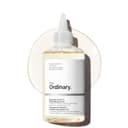
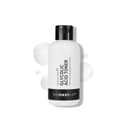
The Ordinary Glycolic Acid 7% Exfoliating Toner

The Ordinary Glycolic Acid 7% Exfoliating Toner

A cult budget AHA toner — a stated 7% glycolic for surface smoothing and glow. Potent for a 'toner'; it is a real exfoliant, so treat it like one and don't use it nightly at first.

Best overall
$13.50 · View on Amazon

Price as of September 5, 2026. #ad How we’re funded

2
The INKEY List 10% Glycolic Acid Toner

The INKEY List 10% Glycolic Acid Toner

The highest stated glycolic strength here, and one of only two toners on this page whose brand also publishes a pH range. That combination is what makes it recommendable rather than just strong — but the base is astringent, and The INKEY List itself says to keep it away from sensitive skin.

Best for oily, congested skin
$18.00 · View on Amazon

Price as of September 5, 2026. #ad How we’re funded

3
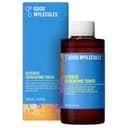
Good Molecules Glycolic Exfoliating Toner

Good Molecules Glycolic Exfoliating Toner

The only toner here that prints its glycolic percentage inside the ingredient list itself — 3.5%, which is deliberately low — and then spends the rest of the formula on niacinamide, hyaluronic acid and ferment filtrate. It is the one to start on, and the one to stay on if acids have gone badly for you before.

Best for sensitive skin
$14.00 · View on Amazon

Price as of September 5, 2026. #ad How we’re funded

4
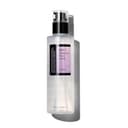
COSRX AHA 7 Whitehead Power Liquid

COSRX AHA 7 Whitehead Power Liquid

Ten ingredients, a stated 7% glycolic acid, and niacinamide and panthenol doing the soothing instead of a long list of extracts. If you react to fillers and want the shortest credible glycolic formula on the shelf, this is it — but COSRX labels it for experienced users, not for a first acid.

Best minimalist formula
$19.99 · View on Amazon

$22.009% off

Price as of September 5, 2026. #ad How we’re funded

5
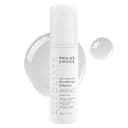
Paula's Choice SKIN PERFECTING 8% AHA Gel Exfoliant

Paula's Choice SKIN PERFECTING 8% AHA Gel Exfoliant

The same 8% glycolic idea in a leave-on gel rather than something you swipe on with a cotton pad — a fifteen-ingredient formula with chamomile, green tea, aloe and hyaluronic acid and nothing decorative in it. Per milliliter it is several times the price of our top pick, and what that buys is the format and the restraint, not a stronger acid.

Best gel alternative
$29.60 · View on Amazon

$37.0020% off

Price as of September 5, 2026. #ad How we’re funded

The picks in full

#1Best overall

The Ordinary Glycolic Acid 7% Exfoliating Toner

A cult budget AHA toner — a stated 7% glycolic for surface smoothing and glow. Potent for a 'toner'; it is a real exfoliant, so treat it like one and don't use it nightly at first.

Strengths

  • Stated 7% glycolic acid for a few dollars
  • Publishes a pH range of 3.5-3.9 as well as the percentage — the second number that decides how strong an acid actually is
  • Noticeable smoothing and radiance
  • Includes soothing aloe and ginseng

Trade-offs

  • Too strong for sensitive skin and for daily use at first
  • The brand's own instruction is not to use it on sensitive, peeling or compromised skin
  • Never combine with other strong acids or retinol the same night early on
Key activeGlycolic acid (AHA)
Stated concentration7%
FormatWatery toner
Fragrance-freeYes
Best forNormal, Oily, Resilient

Formulation note. 7% glycolic acid + aloe + ginseng + Tasmanian pepperberry (to reduce irritation). Water-soluble AHA works on the surface — good for glow, distinct from BHA's pore work. The Ordinary is one of the very few brands that also publishes the pH: it lists 3.5-3.9, describing it as "a carefully calibrated pH of approximately 3.6", and prints the FDA-recommended AHA sunburn alert in full.

Ingredients and claims read from the product listing, on August 24, 2026. “Not published” means the brand does not state that figure.

#2Best for oily, congested skin

The INKEY List 10% Glycolic Acid Toner

The highest stated glycolic strength here, and one of only two toners on this page whose brand also publishes a pH range. That combination is what makes it recommendable rather than just strong — but the base is astringent, and The INKEY List itself says to keep it away from sensitive skin.

Strengths

  • States 10% glycolic acid AND publishes a pH of 3.6-4.0, which almost no brand does
  • Fragrance-free, in a short formula with no dyes
  • 5% witch hazel water gives it a genuinely mattifying finish on oily skin

Trade-offs

  • Contains alcohol and witch hazel water — two astringents on top of a strong acid
  • The brand's own guidance is that sensitive skin should use a PHA instead
  • At the top of the published pH range there is less free acid than '10%' implies
  • Under half the volume of our top pick, at a higher price
Key activeGlycolic acid (AHA)
Stated concentration10%
FormatWatery liquid toner
Fragrance-freeYes
Best forOily, Combination, Normal, Acid-experienced

Formulation note. Glycolic acid second on the INCI, with witch hazel water, sodium hydroxide as the pH adjuster, alcohol, betaine and Boerhavia diffusa root extract. The brand publishes both figures that matter — 10% glycolic and a pH of 3.6-4.0 — and states plainly that it suits normal, combination and oily skin but not sensitive skin.

Ingredients and claims read from the product listing, on August 24, 2026. “Not published” means the brand does not state that figure.

#3Best for sensitive skin

Good Molecules Glycolic Exfoliating Toner

The only toner here that prints its glycolic percentage inside the ingredient list itself — 3.5%, which is deliberately low — and then spends the rest of the formula on niacinamide, hyaluronic acid and ferment filtrate. It is the one to start on, and the one to stay on if acids have gone badly for you before.

Strengths

  • Glycolic acid is listed as '3.5%' directly in the INCI — disclosure most brands never attempt
  • Niacinamide, sodium hyaluronate, hyaluronic acid and galactomyces ferment filtrate soften the trade-off
  • Fragrance-free and alcohol-free
  • 120 ml at a genuinely low price

Trade-offs

  • 3.5% is low — if you have used acids for years this will feel like nothing is happening
  • No pH published
  • Also contains salicylic acid, so it is not a clean single-acid product if you are layering
  • Costs more per milliliter than our 7% top pick despite being weaker
Key activeGlycolic acid (AHA) + salicylic acid (BHA)
Stated concentration3.5% glycolic
FormatWatery, slightly slippy toner
Fragrance-freeYes
Best forSensitive, Normal, Combination, Acid-beginner

Formulation note. Water, dipropylene glycol and then 'Glycolic Acid (3.5%)' spelled out on the ingredient list, with sodium citrate buffering it, plus salicylic acid, niacinamide, galactomyces ferment filtrate, aloe, sodium hyaluronate and hyaluronic acid. Labeled alcohol-free and fragrance-free. No pH is published.

Ingredients and claims read from the product listing, on August 24, 2026. “Not published” means the brand does not state that figure.

#4Best minimalist formula

COSRX AHA 7 Whitehead Power Liquid

Ten ingredients, a stated 7% glycolic acid, and niacinamide and panthenol doing the soothing instead of a long list of extracts. If you react to fillers and want the shortest credible glycolic formula on the shelf, this is it — but COSRX labels it for experienced users, not for a first acid.

Strengths

  • Stated 7% glycolic acid in a ten-ingredient formula
  • Niacinamide, panthenol and sodium hyaluronate are the only support actives, and all three earn their place
  • No fragrance, no dye, no alcohol on the ingredient list
  • 100 ml at a drugstore price

Trade-offs

  • No pH published, so the effective strength is unknowable from the label
  • COSRX's own page marks it 'best for experienced users' — this is not a starter acid
  • The apple fruit water base is a marketing flourish; it is doing the job water would
  • Nothing occlusive in the formula, so dry skin will need a moisturizer straight after
Key activeGlycolic acid (AHA)
Stated concentration7%
FormatThin, slightly slippy liquid
Fragrance-freeYes
Best forOily, Combination, Congestion-prone, Acid-experienced

Formulation note. The whole INCI is apple fruit water, butylene glycol, glycolic acid, niacinamide, sodium hydroxide, 1,2-hexanediol, panthenol, sodium hyaluronate, xanthan gum and ethyl hexanediol. COSRX publishes the 7% glycolic figure but not a pH, and directs daytime users to follow with a broad-spectrum SPF 30 or higher.

Ingredients and claims read from the product listing, on August 24, 2026. “Not published” means the brand does not state that figure.

#5Best gel alternative

Paula's Choice SKIN PERFECTING 8% AHA Gel Exfoliant

The same 8% glycolic idea in a leave-on gel rather than something you swipe on with a cotton pad — a fifteen-ingredient formula with chamomile, green tea, aloe and hyaluronic acid and nothing decorative in it. Per milliliter it is several times the price of our top pick, and what that buys is the format and the restraint, not a stronger acid.

Strengths

  • States an exact 8% glycolic acid
  • Short, fragrance-free, dye-free formula with chamomile, green tea, panthenol, sodium PCA and sodium hyaluronate
  • Gel texture means no cotton pad and no product thrown away on the pad
  • Cushioned enough that it does not need a buffering moisturizer underneath

Trade-offs

  • Does not publish a pH, so the number on the front is only half the picture
  • Comfortably the most expensive option here per milliliter, for one extra percentage point of acid
  • Paula's Choice itself steers sensitive skin to a BHA instead of this
  • A gel layer is harder to apply thinly than a swipe, so it is easier to overuse
Key activeGlycolic acid (AHA)
Stated concentration8%
FormatLightweight leave-on gel
Fragrance-freeYes
Best forNormal, Dry, Combination, Sun-damaged

Formulation note. Glycolic acid second on the INCI with sodium hydroxide as the pH adjuster, then chamomile flower extract, aloe leaf juice, green tea leaf extract, sodium PCA, panthenol and sodium hyaluronate in a cellulose-thickened gel. Fifteen ingredients, no fragrance and no dyes. The brand publishes the 8% but not the pH.

Ingredients and claims read from the product listing, on August 24, 2026. “Not published” means the brand does not state that figure.

How we judged these

Every product on this page is real, currently sold and in stock on the day we checked. The ranking runs on four criteria, in this order:

1. Does the brand publish the strength — and the pH? A percentage on its own tells you something. A percentage plus a pH range tells you almost everything. Brands that publish both are handing you the information you need to compare their product against a rival’s, and that deserves to be rewarded. 2. What is the acid sitting in? Glycolic acid disrupts the skin surface; that is the mechanism, not a side effect. A formula that pairs it with niacinamide, panthenol, hyaluronic acid or a soothing extract gives skin something back. A formula that pairs it with alcohol and an astringent is pulling in two directions at once. 3. Fragrance and dye. You are deliberately making your skin more permeable and more reactive. Perfume adds nothing to that and can add a reaction, and a colorant adds nothing at all. A fragranced glycolic toner is marked down here on principle. 4. Cost against how you will use it. Nobody should be using a strong AHA every night from day one, so a 240 ml bottle is not four times as useful as a 60 ml one. What matters is price per milliliter against the strength you will actually settle at.

One thing we deliberately did not reward: a higher number. There is no prize on this page for being the strongest, and our top pick is not the strongest option here.

The number on the bottle is only half the story

Glycolic acid is an acid, which means that in a water-based formula it exists in an equilibrium between two forms: the free acid, which is what exfoliates, and its salt (glycolate), which largely doesn’t. Which way that equilibrium tips is set by the pH of the formula. Lower the pH and more of the acid stays in its active free form; raise the pH toward neutral and more of it converts to the salt, and the product gets milder no matter what the front of the bottle says.

The practical consequence is unintuitive but worth internalizing: a 10% glycolic at a high pH can be gentler on your face than a 7% at a low one. The percentage tells you how much acid is in the bottle. The pH tells you how much of it is doing anything. Comparing two toners on percentage alone is like comparing two cars on engine size without knowing whether either is in gear.

This is exactly why the disclosure criterion sits first. Of the five picks here, only The Ordinary and The INKEY List publish a pH range — The Ordinary states a pH of 3.5–3.9 for the 7% toner and describes it on its own product page as “a carefully calibrated pH of approximately 3.6,” and The INKEY List states 3.6–4.0 for the 10%. Paula’s Choice, COSRX and Good Molecules all publish their percentages and stop there. None of that makes the other three bad products — two of them are on this page precisely because their formulas are excellent — but it does mean you are trusting the brand on the half of the equation you can’t check.

It also means the strength ladder below is a rough guide rather than a precise ranking. Where a pH is published we can be confident. Where it isn’t, we are reading the formula and the brand’s own positioning. We would rather say that plainly than pretend to a precision the labels don’t support. The same disclosure problem runs through most of this category — it is the reason our retinol cream roundupspends half its length on brands that won’t state a strength, and the reason our salicylic acid cleanser roundup treats the one shelf where the law forces disclosure as a small miracle.

Which strength do you actually need?

3.5% — the starting point. Low enough that you can use it several nights a week fairly quickly, and low enough that it will disappoint anyone expecting a peel. That is the point. If acids have gone badly for you before, or you are pairing this with a retinoid, this is the band to buy in. The Good Molecules toner is here, and it spends the rest of its formula on niacinamide, hyaluronic acid and ferment filtrate rather than on more acid.

7% — the sweet spot for most people. Enough to visibly smooth surface texture and even out tone over a few weeks, not so much that skin has no margin for error. Both The Ordinary and COSRX sit here, and between them they cover the two things people want from this tier: the cheapest credible option per milliliter, and the shortest credible ingredient list.

8–10% — the top of the consumer range.This is about as strong as a leave-on AHA gets outside a professional peel, and the gap between 7% and 10% is smaller than it sounds — particularly when the 10% sits at a higher pH than the 7%, which is the case here. Buy in this band because you have used acids for a year and plateaued, not because you want faster results. Faster results are what the 3.5% is protecting you from.

And a note on the direction of travel: it is very easy to move up a tier and very unpleasant to move back down after you have overdone it. Starting at 3.5% and stepping up in two months costs you almost nothing. Starting at 10% and spending three weeks repairing your barrier costs you the two months anyway, plus the money. Our guide to adding exfoliation to a routine walks through the ramp.

Two toners we didn’t pick, and why

Mario Badescu Glycolic Acid Toner.One of the most recognized names in this category and a genuine long-seller, but it fails the first two criteria on this page outright. Mario Badescu does not publish a percentage or a pH, so you have no way to know how strong it is. Its published ingredient list includes fragrance along with linalool, hexyl cinnamal, limonene, citronellol and geraniol — a full suite of fragrance allergens — plus methyl- and propylparaben and three colorants (Blue 1, Yellow 5, Red 28). The brand’s own page warns against using it on sensitive or acne-erupted skin and alongside prescription retinoids. Nothing in that combination is illegal or unusual; it just isn’t what we would put on skin we had deliberately made more permeable, and we would not buy an unquantified acid when three of the picks above tell you the number.

Pixi Glow Tonic.The toner that arguably created this category, and the one readers ask about most. It isn’t here for a duller reason: on the day we checked, Amazon had no reliably stocked full-size US listing. The 15 ml sample size, the to-go pads and the cleansing gel were all in stock; the 100 ml and 250 ml bottles were not. We only feature products a reader can actually add to a cart, so it is left off rather than linked to a listing that may not resolve. If you already buy it elsewhere and get on with it, there is nothing wrong with the product — its listing states a 5% glycolic acid, which puts it between our gentlest pick and the 7% tier.

A third category we avoided entirely: toners advertising a “natural AHA blend” whose ingredient list names fruit or sugar-cane extracts rather than glycolic acid itself. There is no way to know the free acid content of such a formula from the outside, and a botanical name is not a dose. If a product wants credit for containing an acid, it can name the acid.

How to use one without wrecking your barrier

A glycolic toner goes on after cleansing, before everything else — onto skin that is dry, not damp, because water dilutes the formula and makes the dose you actually applied unknowable. Two or three swipes with a cotton pad is plenty for a whole face; the leave-on gel goes on as a thin layer with fingers. Wait a minute, then carry on with the rest of your routine. There is no need to rinse it off and no need for a “neutralizing” step, which is a professional-peel concept that has no place in a home routine.

Start at two nights a weekwhatever strength you have bought, and hold there for a fortnight before adding a third. A brief tingle on application is normal; stinging, burning or a lingering flush is not. If your skin feels tight the next morning, that is not the product working — that is one use too many, and the fix is to go back a night rather than push through.

The things not to stack on the same night are the obvious ones: a retinoid, a second exfoliating acid, or benzoyl peroxide. Alternate nights instead. Niacinamide, hyaluronic acid, peptides and a plain moisturizer are all fine either side of it, and a good moisturizer afterwards is the single thing that makes an acid routine sustainable. Our guide to what not to mix with AHAs and BHAs has the full conflict matrix, and signs of over-exfoliation is the page to read if you are already wondering whether you have gone too far.

The sunscreen part is not optional

AHAs increase the skin’s sensitivity to UV, and the FDA’s guidance to manufacturers is that AHA cosmetics carry a sunburn alert saying so. You can read the exact wording on The Ordinary’s own product page, which prints it in full: the product “may increase your skin’s sensitivity to the sun and particularly the possibility of sunburn,” and advises sunscreen, protective clothing and limited sun exposure while using it and for a week afterwards.

That last clause is the one people miss. The sensitivity does not end when the bottle goes back in the cupboard. If you are not already wearing a daily SPF, adding a glycolic acid is a bad trade — you are speeding up cell turnover to improve tone while making the thing that ruins tone more damaging. Buy the sunscreen first. Our face sunscreen picks are the place to start, and how much sunscreen to apply covers the part almost everyone gets wrong.

Do you even need a glycolic toner?

Honestly: many people don’t, and it is worth saying so on a page that earns money when you buy one. If your main complaint is breakouts and clogged pores rather than dullness and rough texture, salicylic acid is the better match, because it is oil-soluble and gets into a pore lined with sebum in a way glycolic can’t — our glycolic acid vs salicylic acid comparison walks through which complaint belongs to which acid. If your skin is dry or reactive, lactic or mandelic acid does a similar job more slowly and more kindly. And if what you actually want is fewer fine lines rather than smoother surface texture, a retinoid has far more evidence behind it than any AHA — see retinol vs glycolic acid.

Where glycolic earns its place is a specific complaint: skin that looks dull, feels slightly rough to the fingertips, and holds onto post-inflammatory marks longer than it should. That is the job it does better and faster than the alternatives. If that is not your complaint, the honest advice is to spend the money on sunscreen and a moisturizer you will actually use.

The short answer

Buy The Ordinary Glycolic Acid 7% Exfoliating Tonerunless something specific pushes you elsewhere. It publishes both numbers that matter, it is the cheapest per milliliter of anything here, and 7% is where most people end up anyway. If your skin is oily and congested and you have already used acids for a while, the INKEY List 10% is the step up — just be aware you are also buying witch hazel and alcohol. If acids have burned you before, start at Good Molecules’ 3.5% and be patient. If you want the shortest possible ingredient list, take the COSRX. And if you would rather have a leave-on gel than a cotton pad, the Paula’s Choice 8% is the best-made version of that idea — at a considerable premium per milliliter.

Whichever you buy, the exfoliant is the third-most-important thing in your routine at best. A cleanser, a moisturizer and a daily sunscreen do most of the work; an acid makes the result arrive a little sooner and look a little brighter. Buying the acid first is the most common expensive mistake in skincare.
Frequently asked questions

Is a higher percentage of glycolic acid always stronger?

No. A glycolic acid's real strength depends on the concentration and the pH of the formula together, because pH decides how much of the acid stays in its active free form rather than converting to its inactive salt. A 10% at a higher pH can be milder in practice than a 7% at a lower one. That's why we rank brands that publish a pH range above brands that only publish a percentage — of the picks here, only The Ordinary (pH 3.5-3.9) and The INKEY List (pH 3.6-4.0) tell you both.

How often should I use a glycolic acid toner?

Start at two nights a week regardless of strength, and hold there for at least two weeks before adding a third night. Most people settle between three nights a week and every other night. A brief tingle on application is normal; tightness the next morning, stinging or a lingering flush means you have used it too often, and the fix is to drop back a night rather than push through it.

Can I use a glycolic toner with retinol?

Not on the same night while you are building tolerance. Alternate them — acid one night, retinoid the next — and only consider combining once both have been comfortable on their own for a couple of months. Even then, most people get no extra benefit from stacking them and a lot of extra irritation. Niacinamide, hyaluronic acid, peptides and plain moisturizer are all fine to use alongside a glycolic toner.

Glycolic acid or salicylic acid — which should I buy?

Match the acid to the complaint. Glycolic is water-soluble and works on the skin surface, so it suits dullness, rough texture and uneven tone. Salicylic is oil-soluble and gets into a sebum-filled pore, so it suits blackheads, whiteheads and congestion. If you have both problems, most people are better served by picking one and using it consistently than by buying both and using each badly.

Do I have to wear sunscreen with a glycolic acid toner?

Yes, and the FDA's guidance for AHA cosmetics is explicit about why: AHAs increase the skin's sensitivity to the sun and the possibility of sunburn, and the recommended label warning covers use of the product and the week afterwards. If you are not already wearing a daily broad-spectrum SPF, add that first and the acid second — otherwise you are speeding up turnover to improve tone while making the main cause of uneven tone more damaging.

Should I use a glycolic toner on dry skin or damp skin?

Dry. Applying an acid to damp skin dilutes it by an unknown amount, which means you no longer know what dose you used — and it can also increase penetration unpredictably. Cleanse, let your face dry for a minute, then apply. The opposite advice applies to moisturizer, which does go on slightly damp skin.

Can I use a glycolic acid toner on my chest, neck or arms?

The neck and chest, yes, and they often need it more than the face does — just go slower, because the skin there is thinner and less forgiving. For rough, bumpy arms and thighs, a dedicated body formulation is a better buy than decanting a facial toner: the areas are large, the skin is thicker, and you will get through a 100 ml face bottle in a fortnight. Whatever you treat, the sun-sensitivity warning applies to it too.

Sources

Keep reading