Barrier & Balm

Best Azelaic Acid Products

The over-the-counter 10% azelaic acids worth buying for redness, rosacea, bumps and dark marks, compared on the form of the acid, formulation and feel.

By Stephen V.Last updated How we pick

Azelaic acid is one of the most quietly useful actives in skincare: it calms the redness of rosacea, helps with mild breakouts, and fades the brown post-acne marks left behind — and it is gentle enough that reactive and rosacea-prone skin usually tolerate it when they can’t tolerate much else. The catch is that “azelaic acid” on a label can mean two different things. Most over-the-counter products use free azelaic acid at 10%, the form with the direct clinical evidence. A few use a gentler derivativeinstead and still print “10%” on the front — smoother to wear, but not the same molecule the studies used.

So the first thing we compare on is the form of the acid, then the formulation around it: is it a plain single active or does it add niacinamide, vitamin C or a BHA; how does the texture feel and does it pill; is it fragrance-free; and what does it cost. Every option below is a real, currently sold 10% product you can buy today — we don’t list prescription-strength azelaic, because that isn’t something you buy off a shelf. Prices sit in qualitative brackets here; the live number is on each buy button. Whichever you pick, azelaic is a slow, steady active — give it a couple of months.

How this is funded:we earn a commission if you buy through our links, at no extra cost to you. It never changes which product we recommend, and we’ll tell you when we’d skip one. Full disclosure.

Quick picks

Ranked on formulation, stated concentration and buyer fit. Select a row to jump to the full write-up. We have not tested these products — here is exactly what we do instead.

#ProductBest forPrice
1
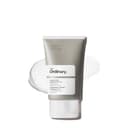
The Ordinary Azelaic Acid Suspension 10%

The Ordinary Azelaic Acid Suspension 10%

A multitasker with genuine evidence for redness, bumps and post-acne marks — and one of the few actives that's usually fine for rosacea-prone skin. A stated 10%, for a few dollars.

Best overall
$9.76 · View on Amazon

$12.2020% off

Price as of August 4, 2026. #ad How we’re funded

2
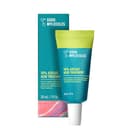
Good Molecules 10% Azelaic Acid Treatment

Good Molecules 10% Azelaic Acid Treatment

Free 10% azelaic acid in a smooth, fragrance-free cream for barely more than the cheapest suspension — the value pick that fixes the classic grainy-texture complaint.

Best budget alternative
$11.99 · View on Amazon

Price as of August 4, 2026. #ad How we’re funded

3
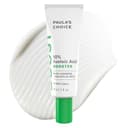
Paula's Choice BOOST 10% Azelaic Acid Booster

Paula's Choice BOOST 10% Azelaic Acid Booster

A polished cream-gel that pairs free 10% azelaic acid with 0.5% salicylic acid, so it works on bumps, blackheads and dark marks at once. The most refined free-azelaic formula here — at a premium price.

Best for blemish-prone skin
$39.00 · View on Amazon

Price as of August 4, 2026. #ad How we’re funded

4
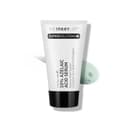
The INKEY List SuperSolutions 10% Azelaic Acid Serum

The INKEY List SuperSolutions 10% Azelaic Acid Serum

A stripped-back, lightweight serum built around free 10% azelaic acid with a short, allergen-conscious ingredient list. The easiest free-azelaic formula to wear if the classic suspension feels heavy.

Best for sensitive, redness-prone skin
$20.00 · View on Amazon

Price as of August 4, 2026. #ad How we’re funded

5
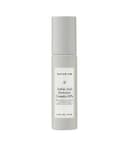
Naturium Azelaic Topical Acid 10%

Naturium Azelaic Topical Acid 10%

The most elegant option here — a silky gel that pairs a 10% azelaic acid derivative with niacinamide and vitamin C. Just know it uses potassium azeloyl diglycinate, a gentler derivative, not the free acid the classic studies used.

Best gentle everyday option
$19.88 · View on Amazon

Price as of August 4, 2026. #ad How we’re funded

The picks in full

#1Best overall

The Ordinary Azelaic Acid Suspension 10%

A multitasker with genuine evidence for redness, bumps and post-acne marks — and one of the few actives that's usually fine for rosacea-prone skin. A stated 10%, for a few dollars.

Strengths

  • Stated 10% azelaic acid — good evidence for redness and pigmentation
  • Generally well-tolerated by rosacea-prone skin
  • Can be layered with most other actives

Trade-offs

  • Silicone suspension has a distinctive, slightly grainy feel
  • Can pill under some sunscreens if over-applied
Key activeAzelaic acid
Stated concentration10%
FormatSilicone cream-gel
Fragrance-freeYes
Best forRosacea-prone, Blemish-prone, Sensitive

Formulation note. 10% azelaic acid. Evidence supports it for rosacea redness, mild acne and pigmentation, and it's gentle enough for reactive skin — an unusually broad, well-tolerated active.

Ingredients and claims read from the product listing, on July 17, 2026. “Not published” means the brand does not state that figure.

#2Best budget alternative

Good Molecules 10% Azelaic Acid Treatment

Free 10% azelaic acid in a smooth, fragrance-free cream for barely more than the cheapest suspension — the value pick that fixes the classic grainy-texture complaint.

Strengths

  • Free 10% azelaic acid at a rock-bottom price
  • Creamier, smoother finish than the classic silicone suspension
  • Fragrance-free, with no common allergens, parabens or silicones

Trade-offs

  • A plain single-active formula — no bonus niacinamide or soothers
  • Newer and less widely stocked than the established names
Key activeAzelaic acid
Stated concentration10%
FormatLightweight cream
Fragrance-freeYes
Best forBlemish-prone, Sensitive, Normal

Formulation note. Free azelaic acid at a stated 10% in a simple cream base (caprylic/capric/succinic triglyceride, behenyl alcohol, passionfruit seed oil). Fragrance-free and free of common allergens and silicones — a smoother-textured, single-active take on the classic 10% suspension.

Ingredients and claims read from the product listing, on August 3, 2026. “Not published” means the brand does not state that figure.

#3Best for blemish-prone skin

Paula's Choice BOOST 10% Azelaic Acid Booster

A polished cream-gel that pairs free 10% azelaic acid with 0.5% salicylic acid, so it works on bumps, blackheads and dark marks at once. The most refined free-azelaic formula here — at a premium price.

Strengths

  • Free 10% azelaic acid plus 0.5% salicylic acid (BHA) for congestion and tone together
  • Cushiony, fragrance-free cream-gel that layers or mixes into a moisturizer
  • Licorice, allantoin and bisabolol round it out for reactive skin

Trade-offs

  • Easily the priciest option for a 10% azelaic
  • The added salicylic acid can be too much stacked with other exfoliants — don't double up
Key activeAzelaic acid + salicylic acid (BHA)
Stated concentration10% azelaic + 0.5% salicylic
FormatCream-gel booster
Fragrance-freeYes
Best forBlemish-prone, Combination, Sensitive

Formulation note. Free azelaic acid at a stated 10% with 0.5% salicylic acid, plus adenosine, licorice root extract, allantoin and bisabolol. Fragrance-free and oil-free; designed to be used on its own or mixed into a serum or moisturizer.

Ingredients and claims read from the product listing, on August 3, 2026. “Not published” means the brand does not state that figure.

#4Best for sensitive, redness-prone skin

The INKEY List SuperSolutions 10% Azelaic Acid Serum

A stripped-back, lightweight serum built around free 10% azelaic acid with a short, allergen-conscious ingredient list. The easiest free-azelaic formula to wear if the classic suspension feels heavy.

Strengths

  • Free 10% azelaic acid in a genuinely lightweight, fast-absorbing serum
  • Short 16-ingredient list, fragrance-free and free of common allergens
  • Allantoin helps keep it calm on reactive skin

Trade-offs

  • Focused squarely on redness — fewer bonus actives than the multitaskers
  • Free azelaic can still tingle at first on very reactive skin
Key activeAzelaic acid
Stated concentration10%
FormatLightweight serum
Fragrance-freeYes
Best forSensitive, Redness-prone, Combination

Formulation note. Free azelaic acid at a stated 10% in a short, 16-ingredient formula with allantoin and gardenia extract. No fragrance, harsh alcohols, oils or common allergens — built for reactive skin that finds the suspension heavy.

Ingredients and claims read from the product listing, on August 3, 2026. “Not published” means the brand does not state that figure.

#5Best gentle everyday option

Naturium Azelaic Topical Acid 10%

The most elegant option here — a silky gel that pairs a 10% azelaic acid derivative with niacinamide and vitamin C. Just know it uses potassium azeloyl diglycinate, a gentler derivative, not the free acid the classic studies used.

Strengths

  • Silky, velvety gel that layers cleanly and never pills
  • Adds niacinamide and a vitamin C derivative for extra tone work
  • Fragrance-free and genuinely gentle for everyday use

Trade-offs

  • Uses an azelaic acid derivative (potassium azeloyl diglycinate), not the free acid with the direct clinical evidence
  • The 10% on the label is the derivative complex, so it isn't comparable to 10% free azelaic acid
Key activeAzelaic acid derivative (potassium azeloyl diglycinate) + niacinamide + vitamin C
Stated concentration10% (derivative complex)
FormatSilky gel-serum
Fragrance-freeYes
Best forSensitive, Redness-prone, Normal

Formulation note. The 10% is a glycerinated azelaic complex (potassium azeloyl diglycinate) — a derivative that is more soluble and cosmetically elegant than free azelaic acid — alongside niacinamide, ethyl ascorbic acid (a vitamin C derivative) and sodium hyaluronate. Gentler and nicer to wear, but the derivative has less direct trial evidence than free azelaic acid at the same number.

Ingredients and claims read from the product listing, on August 3, 2026. “Not published” means the brand does not state that figure.

How we picked

We don’t test these in a lab — we own no units and would never pretend otherwise (here is exactly what we do instead). What we do is read each formula against the published evidence for azelaic acid and rank it on the things that actually change the result: the form and concentration of the acid, the supporting ingredients, the texture (the single most common complaint about azelaic), whether it is fragrance-free, and value. A cheap, plain 10% that you’ll actually use nightly beats a beautiful one that sits in the drawer.

What azelaic acid actually does

Azelaic acid is a dicarboxylic acid that works in a few directions at once, which is what makes it such a good multitasker. It is anti-inflammatory, which calms the flushing and papules of rosacea; it is mildly antimicrobial and helps normalize the way pores shed cells, which helps with mild acne; and it inhibits tyrosinase, the enzyme behind excess pigment, which is why it fades the dark marks acne leaves behind. A comprehensive review of azelaic acid found its rosacea results comparable to topical metronidazole, a common prescription option — strong company for something you can buy without a prescription.

Two things make it stand out from the other acids on this site. First, it is genuinely gentle: unlike an AHA or a retinoid, azelaic doesn’t thin the outer skin or meaningfully raise sun sensitivity, so it suits people whose skin reacts to almost everything. Second, it plays well with others — you can layer it with niacinamide, hyaluronic acid, or a vitamin C, which is why it slots so easily into an existing routine. If you want the full background, our azelaic acid explainer goes deeper on the science.

Free azelaic acid vs a derivative — the label trick to know

This is the distinction most “best azelaic” lists skip, and it’s the reason two products can both say “10%” and behave differently. Free azelaic acidis the raw active used in the clinical studies. It works, but it is poorly soluble, which is why The Ordinary’s classic version is a thick, faintly gritty suspension that some people find pills under sunscreen. To get around that, some brands use a derivative— most often potassium azeloyl diglycinate — which dissolves cleanly into a silky gel and feels far nicer. Naturium’s Azelaic Topical Acid is the example here.

The honest trade-off: derivatives are gentler and more elegant, but they are not the same molecule the trials measured, and a “10%” derivative complex is not equivalent to 10% free acid. Neither is wrong. If you want the evidence-backed active and don’t mind the texture, choose a free-acid formula. If your priority is a gentle, cosmetically beautiful product you’ll happily use every day, a derivative is a reasonable pick — just go in knowing what you’re buying. Reading the front of the bottle isn’t enough; this is exactly the kind of thing our guide to reading ingredient labels is about.

OTC 10% vs prescription strength

Every product on this page is 10%, because that is the ceiling for over-the-counter azelaic acid. Prescription azelaic — the 15% gel and 20% cream a dermatologist can prescribe — is stronger and is the route for moderate rosacea or acne that a 10% isn’t touching. You can’t buy those off a shelf, and we won’t list them as if you can. If your redness or breakouts are significant, the sensible move is to start with a 10% for tone and maintenance and talk to a dermatologist about whether a prescription strength is worth it. A 10% is a genuinely useful maintenance active; it just isn’t a substitute for medical treatment when you need it.

How to use azelaic acid

Azelaic is refreshingly low-drama to use. Apply a thin layer to clean, dry skin once or twice a day, after any watery serums and before your moisturizer. Start once daily — or every other day if your skin is reactive — and build up. It can cause a little tingling or dryness in the first couple of weeks as skin adjusts; that usually settles. Because it doesn’t raise sun sensitivity the way acids and retinoids do, azelaic is fine in the morning, but daily sunscreen still matters, especially if you’re using it on dark marks — UV undoes pigment work faster than anything you can apply. Our full how to use azelaic acid guide covers timing and layering in detail.

It layers easily with the actives most people already own. Azelaic and niacinamide togetheris a calming, brightening pairing for redness and marks, and azelaic sits comfortably alongside a vitamin C or a retinoid on separate steps. The one thing to watch is doubling up on exfoliation: if you choose the Paula’s Choice booster, which already includes salicylic acid, don’t stack another strong acid on top the same night.

Who should skip it (for now)

Azelaic is one of the safer actives, but it isn’t magic. If your main concern is deep wrinkles or firmness, a retinoid or vitamin C is a better use of the step — azelaic’s strengths are tone and calm, not collagen. If you have active, painful, cystic acne, a 10% won’t be enough on its own; see a dermatologist. And if your skin is currently raw or over-exfoliated, get the barrier back to baseline before adding any acid. For where azelaic fits against the other options, our comparisons of azelaic vs niacinamide, azelaic vs vitamin C and salicylic acid vs azelaic lay out who each one suits.
Frequently asked questions

Does azelaic acid make your skin more sensitive to the sun?

No. Unlike AHAs and retinoids, azelaic acid does not thin the outer skin or meaningfully increase photosensitivity, so it is fine to use in the morning. You still want daily sunscreen anyway, especially when you are using it to fade dark marks, because UV drives the pigment you are trying to reduce.

Is a 10% azelaic acid derivative as good as 10% free azelaic acid?

Not equivalently. Free azelaic acid is the form used in the clinical studies. Derivatives like potassium azeloyl diglycinate are gentler and feel much nicer, but a 10% derivative complex is not the same as 10% free acid, and it has less direct trial evidence. Choose a free-acid product for the evidence-backed active, or a derivative if a silky everyday texture matters more to you.

Can you use azelaic acid with retinol, niacinamide or vitamin C?

Yes. Azelaic is one of the most cooperative actives there is. It layers well with niacinamide and hyaluronic acid, and it sits fine alongside a vitamin C or a retinoid on separate steps. The only caution is not to pile it on top of other strong exfoliating acids the same night, particularly if your azelaic product already contains a BHA.

How long does azelaic acid take to work?

It is a slow, steady active. Redness and breakouts often ease over four to eight weeks, while dark marks and uneven tone take longer, usually a couple of months of consistent daily use. If you have not seen any change after three months of regular use, it may be worth talking to a dermatologist about a prescription strength.

What is the strongest azelaic acid you can buy without a prescription?

10% is the practical over-the-counter ceiling, and every product here is a 10%. Prescription azelaic comes as a 15% gel or a 20% cream and is the route for stubborn rosacea or acne, but you cannot buy those off a shelf - a dermatologist has to prescribe them.

Sources

Keep reading