Barrier & Balm

Best Squalane Oils

Every bottle here contains one ingredient, so the only things left to compare are where the squalane comes from and what you pay per milliliter. Two brands name the plant. Three don't.

By Stephen V.Last updated How we pick

Squalane is the rare skincare ingredient with nothing to argue about. It is the stable, hydrogenated form of squalene, a lipid your own skin already produces as part of its sebum, which is why it absorbs without the greasy film most facial oils leave and why even oily skin generally tolerates it. There is no concentration to optimize, no pH to worry about, no ramp-up period and no conflict list. Buying it is about the only genuinely simple decision in a skincare routine.

Which creates an odd problem for a roundup: when every bottle contains exactly one declared ingredient, the formula cannot be the thing you compare. So we compared the two things that actually differ. The first is the feedstock — squalane was historically rendered from shark liver and is now made from either sugarcane or olives, and only two of these five brands will tell you which they used. The second is cost per milliliter, where the spread between these bottles is roughly fivefold for a chemically identical molecule. Every pick is real, currently sold, and carries honest drawbacks. Prices below are live.

How this is funded: we earn a commission if you buy through our links, at no extra cost to you. It never changes which product we recommend, and we’ll tell you when we’d skip one. Full disclosure.

Quick picks

Ranked on formulation, stated concentration and buyer fit. Select a row to jump to the full write-up. We have not tested these products — here is exactly what we do instead.

#ProductBest forPrice
1
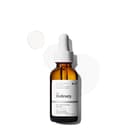
The Ordinary 100% Plant-Derived Squalane

The Ordinary 100% Plant-Derived Squalane

One ingredient, named feedstock, non-comedogenic claim on the brand's own page, and a price that makes squalane a default rather than a treat. The Ordinary states the squalane is derived from sugar cane, which is the disclosure that matters in this category — it rules out shark-derived squalene and tells you the fatty-acid profile you are getting.

Best overall
$10.40 · View on Amazon

Price as of October 22, 2026. #ad How we’re funded

2
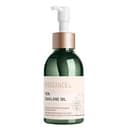
Biossance 100% Squalane Oil

Biossance 100% Squalane Oil

The big bottle, and the one with the most to say about where its squalane comes from: Biossance states sugarcane-derived, explicitly not olive and not shark liver, and the product carries acceptance from the National Eczema Association. At roughly 100 ml it is the best cost per ml of any pick here if you use squalane on your body or hair as well as your face.

Best documented sourcing
$34.00 · View on Amazon

Price as of October 22, 2026. #ad How we’re funded

3
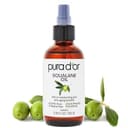
PURA D'OR Pure Squalane Oil

PURA D'OR Pure Squalane Oil

A 100 ml bottle at roughly the price of a 30 ml one, which makes it the lowest cost per ml on this page. What you give up for that is disclosure: the listing says pure, vegan and cruelty-free squalane but does not name the feedstock, and the brand publishes no non-comedogenic or fragrance-free claim. A sensible body-and-hair bottle; not the one to buy if you want the sourcing documented.

Best cost per ml
$11.98 · View on Amazon

$14.9920% off

Price as of October 22, 2026. #ad How we’re funded

4
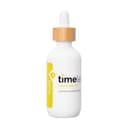
Timeless Squalane Oil 100% Pure

Timeless Squalane Oil 100% Pure

The olive-derived option, in the 60 ml middle size that most people actually finish. Retailer listings for Timeless consistently name olive as the feedstock, which is the one meaningful difference between squalane oils: chemically the finished molecule is the same either way, but if you have reacted to olive-derived skincare before, this is the bottle to skip and the sugarcane ones to buy.

Best mid-size bottle
$17.95 · View on Amazon

Price as of October 22, 2026. #ad How we’re funded

5
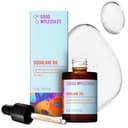
Good Molecules Squalane Oil

Good Molecules Squalane Oil

The cheapest way to find out whether you like squalane at all: a 13 ml bottle of a single plant-derived ingredient for less than a sandwich. Good Molecules does not name which plant, which is the one thing the better-disclosed bottles here do tell you — so buy this to test the texture, then size up to a brand that publishes its feedstock.

Best for trying it first
$8.00 · View on Amazon

Price as of October 22, 2026. #ad How we’re funded

The picks in full

#1Best overall

The Ordinary 100% Plant-Derived Squalane

One ingredient, named feedstock, non-comedogenic claim on the brand's own page, and a price that makes squalane a default rather than a treat. The Ordinary states the squalane is derived from sugar cane, which is the disclosure that matters in this category — it rules out shark-derived squalene and tells you the fatty-acid profile you are getting.

Strengths

  • Single ingredient: squalane, nothing else to react to
  • Brand names the feedstock — derived from sugar cane, not olives and not shark
  • The Ordinary describes the formulation as non-comedogenic, which matters for an oil
  • Cheapest 30 ml bottle from a brand that publishes its sourcing

Trade-offs

  • 30 ml is small next to the 100 ml bottles here, so it is not the lowest cost per ml
  • Pure squalane is an emollient and occlusive only — it adds no humectant, so dry skin still needs something water-binding under it
  • No fragrance-free claim appears on the brand page, even though the list is a single ingredient
  • Dropper bottle is messier than a pump for an oil
Key activeSqualane (sugarcane-derived)
Stated concentration100% squalane
FormatDry-touch oil
Fragrance-freeYes
Best forAll, Dry, Oily, Sensitive, Combination

Formulation note. A single declared ingredient: squalane. The Ordinary's own product page states the squalane is derived from sugar cane and calls the formulation non-comedogenic. Nothing else is in the bottle — no humectant, no antioxidant, no preservative system, because an anhydrous single-ingredient oil needs none.

Ingredients and claims read from the product listing, on October 21, 2026. “Not published” means the brand does not state that figure.

#2Best documented sourcing

Biossance 100% Squalane Oil

The big bottle, and the one with the most to say about where its squalane comes from: Biossance states sugarcane-derived, explicitly not olive and not shark liver, and the product carries acceptance from the National Eczema Association. At roughly 100 ml it is the best cost per ml of any pick here if you use squalane on your body or hair as well as your face.

Strengths

  • Roughly 100 ml — the volume that makes squalane cheap enough to use on body and hair too
  • Brand states the squalane is sugarcane-derived and explicitly not from olives or shark liver
  • Accepted by the National Eczema Association, per the brand's product page
  • Single ingredient, so there is nothing to irritate a barrier that is already unhappy

Trade-offs

  • Highest upfront price on this page, even though the cost per ml is low
  • Brand makes no fragrance-free or non-comedogenic claim in writing
  • The product page quotes both 100 ml and 120 ml for the full size, so the exact fill is inconsistently stated
  • A big bottle of oil is a lot of oil to get through before it oxidizes if you only use it on your face
Key activeSqualane (sugarcane-derived)
Stated concentration100% squalane
FormatDry-touch oil
Fragrance-freeNot published
Best forAll, Dry, Sensitive, Eczema-prone

Formulation note. Biossance states one ingredient, squalane, derived from sustainable sugarcane, and that it is a hydrogenated form of squalene rather than an olive or shark-liver product. The brand also states acceptance by the National Eczema Association. It makes no fragrance-free or non-comedogenic claim, and its own page gives the full size as both 100 ml and 120 ml, so we record the 100 ml figure the listing sells.

Ingredients and claims read from the product listing, on October 21, 2026. “Not published” means the brand does not state that figure.

#3Best cost per ml

PURA D'OR Pure Squalane Oil

A 100 ml bottle at roughly the price of a 30 ml one, which makes it the lowest cost per ml on this page. What you give up for that is disclosure: the listing says pure, vegan and cruelty-free squalane but does not name the feedstock, and the brand publishes no non-comedogenic or fragrance-free claim. A sensible body-and-hair bottle; not the one to buy if you want the sourcing documented.

Strengths

  • Roughly 100 ml — the cheapest cost per ml of any pick on this page
  • Listing states pure squalane, vegan and cruelty-free
  • Enough volume to use on hair ends and dry patches without rationing it
  • Fast-absorbing, non-greasy finish described on the listing, consistent with any pure squalane

Trade-offs

  • Does not name the plant the squalane is derived from
  • No non-comedogenic or fragrance-free claim published
  • Brand is better known for hair care than for facial skincare, and the listing is written for all three uses at once
  • A large bottle of a single oil will oxidize before a face-only user finishes it
Key activeSqualane (plant source not named)
Stated concentration100% squalane
FormatDry-touch oil
Fragrance-freeNot published
Best forAll, Dry, Normal

Formulation note. The listing declares pure squalane for face, hair and body in a 3.38 oz (roughly 100 ml) bottle and states vegan and cruelty-free. It does not name the plant feedstock and makes no fragrance-free or non-comedogenic claim, so both read Not published. Nothing in the listing contradicts a single-ingredient squalane oil, but the disclosure is thinner than The Ordinary's or Biossance's.

Ingredients and claims read from the product listing, on October 21, 2026. “Not published” means the brand does not state that figure.

#4Best mid-size bottle

Timeless Squalane Oil 100% Pure

The olive-derived option, in the 60 ml middle size that most people actually finish. Retailer listings for Timeless consistently name olive as the feedstock, which is the one meaningful difference between squalane oils: chemically the finished molecule is the same either way, but if you have reacted to olive-derived skincare before, this is the bottle to skip and the sugarcane ones to buy.

Strengths

  • 60 ml sits between the 30 ml starters and the 100 ml jumbos — enough to use freely, small enough to finish
  • Single ingredient, sold in the plain pharmacy-style packaging Timeless uses throughout
  • Available in 30 ml, 60 ml and a 240 ml refill, so you can scale up without changing product
  • Priced below the sugarcane big bottles per ml

Trade-offs

  • Olive-derived rather than sugarcane — identical as a molecule, but a consideration if olive-based products have bothered you
  • The feedstock is stated by retailers rather than prominently on the brand's own listing
  • Listings repeat antibacterial and anti-wrinkle claims for squalane that are seller marketing, not published evidence
  • No fragrance-free or non-comedogenic claim is made in writing
Key activeSqualane (olive-derived)
Stated concentration100% squalane
FormatDry-touch oil
Fragrance-freeNot published
Best forAll, Dry, Normal, Combination

Formulation note. One declared ingredient, squalane. Retailer listings for the Timeless oil name olive as the plant source and sell it in 30 ml, 60 ml and 240 ml. Claims that squalane is antibacterial or prevents UV damage appear in seller copy, not in the published literature, and we do not carry them. No fragrance-free or non-comedogenic claim is published, so both read Not published.

Ingredients and claims read from the product listing, on October 21, 2026. “Not published” means the brand does not state that figure.

#5Best for trying it first

Good Molecules Squalane Oil

The cheapest way to find out whether you like squalane at all: a 13 ml bottle of a single plant-derived ingredient for less than a sandwich. Good Molecules does not name which plant, which is the one thing the better-disclosed bottles here do tell you — so buy this to test the texture, then size up to a brand that publishes its feedstock.

Strengths

  • Lowest price of any pick here, by some distance
  • Single ingredient, labeled fragrance- and essential-oil-free
  • 13 ml is enough for several weeks of face-only use, so the test is a real one
  • Same dry-touch finish as the bottles costing three times more

Trade-offs

  • Does not name the plant the squalane comes from — only 'plant-derived'
  • 13 ml is the smallest volume here and much the worst cost per ml at scale
  • No non-comedogenic claim published
  • Nothing else in the bottle, so it is a finishing oil rather than a moisturizer on its own
Key activeSqualane (plant source not named)
Stated concentration100% squalane
FormatDry-touch oil
Fragrance-freeYes
Best forAll, Dry, Normal, Sensitive

Formulation note. One declared ingredient, squalane, described by the brand as 100% plant-derived. The listing does not name the plant, so the feedstock reads as unnamed rather than sugarcane or olive. Labeled fragrance- and essential-oil-free; no non-comedogenic claim is published.

Ingredients and claims read from the product listing, on October 21, 2026. “Not published” means the brand does not state that figure.

How we judged these

We ran no tests and we are not going to describe how five identical oils felt on our faces. With a single-ingredient product the honest work is checking what each brand is willing to put in writing. Four criteria:

1. Does the brand name the plant?This is the one piece of real disclosure available in the category. Two brands here state sugarcane outright, one is named as olive-derived by its retailers, and two say only “plant-derived.” That matters less for how the oil performs than people assume — more on that below — but a brand that documents its supply chain is telling you something about how it operates. 2. Cost per milliliter, properly calculated. A 13 ml bottle and a 100 ml bottle are not comparable on sticker price, and the cheapest-looking option here is among the most expensive per use. 3. What else the brand claims in writing. One pick carries a published non-comedogenic claim; one carries acceptance from the National Eczema Association; two make no written claims at all, and we record that as unpublished rather than filling the gap in. 4. Whether the listing oversells it. Squalane is a good emollient. It is not antibacterial sun protection that regenerates cells, whatever a seller's bullet points say — and we name the pick whose listings do that.

One thing we deliberately did notweight: “100% pure” on the label. Every product on this page is 100% squalane. That phrase distinguishes none of them from each other.

Sugarcane, olive, or neither: what the feedstock actually changes

Let us settle this honestly, because a lot of marketing depends on you not knowing the answer. Squalane is squalane. The finished molecule is the same compound whether it was fermented from sugarcane or refined from olive oil, so the idea that one source moisturizes better than the other does not hold up. What the feedstock genuinely affects is narrower and still worth knowing:

Shark.The historical source was shark liver, and squalene harvested from deep-sea sharks is still used in some industries. Every product on this page is plant-derived, and the brand that spells that out most explicitly — stating its squalane is not made from olives and not from shark liver — is our documented-sourcing pick. If this is the reason you are reading a sourcing section, buy from a brand that says so in writing.

Olive.Olive-derived squalane is refined from the unsaponifiable fraction of olive oil. The purified molecule is the same, but a small number of people react to olive-derived skincare, and if you are one of them you already know it — so the olive pick is the one bottle here to skip and the sugarcane ones to buy. Sugarcane. Produced by fermentation, which gives a consistent, traceable, vegan supply chain, and is what both of the brands that disclose their source here use.

And “plant-derived” with no plant named? Almost certainly one of those two. It is not a red flag so much as a gap, and it is the reason our two least-documented picks sit where they do rather than at the top despite excellent prices.

What squalane does, and the one thing it cannot do

Squalane is an emollientwith mild occlusive behavior: it softens the surface, improves how skin feels and reflects light, and slows water loss from the layers underneath. Because it mirrors a lipid skin already makes, it sinks in rather than sitting on top, which is why it works on oily skin where a heavier plant oil would not. It is also about as inert as skincare gets — no fragrance, no actives, nothing to sensitize — which makes it the natural partner for the steps that do sting: a retinoid, an exfoliating acid, a brightening serum.

What it cannot do is add water to your skin. Squalane is not a humectant; there is no glycerin, no hyaluronic acid, nothing that binds moisture. Applied to dry skin on its own it seals in dryness. The fix is sequence, not more oil: a damp face, then a humectant or a moisturizer, then the squalane on top to hold it in. Our squalane vs hyaluronic acid comparison works through why you want both, and the squalane explainer covers the mechanism in full.

This is also why a squalane oil does not replace a moisturizer for most people, however much nicer it feels. If your skin is genuinely dry rather than just dull, the oil goes on top of a cream from our dry skin moisturizer picks, not instead of one — the trade-off is laid out in moisturizer vs face oil.

How to choose the right bottle

If you just want the sensible default, buy the 30 ml bottle from the brand that names its feedstock and publishes a non-comedogenic claim. It is not the lowest cost per ml here, but it is the only pick that documents both sourcing and comedogenicity, and 30 ml is enough for months of face-only use.

If you use squalane on your body, hands or hair ends too — which is where it genuinely shines, and the cheapest way to replace a drawer full of single-purpose products — go straight to a 100 ml bottle. The cost per ml roughly halves, and our best-cost-per-ml pick is a fraction of the price of the premium big bottle. The reason the premium one still earns its slot is the paperwork: stated sugarcane sourcing and National Eczema Association acceptance are worth something if your skin is reactive or eczema-prone.

If you have never tried an oil on your face and suspect you will hate it, buy the 13 ml bottle. It costs less than a sandwich, it is the same dry-touch finish as every other bottle here, and learning that you dislike facial oils for that price is a good outcome. Just do not keep rebuying it — at scale it is the worst value on the page.

One size note that trips people up. A big bottle of single-ingredient oil has no preservative system, because an anhydrous oil does not need one. That is fine, but it does mean a 100 ml bottle used only on your face will likely start to smell faintly stale before you finish it. Match the bottle to how much you will genuinely use in six months rather than buying the best per-ml number on the page.

How to use squalane oil

Squalane goes last, or close to it. Two to four drops pressed into skin that is still slightly damp, after your serum and moisturizer, is the standard way to use it; put it under a water-based cream and the oil blocks the cream from doing its job. In the morning it goes under sunscreen without pilling, which is more than most facial oils manage. Where every step sits is in our routine order guide.

The uses that make a bottle worth owning are mostly not the obvious one. Squalane is excellent as a buffer— a thin layer before or after a retinoid to take the sting out of the first weeks, which is the trick we recommend in the beginner retinol guide. It is good on dry patches, cuticles, lip edges and the dry ends of hair, and it is the simplest way to make a foaming cleanser's aftermath bearable in winter. A few drops warmed in the palms also works as a lightweight finishing oil over a bakuchiol or peptide step without adding anything active.

What it will not do, despite what some listings on this very page claim: it is not antibacterial acne treatment, it does not prevent UV damage, and it does not promote cell regeneration. Those claims appear in seller copy for one of our picks and we do not carry them. Squalane softens, smooths and seals. That is plenty for ten dollars.
Frequently asked questions

Is sugarcane squalane better than olive-derived squalane?

Not for how it performs — the purified molecule is the same compound whichever plant it came from, so claims that one moisturizes better than the other don't hold up. The differences that are real: sugarcane fermentation gives a more traceable, consistently vegan supply chain, and a small number of people react to olive-derived skincare and will do better on sugarcane. Both are a world away from the shark-liver squalene that the ingredient was historically rendered from, which is the sourcing question actually worth asking.

Can squalane replace my moisturizer?

For most people, no. Squalane is an emollient and mild occlusive — it softens skin and slows water loss — but it contains no humectant, so it cannot add water to your skin. Applied alone to dry skin it seals in the dryness. If your skin is only slightly dry, squalane over a damp face may be enough; if it is genuinely dry, use the oil on top of a moisturizer rather than instead of one.

Will squalane clog pores or cause breakouts?

It is one of the least likely facial oils to, and it is widely used on oily and acne-prone skin, because it mirrors a lipid skin already makes and absorbs rather than sitting on the surface. One brand here publishes a non-comedogenic claim for its formulation; the others make no written claim either way, which we record as unpublished rather than guessing. As with any oil, individual skin varies — if you are congestion-prone, start with a couple of drops a few nights a week rather than nightly.

How much squalane oil should I use, and where does it go in my routine?

Two to four drops, pressed into slightly damp skin as one of the last steps — after your serum and moisturizer, before sunscreen in the morning. Putting it underneath a water-based cream blocks the cream. It layers under sunscreen without pilling, which most facial oils cannot manage, and a thin layer before or after a retinoid is one of the better ways to take the edge off the first few weeks.

Which size squalane bottle is best value?

The 100 ml bottles are roughly half the cost per ml of the 30 ml ones, and the 13 ml bottle is by far the most expensive per use despite the lowest sticker price. But value isn't only arithmetic here: single-ingredient oils carry no preservative system, so a 100 ml bottle used face-only may start to smell stale before you finish it. Buy the big bottle if you'll also use it on body, hands and hair; buy 30 ml if it's a face-only product.

Does squalane expire or go off?

Squalane is the hydrogenated form of squalene precisely because hydrogenation makes it far more stable, so it is one of the longest-lasting oils you can buy and it does not need a preservative. It is not immortal, though — kept warm and repeatedly opened it will eventually turn, and you'll know from a faint stale smell rather than a change in texture. Store it away from direct light and heat, and match the bottle size to how fast you'll actually use it.

Sources

Keep reading