Does Skincare Expire?
What the law actually requires on a label, which products degrade fastest once opened, and the four signs that mean replace it rather than risk it.
How this is funded: we earn a commission if you buy through our links, at no extra cost to you. It never changes which product we recommend, and we’ll tell you when we’d skip one. Full disclosure.
What the label is and is not telling you
Start with the legal position, because it explains why the shelf is so inconsistent. In the United States, a cosmetic is not required to carry an expiration date. The FDA is explicit about this: there is no regulation requiring one, and the responsibility for determining a product’s shelf life sits with the manufacturer. A moisturizer can legally be sold with no date of any kind on it.
Sunscreen is the exception, and it is a big one. Sunscreens are regulated as over-the-counter drugs rather than cosmetics, so they carry an expiration date and you should treat it as binding. There is no way to look at a bottle of SPF 50 and tell whether the filters still perform, which is exactly why the date exists.
The other marking worth knowing is the open-jar symbol — a small drawing of an opened container with a number such as “12M” beside it. Where a brand prints that, it is stating how many months it stands behind the product once opened. It is a manufacturer’s claim rather than a tested guarantee, but it is the only opened-product figure you will get, and it is more useful than a batch code you cannot decode.
What actually goes wrong over time
Three separate failures hide behind the word “expired”, and they matter differently.
1. The active degrades
This is the most common and the most invisible. L-ascorbic acid — the best-studied form of topical vitamin C — oxidizes on contact with air, light and warmth, and the dermatology literature on vitamin C is largely a literature about keeping it stable. The visible tell is color: a serum that has gone from clear or pale straw to deep yellow, orange or brown has oxidized, and it was losing potency well before it looked that way. Retinol degrades in light too, which is why it ships in opaque packaging and belongs in a drawer rather than on a windowsill.
2. The preservative system fails
Every water-containing product carries preservatives, because water plus skin bacteria plus warmth is a growth medium. Preservatives are consumed over time and broken down faster by heat, which is the FDA’s specific warning: heat exposure lets bacteria and fungi grow more readily. This is the failure that can actually cause harm rather than just waste money, and it is worst in open jars that you dip fingers into, and in anything used around the eyes.
3. The emulsion breaks
Creams are oil and water held together. Over time, or after a hot car, they separate — a watery layer on top, a grainy or curdled texture underneath. A broken emulsion is not dangerous in itself, but it means the formula is no longer the formula that was tested, and the actives are no longer evenly distributed through it.
Which products to watch, in order of risk
| Product | Why it is at risk | What to watch for |
|---|---|---|
| Vitamin C serum (L-ascorbic acid) | Oxidizes with air, light and heat | Turning deep yellow, orange or brown |
| Sunscreen | Regulated as a drug; filters must perform | The printed expiration date; separation or graininess |
| Anything in an open jar | Fingers introduce bacteria at every use | Smell, surface discoloration, texture change |
| Retinol | Degrades with light and air | Clear packaging, a darkened color, or no effect after months |
| Eye products | Applied to the most vulnerable area | Replace on the brand’s stated months, not on how it looks |
| Oils, balms, anhydrous formulas | No water, so far less microbial risk | A rancid or crayon-like smell |
Nothing in that table carries a number of months from us, deliberately. Any figure we printed would be invented, and the brand’s own open-jar symbol is both more specific and more accountable than a rule of thumb we made up.
What to look for before you rebuy
If something has gone off, the replacement decision is a chance to buy better packaging rather than just the same bottle again. Three things worth paying for: an airless pump or an opaque tube instead of a dip jar, especially for retinol and vitamin C; a size you will actually finish within the stated months, which usually means smaller for actives and larger for plain moisturizer; and a fragrance-free formula, because a rancid fragrance masks the smell that would otherwise tell you a product has turned.
If something needs replacing
The two products most likely to be past their best in an average bathroom, and the ones we would rebuy. We have not tested them; picks come from published formulation facts, and prices are checked daily.
Replace your vitamin C
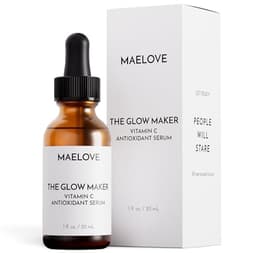
Maelove Glow Maker Vitamin C Serum
For anyone whose serum has turned orange: a stated 15% L-ascorbic acid with vitamin E and ferulic acid, the combination the stability research is built on.
$39.90 · View on AmazonPrice as of October 5, 2026. #ad How we’re funded
Replace your sunscreen
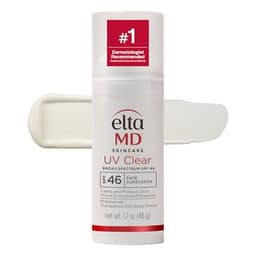
EltaMD UV Clear Broad-Spectrum SPF 46
For the bottle that is past its printed date: a zinc-oxide-based SPF 46 with niacinamide, fragrance-free, elegant enough to finish before it expires.
Three habits that buy you more time
Move products out of the bathroom.Heat and humidity are the two accelerants, and a bathroom supplies both several times a day. A bedroom drawer costs nothing and is the single biggest improvement most people can make — how to store skincare goes through the rest.
Stop buying backups. A cupboard of unopened serums bought in a sale is a cupboard of products quietly aging, and the ones you forget are the actives with the shortest lives. Buying one at a time is cheaper than it looks.
Run fewer products.The real reason skincare goes off is that nobody can finish eleven open bottles inside twelve months. A short routine gets used, replaced on schedule and judged fairly — which is most of the argument in simplifying your routine and in the minimalist routine.
When in doubt
Bin it if it smells different, looks different or feels different from the day you opened it. Bin sunscreen on its date regardless of how it looks. And treat anything used around the eyes with the least patience of all. For everything else, the honest risk of using a slightly old moisturizer is mostly that it has stopped doing much — which is worth knowing before you conclude the ingredient does not work for you.
General guidance, not medical advice. Barrier & Balm is written by a skincare enthusiast, not a dermatologist. For a diagnosis, a reaction, or a prescription active like tretinoin, see a qualified professional. Introduce any new active slowly and patch-test first.
Frequently asked questions
How long does skincare last after opening?
There is no legal answer in the US, so use the brand's own figure where it gives one: the open-jar symbol with a number beside it is a period-after-opening claim in months, and it is the brand stating how long it stands behind the product once air gets in. Where no symbol is printed, the practical ranking is that water-free oils and balms last longest, lotions and creams in pumps are next, jars you dip into are shorter because every use introduces bacteria, and L-ascorbic acid vitamin C serums are the shortest of all.
Does unopened skincare expire?
It degrades much more slowly, but it is not immortal. An unopened product has an intact preservative system and no exposure to air or skin bacteria, so a sealed bottle stored somewhere cool and dark can easily outlast an opened one by years. Heat is what changes that: the FDA specifically notes that heat exposure breaks preservatives down, so a sealed product stored in a hot bathroom or left in a car is aging faster than the same product in a cupboard.
Can you use expired sunscreen?
No — replace it. Sunscreen is regulated as a drug rather than a cosmetic precisely because its performance is the point, and it is required to carry an expiration date. After that date the filters may no longer deliver the labeled SPF, and there is no way to tell by looking. A separation, a change in smell or a grainy texture is a reason to bin it even before the printed date.
What does expired skincare look like?
Four signs are worth acting on: a change in color, especially a vitamin C serum turning deep yellow, orange or brown; a change in smell, particularly anything sour or rancid; separation or a watery layer that will not mix back in; and a change in texture, such as a cream going grainy or a gel going thin. Any one of them means the formula has changed, and a product that has changed is no longer the one you tested your skin against.
Does expired skincare still work?
Sometimes partially, which is the trap. An oxidized vitamin C serum has lost potency long before it looks dramatic, so you are applying something closer to a mildly acidic water and concluding vitamin C does nothing for you. A degraded preservative system is the more serious version: the active may still be fine while the formula has become a hospitable place for bacteria, which matters most for anything used near the eyes.
Is it bad to keep skincare in the bathroom?
It is the worst room in the house for it, for the reason the FDA names: heat accelerates the breakdown of preservatives, and a bathroom cycles through heat and humidity every time someone showers. A bedroom drawer or a hall cupboard is cooler, drier and more stable. Refrigeration is not necessary for most products, though it is harmless and some people find it makes an eye product more comfortable.
Sources
- U.S. FDA — Shelf Life and Expiration Dating of Cosmetics — FDA: no U.S. law requires a cosmetic to carry an expiration date, but sunscreens are regulated as drugs and must; heat exposure breaks preservatives down and lets bacteria and fungi grow faster (accessed September 12, 2026)
- U.S. FDA — Sunscreen: How to Help Protect Your Skin from the Sun — FDA on SPF numbers, broad-spectrum and application amount (accessed July 17, 2026)
- Vitamin C in dermatology (PMC) — Telang — review of topical vitamin C forms, stability and photoprotection (accessed July 17, 2026)
- American Academy of Dermatology — Skin care basics — AAD consumer guidance on cleansing, moisturizing and sun protection (accessed July 17, 2026)
Keep reading
How to store skincare
Where in your home products last longest, and the two places that ruin them.
Read the guideVitamin C forms, compared
Why L-ascorbic acid is the form that oxidizes, and which derivatives are steadier.
Read the explainerHow to use a vitamin C serum
Including how to tell an oxidized bottle from a freshly opened one.
Read the guideTravel skincare
Decanting, heat, and why a hotel bathroom is the worst shelf in the world.
Read the guideBest sunscreen for your face
The one product with a legally required expiry date, and the ones worth rebuying.
See the picksBest vitamin C serums
Including which packaging formats slow oxidation and which accelerate it.
See the picksHow to simplify your routine
Fewer products means you finish them before they go off. The case for cutting back.
Read the guideHow to tell if skincare is working
Before you blame a product for doing nothing, check whether it is still active.
Read the guide