The Ordinary vs The INKEY List
Two brands that built the same business on the same insight, five years apart. One optimizes for the lowest possible cost per active; the other for the product you will still be using in six months.
How this is funded: we earn a commission if you buy through our links, at no extra cost to you. It never changes which product we recommend, and we’ll tell you when we’d skip one. Full disclosure.
The two matchups people actually search for
Azelaic acid and niacinamide — the two products where both brands sell the same active at the same stated percentage, so the only variables are the base, the texture and the price. We own no units and have tested nothing; the picks come from each product's published formulation facts, and prices are checked daily.
The INKEY List — azelaic acid
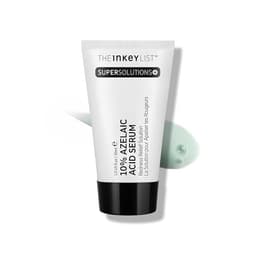
The INKEY List SuperSolutions 10% Azelaic Acid Serum
The same free 10% azelaic acid in a genuinely lightweight serum with a 16-ingredient, allergen-conscious list and allantoin to keep it calm. The answer to the grainy-suspension complaint.
$20.00 · View on AmazonPrice as of October 31, 2026. #ad How we’re funded
The Ordinary — azelaic acid
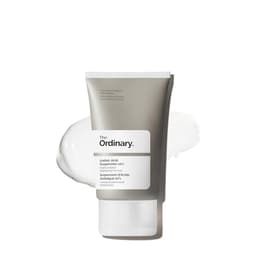
The Ordinary Azelaic Acid Suspension 10%
The same stated 10% free azelaic acid, in a silicone cream-gel that many people find grainy and that can pill under sunscreen. Cheaper, and the formula people either love or abandon.
$12.20 · View on AmazonPrice as of October 31, 2026. #ad How we’re funded
The INKEY List — niacinamide
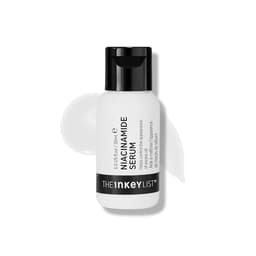
The INKEY List 10% Niacinamide Serum
A stated 10% niacinamide with a stated 1% hyaluronic acid and no zinc salt, which removes the draggy texture that puts people off the other one. Roughly double the price.
$13.00 · View on AmazonPrice as of October 31, 2026. #ad How we’re funded
The Ordinary — niacinamide
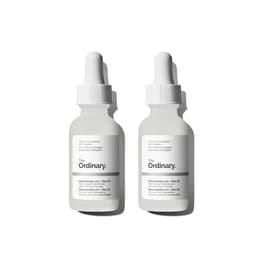
The Ordinary Niacinamide 10% + Zinc 1%
The same stated 10%, plus 1% zinc PCA for oil control, fragrance-free, at about the lowest price in the category. The zinc suspension is the only real difference.
The same idea, five years apart
The Ordinary’s founding argument was that the skincare industry was selling you chemistry it would not name, at a markup it could not justify. Its answer was to sell the raw active — 10% niacinamide, 7% glycolic acid, 0.5% retinol — in the plainest possible packaging, at a price that made the markup argument self-evident. It worked, and it changed what a budget shelf looks like.
The INKEY List launched into the space that created, and its pitch was a refinement rather than a rebuttal: same transparency, same prices, but a product you would actually enjoy putting on your face. That is the whole difference, and nearly every pairing below is a version of it. The Ordinary optimizes for the lowest possible cost per unit of active. The INKEY List optimizes for the formula you will still be using in six months.
Neither philosophy is correct in the abstract. The one that is correct for you depends on whether you have ever abandoned a product because of how it felt — and most people have.
Pair by pair
| Active | The Ordinary | The INKEY List | Who wins |
|---|---|---|---|
| Azelaic acid | Stated 10%, silicone cream-gel, 30 ml | Stated 10%, lightweight serum, 16 ingredients, 30 ml | INKEY, on texture |
| Niacinamide | Stated 10% + 1% zinc PCA, 30 ml | Stated 10% + stated 1% hyaluronic acid, 30 ml | Coin flip; The Ordinary on price |
| Glycolic acid toner | Stated 7%, published pH 3.5–3.9, 240 ml | Stated 10%, published pH range, 100 ml | Split: INKEY on strength, The Ordinary on value |
| Hyaluronic acid | Stated 2%, multi-weight, + B5 and ceramides, 30 ml | Multi-weight, no percentage on the 30 ml size, non-tacky | The Ordinary, on disclosure |
| Retinoid | Stated 0.5% retinol in squalane, 30 ml | “Dual-retinol complex,” no stated strength, 30 ml | The Ordinary, decisively |
| Cleansing balm | Not a category it competes in | Stated 5% oat kernel oil, 150 ml | INKEY, uncontested |
Azelaic acid: the clearest result on the page
Both are free azelaic acid at a stated 10% — the form, not a derivative, which is what the published work on rosacea redness, mild acne and post-inflammatory pigmentation actually used. So the active is a tie, and everything is decided by the base.
The Ordinary’s is a silicone cream-gel suspension. It is effective and it is cheap, and a substantial number of people find it grainy, say it balls up under sunscreen, and quietly stop using it. The INKEY List’s SuperSolutions is a lightweight 16-ingredient serum with allantoin, no fragrance and no common allergens, and it absorbs without the drag. Same active, same percentage, and one of them is far more likely to still be in your routine in March. Our azelaic acid explainer covers what the active does and why it is unusually well tolerated.
Niacinamide: a genuine coin flip
A stated 10% each. The only meaningful difference is the second ingredient: The Ordinary adds 1% zinc PCA for oil control, The INKEY List adds a stated 1% hyaluronic acid instead. The zinc is what gives the first one its faintly chalky drag, and it is also the reason some oily skin prefers it.
Two things worth knowing before you buy either. 10% is above the 4–5% most published work uses, so if you are the sort of person who flushes, start lower rather than assuming more is better — the niacinamide percentage guide lays out where the evidence actually sits. And The Ordinary’s is roughly half the price, which at identical stated strength is hard to argue with unless texture has already been a problem for you. The rest of the category is in our niacinamide serum picks.
Glycolic toner: the one place both brands look good
This is the most interesting pairing, because both brands do the rare thing and publish a pH range alongside the percentage. pH is the second number that decides how strong an acid really is, and almost nobody prints it.
The Ordinary is a stated 7% at a published pH of 3.5–3.9, in a 240 mlbottle, with the FDA’s AHA sunburn alert printed in full. The INKEY List is a stated 10% at a published pH range, in a 100 ml bottle, in a more astringent base containing alcohol and witch hazel — and the brand itself says to keep it away from sensitive skin, which we count in its favor as disclosure even as it counts against the product for most readers.
So: more than twice the volume and a gentler formula on one side; a stronger stated acid on the other. For most people the 7% in the 240 ml bottle is the better buy, because a glycolic toner is a product you want to be able to use generously and because starting lower is the best predictor of still exfoliating in three months. Go to the 10% only if you have run a 7% for a while and genuinely plateaued. The glycolic acid percentage guide covers where each strength belongs, and the full field is in our glycolic toner picks.
Hyaluronic acid: disclosure decides it
The Ordinary states 2% hyaluronic acid at low, medium and high molecular weights, plus B5 and ceramides, for a few dollars. The INKEY List sells a multi-weight hyaluronic acid serum built explicitly around a non-tackyfinish — which is the single most common complaint about The Ordinary’s slightly gel-tacky texture, and a legitimate reason to switch.
But the 30 ml listing publishes no percentage. INKEY labels its larger 60 ml version 2%, and we are not going to carry that number across to a different size on its behalf. Against a competitor that states 2% and adds ceramides and B5 for less money, an unstated figure loses. Buy the INKEY one if the tackiness has genuinely stopped you using a humectant serum; otherwise the answer here is the cheap one. Either way, apply it to damp skin and seal it with moisturizer — a humectant with nothing to hold onto can work against you in dry air.
Retinoid: not close
The Ordinary sells a retinol at a stated 0.5% in squalane, in a range that also offers 0.2% and 1% so you can step up deliberately. That is the whole argument for buying a retinoid from a budget brand: you know the dose, so you can change it on purpose.
The INKEY List’s Starter Dual Retinol is a sensible-looking product — two retinoid forms, barrier ingredients in the same bottle, explicitly sold to beginners — and it publishes no strength at all. “Dual-retinol complex” is a phrase, not a measurement. For the one category where the number governs everything about how the product behaves, that is a real loss, and it is the clearest case on this page of a brand not living up to its own founding premise. If you want the gentler route into retinoids, our beginner retinol picks get you there with a labeled dose, and retinol strengths explained covers what each number does.
The category The Ordinary does not play in
The INKEY List makes a cleansing balm: a 150 ml tub built on a stated 5% oat kernel oil, aimed at skin that finds most first cleanses too much. The Ordinary has never been a serious first-cleanse brand, because a cleansing balm is a formulated product rather than an active in a base, and formulating is the thing The Ordinary deliberately leaves to you.
That is a fair summary of the whole comparison, actually. Where the job is “deliver a known dose of a known molecule,” The Ordinary is hard to beat and usually cheaper. Where the job is “make something that works pleasantly on a face,” The INKEY List is the one that took that problem seriously. The balm sits alongside the rest of the field in our cleansing balm roundup.
How to split your basket
Buy The Ordinary for: hyaluronic acid, retinol, niacinamide if price matters more than feel, and the glycolic toner if you want volume and a gentler acid. In each case you are buying a published number at the lowest price anyone offers it.
Buy The INKEY List for: azelaic acid, the cleansing balm, niacinamide if the zinc version has annoyed you, and the glycolic toner only if you have outgrown a 7%. In each case you are paying a small premium for a formula that is nicer to live with.
The rule underneath all of it:when the active’s dose decides the outcome, buy the brand that prints the dose. When the texture decides whether you keep going, buy the one that solved the texture. Nothing about mixing them causes a problem — just introduce one product at a time, and watch that you are not running two exfoliating acids or two of the same active without noticing.
General guidance, not medical advice. Barrier & Balm is written by a skincare enthusiast, not a dermatologist. For a diagnosis, a reaction, or a prescription active like tretinoin, see a qualified professional. Introduce any new active slowly and patch-test first.
Frequently asked questions
Are The Ordinary and The INKEY List owned by the same company?
No. They are separate businesses with separate owners. The resemblance is strategic rather than corporate: both were built on the same observation — that prestige skincare charges a premium for actives it will not quantify — and both answered it by selling single-active products at drugstore prices with the percentage on the front. The INKEY List arrived several years after The Ordinary and positioned itself against it deliberately, which is why the ranges overlap so closely.
Which brand is cheaper, The Ordinary or The INKEY List?
The Ordinary, on most comparable products, and by more than the sticker price suggests once you account for size. Its glycolic toner is 240 ml against INKEY's 100 ml; its niacinamide is roughly half the price for the same stated 10%. The gap is real but it is not a budget-versus-prestige gap — these are two cheap brands, and on a few products they are within a dollar. Compare the live prices on the cards above rather than the brands' reputations, because both move.
Which brand is better for sensitive skin?
The INKEY List, on texture and on list length — but read the product, not the brand. Its azelaic serum is a short, 16-ingredient, fragrance-free formula with allantoin, where The Ordinary's is a silicone suspension many reactive users find draggy. The important exception runs the other way: The INKEY List's own guidance on its 10% glycolic toner is to keep it away from sensitive skin, and that toner contains alcohol and witch hazel, while The Ordinary's 7% is the lower strength of the two.
Which brand publishes more about its formulas?
The Ordinary, by a clear margin, and in the specific way that matters most: it publishes pH alongside percentage on its acids. Its Glycolic Acid 7% toner states a pH range of 3.5-3.9 — the second number that decides how strong an acid actually is — and it prints the FDA's AHA sunburn alert in full. The INKEY List also publishes a pH range on its glycolic toner, which almost no other brand does, but it has gaps elsewhere: the 30 ml hyaluronic acid serum carries no percentage, and the Starter Dual Retinol states no retinoid strength at all.
Which should a beginner start with?
The Ordinary, if your first product is hyaluronic acid, niacinamide or a retinoid — in each case it gives you a number to reason about, and the labeled 0.5% retinol is a far better starting point than an unlabeled 'dual-retinol complex' because you can step up or down from a known dose. Start with The INKEY List if your first product is azelaic acid, or if you have already abandoned something from The Ordinary because of how it felt on your face. Texture is not a vanity concern: the product you keep using is the one that works.
Can I use products from both brands together?
Yes — there is nothing brand-specific about layering, and most people who shop this shelf end up with a mix. What matters is which actives you are combining, not whose bottle they came from. The one thing to watch is accidental doubling: both brands sell a glycolic toner and both sell azelaic acid, so it is easy to end up running two exfoliating steps or two of the same active without noticing. Introduce one new product at a time and give it two weeks before adding the next.
Does The INKEY List make anything The Ordinary does not?
Yes, and it is the most underrated reason to shop there. The INKEY List makes a proper cleansing balm — a 150 ml tub built on a stated 5% oat kernel oil — and The Ordinary has never been strong in the first-cleanse category. More broadly, The INKEY List is more willing to sell a finished, pleasant-to-use product where The Ordinary sells the raw active and leaves the formulating to you. If you want one product that does a job rather than a component to assemble, that difference is the whole point.
Sources
- Mechanistic Basis and Clinical Evidence for Nicotinamide (Niacinamide) in Skin (PMC) — Review of niacinamide's barrier, ceramide and pigmentation effects (accessed July 17, 2026)
- A Comprehensive Review of Azelaic Acid: Pharmacological Properties and Clinical Applications (PMC) — Review of azelaic acid's evidence for rosacea redness and inflammatory lesions, comparable to metronidazole (accessed July 20, 2026)
- Applications of hydroxy acids: classification, mechanisms, and photoactivity (PMC) — Kornhauser, Coelho & Hearing, Clin Cosmet Investig Dermatol 2010 — reference review of AHA/BHA/PHA classes, their mechanisms and the safety evaluation of hydroxy acid formulations on sun-exposed skin (accessed August 24, 2026)
- U.S. FDA — Alpha Hydroxy Acids — FDA on AHAs and increased sun sensitivity (accessed July 17, 2026)
- Human Skin Aging and the Anti-Aging Properties of Retinol (PubMed) — Review of topical retinol's effect on collagen and photoaging (accessed July 17, 2026)
- Moisturizers — StatPearls (NCBI Bookshelf) — Reference on humectants (hyaluronic acid), occlusives and emollients (accessed July 17, 2026)
Keep reading
Good Molecules vs The Ordinary
The other same-price matchup, where the azelaic acid result goes the same way for the same reason.
Read the comparisonThe Ordinary vs Paula's Choice
Budget against prestige, both of them unusually willing to print their numbers.
Read the comparisonNaturium vs The Ordinary
Bare active versus finished formula, on identical percentages — the same argument, a different brand.
Read the comparisonBest azelaic acid products
Where both brands' 10% formulas sit against the rest of the category.
See the picksBest glycolic acid toners
The 7%-versus-10% question in full, including which brands publish a pH.
See the picksBest cleansing balms
The category The Ordinary does not really compete in, and where The INKEY List's oat balm earns a slot.
See the picksBest retinol for beginners
Why a labeled 0.5% beats an unlabeled 'complex' when it is your first retinoid.
See the picks