Barrier & Balm

Best Skincare for Dark Spots & Hyperpigmentation

The ingredients with real evidence for fading dark spots — vitamin C, niacinamide, azelaic acid and exfoliating acids — plus the one step that makes all of them work.

By Stephen V.Last updated How we pick

“Dark spots” covers a few different things — the flat brown marks acne leaves behind, the freckle-like spots the sun stamps on over years, and the larger patches of melasma. They fade slowly, and the products that help are the ones that either interrupt pigment, speed up how fast marked cells turn over, or both. There’s no overnight eraser, and anything promising one is selling you a story.

So we picked by the job each ingredient does, not by hype: a vitamin C for daytime brightening and defense, azelaic acid for marks that come with redness, a gentle niacinamide for everyday tone, and exfoliating acids to shed pigmented cells faster. But the pick that matters most isn’t a treatment at all — it’s daily sunscreen, because sun exposure darkens existing spots and undoes every bit of progress the others make. Skip it and nothing here will work.

How this is funded:we earn a commission if you buy through our links, at no extra cost to you. It never changes which product we recommend, and we’ll tell you when we’d skip one. Full disclosure.

Quick picks

Ranked on formulation, stated concentration and buyer fit. Select a row to jump to the full write-up. We have not tested these products — here is exactly what we do instead.

#ProductBest forPrice
1
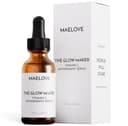
Maelove Glow Maker Vitamin C Serum

Maelove Glow Maker Vitamin C Serum

Uses the antioxidant trio that actually has evidence behind it — L-ascorbic acid with vitamin E and ferulic acid — at a fraction of the famous serum it echoes. The pick if you want the studied form.

Best vitamin C for dark spots
$39.90 · View on Amazon

Price as of July 26, 2026. #ad How we’re funded

2
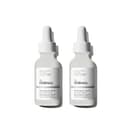
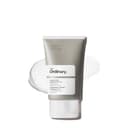
The Ordinary Azelaic Acid Suspension 10%

The Ordinary Azelaic Acid Suspension 10%

A multitasker with genuine evidence for redness, bumps and post-acne marks — and one of the few actives that's usually fine for rosacea-prone skin. A stated 10%, for a few dollars.

Best for post-acne marks & redness
$12.20 · View on Amazon

Price as of July 26, 2026. #ad How we’re funded

3
The Ordinary Niacinamide 10% + Zinc 1%

The Ordinary Niacinamide 10% + Zinc 1%

The default niacinamide serum for a reason — a stated 10% with zinc, for a couple of dollars. Worth knowing that 10% is above the 4-5% most studies use, so sensitive skin may prefer less.

Best gentle daily brightener
$12.00 · View on Amazon

Price as of July 26, 2026. #ad How we’re funded

4
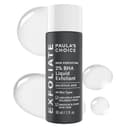
Paula's Choice Skin Perfecting 2% BHA Liquid Exfoliant

Paula's Choice Skin Perfecting 2% BHA Liquid Exfoliant

The most-recommended leave-on BHA there is, and deservedly — a stated 2% salicylic acid at the right pH, in a lightweight liquid. The single best product for blackheads and clogged pores.

Best for congestion-related marks
$15.00 · View on Amazon

Price as of July 26, 2026. #ad How we’re funded

5
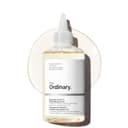
The Ordinary Glycolic Acid 7% Exfoliating Toner

The Ordinary Glycolic Acid 7% Exfoliating Toner

A cult budget AHA toner — a stated 7% glycolic for surface smoothing and glow. Potent for a 'toner'; it is a real exfoliant, so treat it like one and don't use it nightly at first.

Best exfoliant for surface tone
$13.50 · View on Amazon

Price as of July 26, 2026. #ad How we’re funded

6
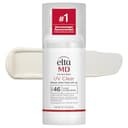
EltaMD UV Clear Broad-Spectrum SPF 46

EltaMD UV Clear Broad-Spectrum SPF 46

The facial sunscreen dermatologists reach for most, and it earns it: zinc-oxide-based SPF 46 with niacinamide, oil-free and fragrance-free, cosmetically elegant enough to actually wear daily.

The step that makes the rest work
$23.50 · View on Amazon

Price as of July 26, 2026. #ad How we’re funded

The picks in full

#1Best vitamin C for dark spots

Maelove Glow Maker Vitamin C Serum

Uses the antioxidant trio that actually has evidence behind it — L-ascorbic acid with vitamin E and ferulic acid — at a fraction of the famous serum it echoes. The pick if you want the studied form.

Strengths

  • L-ascorbic acid + vitamin E + ferulic acid — the researched antioxidant stack
  • Fragrance-free and lightweight
  • Far cheaper than the prestige serum it's modeled on

Trade-offs

  • L-ascorbic acid oxidizes over time — buy fresh, store cool, replace when it darkens
  • Can tingle on first use as skin adjusts
Key activeL-ascorbic acid (vitamin C)
Stated concentration15%
FormatLightweight fluid
Fragrance-freeYes
Best forNormal, Combination, Dull skin

Formulation note. 15% L-ascorbic acid + vitamin E + ferulic acid — the combination shown in the dermatology literature to stabilize vitamin C and boost photoprotection. This is the form to look for.

Ingredients and claims read from the product listing, on July 17, 2026. “Not published” means the brand does not state that figure.

#2Best for post-acne marks & redness

The Ordinary Azelaic Acid Suspension 10%

A multitasker with genuine evidence for redness, bumps and post-acne marks — and one of the few actives that's usually fine for rosacea-prone skin. A stated 10%, for a few dollars.

Strengths

  • Stated 10% azelaic acid — good evidence for redness and pigmentation
  • Generally well-tolerated by rosacea-prone skin
  • Can be layered with most other actives

Trade-offs

  • Silicone suspension has a distinctive, slightly grainy feel
  • Can pill under some sunscreens if over-applied
Key activeAzelaic acid
Stated concentration10%
FormatSilicone cream-gel
Fragrance-freeYes
Best forRosacea-prone, Blemish-prone, Sensitive

Formulation note. 10% azelaic acid. Evidence supports it for rosacea redness, mild acne and pigmentation, and it's gentle enough for reactive skin — an unusually broad, well-tolerated active.

Ingredients and claims read from the product listing, on July 17, 2026. “Not published” means the brand does not state that figure.

#3Best gentle daily brightener

The Ordinary Niacinamide 10% + Zinc 1%

The default niacinamide serum for a reason — a stated 10% with zinc, for a couple of dollars. Worth knowing that 10% is above the 4-5% most studies use, so sensitive skin may prefer less.

Strengths

  • Stated 10% niacinamide + 1% zinc for oil control
  • Among the cheapest actives in skincare
  • Fragrance-free, water-light texture

Trade-offs

  • 10% is higher than the researched 4-5% and can pill or sting
  • Zinc suspension can feel slightly draggy
Key activeNiacinamide
Stated concentration10%
FormatWater-light serum
Fragrance-freeYes
Best forOily, Combination, Blemish-prone

Formulation note. 10% niacinamide + 1% zinc PCA. Most published benefit for redness and barrier appears around 4-5%; 10% is not 'stronger is better' and can irritate — an honest caveat on a genuinely useful, cheap serum.

Ingredients and claims read from the product listing, on July 17, 2026. “Not published” means the brand does not state that figure.

#4Best for congestion-related marks

Paula's Choice Skin Perfecting 2% BHA Liquid Exfoliant

The most-recommended leave-on BHA there is, and deservedly — a stated 2% salicylic acid at the right pH, in a lightweight liquid. The single best product for blackheads and clogged pores.

Strengths

  • Stated 2% salicylic acid, formulated at an effective pH
  • Oil-soluble BHA gets into pores where AHAs can't
  • Fragrance-free, non-abrasive leave-on liquid

Trade-offs

  • Start 2-3x weekly — daily from the outset can over-exfoliate
  • Don't stack with retinol the same night when starting out
Key activeSalicylic acid (BHA)
Stated concentration2%
FormatWatery liquid
Fragrance-freeYes
Best forOily, Combination, Blemish-prone

Formulation note. 2% salicylic acid at a functional pH. Being oil-soluble is the point — BHA clears the inside of pores, which is why it beats a scrub for blackheads.

Ingredients and claims read from the product listing, on July 17, 2026. “Not published” means the brand does not state that figure.

#5Best exfoliant for surface tone

The Ordinary Glycolic Acid 7% Exfoliating Toner

A cult budget AHA toner — a stated 7% glycolic for surface smoothing and glow. Potent for a 'toner'; it is a real exfoliant, so treat it like one and don't use it nightly at first.

Strengths

  • Stated 7% glycolic acid for a few dollars
  • Noticeable smoothing and radiance
  • Includes soothing aloe and ginseng

Trade-offs

  • Too strong for sensitive skin and for daily use at first
  • Never combine with other strong acids or retinol the same night early on
Key activeGlycolic acid (AHA)
Stated concentration7%
FormatWatery toner
Fragrance-freeYes
Best forNormal, Oily, Resilient

Formulation note. 7% glycolic acid + aloe + ginseng + Tasmanian pepperberry (to reduce irritation). Water-soluble AHA works on the surface — good for glow, distinct from BHA's pore work.

Ingredients and claims read from the product listing, on July 17, 2026. “Not published” means the brand does not state that figure.

#6The step that makes the rest work

EltaMD UV Clear Broad-Spectrum SPF 46

The facial sunscreen dermatologists reach for most, and it earns it: zinc-oxide-based SPF 46 with niacinamide, oil-free and fragrance-free, cosmetically elegant enough to actually wear daily.

Strengths

  • Zinc oxide + niacinamide — calming and non-irritating
  • Oil-free, fragrance-free, non-comedogenic
  • Light finish that layers under makeup

Trade-offs

  • Premium price per ounce
  • Very slight cast on the deepest skin tones (the tinted version fixes this)
Key activeZinc oxide + niacinamide (SPF 46)
Stated concentrationSPF 46
FormatLightweight lotion
Fragrance-freeYes
Best forSensitive, Acne-prone, Rosacea-prone

Formulation note. Broad-spectrum SPF 46 with zinc oxide + 5% niacinamide. The niacinamide is a genuine plus for redness-prone skin — the reason it's a repeat recommendation, not just a decent SPF.

Ingredients and claims read from the product listing, on July 17, 2026. “Not published” means the brand does not state that figure.

First, know which kind of dark spot you have

The right approach — and how realistic an over-the-counter fix is — depends on the type:

  • Post-inflammatory hyperpigmentation (PIH). The flat brown or tan marks left after a breakout, ingrown hair or other irritation. These are the most responsive to skincare and fade on their own over months, faster with the right actives.
  • Sun spots (solar lentigines). The small, defined brown spots that accumulate on the face and hands from years of UV. They respond to brightening actives and exfoliation, but slowly, and prevention (SPF) matters most.
  • Melasma.Larger, blotchy patches, often hormonally driven and worsened by heat and sun. This one is stubborn, prone to coming back, and best managed with a dermatologist — over-the-counter products can help around the edges but rarely resolve it.

If your “dark spot” is raised, changing, irregular or new in a way that worries you, that’s a question for a doctor, not a serum. Everything below is about flat pigment, not moles or lesions.

The one non-negotiable: sunscreen

This is the part people skip and then wonder why nothing works. Pigment cells are triggered by UV, so every day you go without sunscreen, the sun re-darkens the spots you’re trying to fade — a step forward at night, two back the next afternoon. A broad-spectrum SPF 30 or higher, worn daily and reapplied, is what lets every other product in this list actually show results. It’s not one option among several; it’s the foundation the rest is built on.

The actives that fade spots

Vitamin C — daytime brightening and defense

Vitamin C is an antioxidant that both interrupts pigment production and defends against the daytime UV and pollution that create new spots. The dermatology literature supports L-ascorbic acid— ideally with vitamin E and ferulic acid — as the best-evidenced form. It’s a morning active, layered under sunscreen, and the most well-rounded single addition for uneven tone.

Azelaic acid — for marks with redness

Azelaic acid is an underrated multitasker with genuine evidence for both pigmentation and redness, and it’s gentle enough for reactive and rosacea-prone skin. That makes it the standout for post-acne marks that come with lingering redness, and a good choice for anyone whose skin can’t tolerate stronger acids.

Niacinamide — the gentle daily brightener

Niacinamide reduces how much pigment reaches the skin’s surface, so over consistent use it gradually evens tone — and it does it while supporting the barrier rather than stressing it. It’s the most tolerable option here and layers with everything, which makes it an easy daily addition even if it’s not the most dramatic.

Exfoliating acids — shedding pigmented cells faster

AHAs like glycolic acid work on the surface to speed the turnover of pigmented cells, which fades marks faster; a BHA (salicylic acid) is the better exfoliant when the marks trace back to congestion and breakouts, since it clears the pore that caused them. Both increase sun sensitivity — the FDA notes AHAs can do so for about a week — which loops back to why SPF is mandatory here.

One active we haven’t listed as a pick but shouldn’t go unmentioned: retinol also fades marks over time by speeding turnover, and it pairs well with everything above. And for stubborn melasma, the prescription combinations a dermatologist can offer (like tretinoin or hydroquinone) outperform anything on a drugstore shelf.

How to build a dark-spot routine

You don’t use all of these at once — that’s a recipe for an irritated barrier, which itself causes more pigmentation. A sensible structure:

  • Morning:gentle cleanse, vitamin C, moisturizer, and sunscreen — always.
  • Night: cleanse, then onetreatment — an exfoliating acid a couple of nights a week, or azelaic acid, or (later) a retinol — followed by moisturizer. Niacinamide can go morning or night.
  • Introduce one active at a timeand don’t stack strong exfoliants and retinol on the same night. Our layering guide shows how to space them.

How long it takes, and when to see a dermatologist

Patience is the hard part. Fading is a matter of skin cycles, so give any routine 8 to 12 weeksof consistent use before judging it, and expect months for meaningful change on older sun spots. If your pigmentation is melasma, isn’t budging after a few months of diligent effort, or you want faster results, a dermatologist has prescription options and procedures that over-the-counter products can’t match. Skincare is the patient, barrier-friendly route — effective for most PIH and many sun spots, limited for melasma.
Frequently asked questions

What is the best ingredient for dark spots?

There isn't a single best one — it depends on the spot. Vitamin C is the best all-round daytime brightener; azelaic acid is best for marks with redness and for sensitive skin; niacinamide is the gentlest daily option; and exfoliating acids (glycolic or salicylic) speed how fast pigmented cells shed. Daily sunscreen sits above all of them, because without it none of the others hold their progress.

How long do dark spots take to fade?

Give any routine 8 to 12 weeks before judging it, and expect several months for older sun spots. Post-acne marks tend to fade fastest; sun spots are slower; melasma is the most stubborn. Fading happens over skin cycles, so consistency matters far more than the strength of any single product.

Does sunscreen really help with hyperpigmentation?

It's the most important step. UV directly triggers pigment cells, so daily sunscreen both prevents new spots and stops existing ones from re-darkening while your treatments work. Skipping SPF is the single most common reason a dark-spot routine fails — you're undoing progress every time you go outside unprotected.

Can I use vitamin C and exfoliating acids together for dark spots?

Yes, if you separate them. A common approach is vitamin C in the morning (under sunscreen) and an exfoliating acid a couple of nights a week. Using several strong actives at once risks irritating the skin, which can actually cause more pigmentation — so introduce one at a time and keep the routine gentle.

When should I see a dermatologist about dark spots?

See one if your pigmentation is melasma, if it isn't improving after a few months of consistent over-the-counter care, or if you want faster results — prescription tretinoin and hydroquinone outperform drugstore actives. Also see a doctor for any spot that's raised, changing, irregularly shaped or new in a concerning way, since that's a medical question, not a cosmetic one.

Sources

Keep reading