How to build a rosacea routine that calms, not provokes
The goal with rosacea is a stable, unremarkable routine that supports the barrier and keeps triggers out — then, once skin is calm, one active to work on the redness. Get the order of operations right and most of the battle is won before you add anything “active” at all.
Cleanse gently, and stop scrubbing
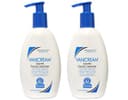
Rosacea-prone skin reacts to friction as much as to ingredients. The AAD’s own guidance is to use a mild, non-foaming cleanser applied in soft circles with your fingertips, rinsed off completely with lukewarm — never hot — water, and to skip washcloths, facial sponges and any kind of scrub or exfoliating tool, because anything that irritates the skin can make rosacea worse. A stripped-back, fragrance-free cleanser is the whole job here; you are not trying to “deep clean” rosacea into submission.
Moisturize every day
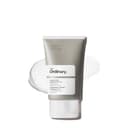
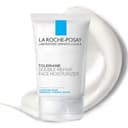
A compromised barrier is part of why rosacea skin stings and flushes, so a daily moisturizer is treatment, not indulgence — the AAD advises moisturizing after cleansing every day, even when skin feels oily. Ingredients like ceramides, glycerin and niacinamide support the barrier at a low irritation risk; a niacinamidecontent in particular has evidence for reinforcing the skin barrier and easing redness, which is why it turns up in so many formulas aimed at reactive skin. Keep the texture light enough that you’ll actually wear it under sunscreen.
Protect from the sun — it’s the number-one trigger
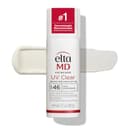
Sun exposure is the single most commonly reported rosacea trigger, and daily protection does more to keep skin calm than any serum. The AAD recommends a broad-spectrum, water-resistant sunscreen of SPF 30 or higher, and specifically to look for one containing zinc oxide, titanium dioxide, or both — the mineral filters that sit on top of skin and tend to be gentler on redness-prone faces than chemical ones. If a pure mineral formula leaves too much cast for you, a fragrance-free hybrid or chemical option you’ll actually reapply beats a “perfect” sunscreen you avoid. Our sunscreen roundup compares the options on finish and cast.
Add one active: azelaic acid
If there is a single active worth adding for rosacea, it’s azelaic acid. It calms inflammation and fades the redness and bumps of papulopustular rosacea, and dermatology reviews put its prescription forms on par with metronidazole, the older standard — in head-to-head trials, azelaic acid produced greater reductions in inflammatory lesions and better erythema improvement over roughly 12–15 weeks. An honest caveat matters here: that strong trial evidence is for the prescription 15% gel and 20% cream. The over-the-counter suspension we feature is 10% — a lower, non-prescription dose that’s a sensible, affordable way to try azelaic acid, but not identical to the studied strength. If you want to weigh the options, our roundup of the best azelaic acid productscompares the 10% picks by formulation and feel. Start it once daily, expect some transient tingling in the first week or two, and if a 10% product isn’t moving the needle, that’s a reason to ask a dermatologist about the prescription version rather than to pile on other actives.
Leave these ingredients on the shelf
Half of rosacea skincare is subtraction. The AAD names specific ingredients to keep off a rosacea-prone face: alcohol, camphor, fragrance, glycolic acid, lactic acid, menthol, sodium lauryl sulfate and urea. That rules out most “brightening” acid toners, cooling gels and heavily fragranced creams. It also means the harsh exfoliating routines that suit oilier, more resilient skin are the opposite of what rosacea needs — if you also break out, our acne-prone routineleans on gentler, azelaic-friendly choices rather than stacked acids. Because rosacea reacts unpredictably, patch test any new product on a small area — the AAD suggests a quarter-sized patch daily for 7–10 days — before trusting it on your whole face.
Keep a rescue on hand for flare days
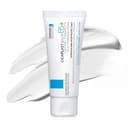
Even a good routine won’t stop every flush — heat, spicy food, alcohol, stress and weather all set rosacea off. On the days skin is hot, tight and reactive, the move is to pause anything active, drop back to cleanser and moisturizer, and use a soothing repair balm on the worst patches while the barrier settles. Managing the flare gently beats powering through with your usual actives, which only prolongs it.
When to see a dermatologist
Skincare manages rosacea; it doesn’t cure it, and it can’t do everything. See a board-certified dermatologist if the redness is persistent, if you have visible broken blood vessels or thickening skin, or — importantly — if your eyes feel gritty, dry or irritated, which can signal ocular rosacea. Prescription azelaic acid, metronidazole, ivermectin, oral options and light or laser treatment for visible vessels all live in a doctor’s toolkit, and rosacea is easier to control the earlier it’s treated. Nothing on this page is medical advice.