How to calm reactive skin
The goal is fewer steps that soothe, not a shelf of actives that provoke. Get the basics stable first, then add carefully.
Subtract before you add
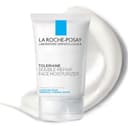
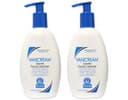
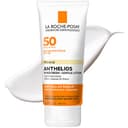
When skin is stinging, red or tight, the first move is to strip the routine back to three steps: a gentle, fragrance-free cleanser, a barrier-repair moisturizer, and sunscreen. Fragrance is one of the most common causes of contact reactions, so fragrance-free is the default here, not a luxury — and note that “unscented” is not the same claim. If you are choosing the cream itself, our moisturizers for sensitive skin roundup ranks them on what each formula is documented to leave out. Use lukewarm water, not hot, and pat rather than rub.
Reintroduce actives one at a time
Once skin is calm, you can add actives — but slowly, and one at a time, so that if something reacts you know exactly what caused it. Azelaic acid and niacinamide tend to be the best tolerated: azelaic acid has good evidence for redness and is usually fine even for rosacea-prone skin, and niacinamide supports the barrier at low irritation risk. Give each new active a couple of weeks before adding another.
Patch test, every time
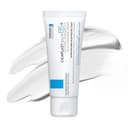
Before a new product goes on your whole face, patch test it — a small amount on the inner forearm or beside the jaw for a few days. It won’t catch everything, but it catches the obvious reactions cheaply. Keep a soothing repair balm on hand for the days a barrier still gets pushed too far.
Be cautious with strong actives
Retinol and exfoliating acids can still work for sensitive skin, but go gentle and never layer several on the same night while you’re starting out — see our guide to what not to mix with retinol. The wash matters as much as the actives: cleansers for sensitive skin ranks the low-foam, fragrance-free options, and if your reactivity comes with itch and flares rather than stinging, skincare for eczema-prone skin is the closer fit.