How we judged these
Every wash on this page is a real, currently-sold product, and the ranking runs on four criteria in this order:
1. Is the strength published, and is it the right one?A stated percentage lets you make a decision instead of a guess. But higher isn’t automatically better here — a wash rinses away, and one of our picks argues convincingly for going lower on purpose. What we reward is a brand telling you the number and then having a defensible reason for it. 2. What else is in the base?Salicylic acid strips oil; that is its job. A wash that pairs it with ceramides, niacinamide and glycerin gives skin something back on the way out, and a bare surfactant base doesn’t. This single criterion separates the top of this list from the bottom. 3. Fragrance. You are applying an exfoliating acid to skin that is often already irritated. Perfume adds nothing and can add a reaction, so a fragranced formula is a mark against a product here. 4. Cost against how you will actually use it. A cleanser is a consumable you rinse down the sink every day. Paying prestige money for one has to buy you something specific.
One thing we deliberately did notreward: marketing language about “deep cleaning” pores. No cleanser reaches deep into a pore in thirty seconds. What a good salicylic wash does is help keep the surface of the follicle clearer over weeks of consistent use, which is a smaller and much more honest promise.
Why this shelf tells you the percentage when no other shelf does
In the US, a product making an acne claim with salicylic acid at 0.5% to 2%is sold as an over-the-counter drug under the FDA’s acne monograph. That status brings a Drug Facts panel, and the panel states the active ingredient and its concentration. Retinol, niacinamide, peptides and most vitamin C are cosmetics, and a cosmetic never has to disclose how much of anything is inside — which is why our retinol cream roundupspends half its length on brands that won’t say.
The practical version of this rule: turn the bottle around. If there is a Drug Facts panel, you are holding an acne treatment with a stated dose. If there is only an ingredient list, you are holding a cosmetic wash whose salicylic acid content is unstated. Both can be worth buying. They are not the same product, and the shelf gives you almost no help telling them apart.
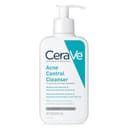
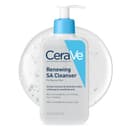
CeraVe demonstrates this better than any explanation. Two of the picks above are CeraVe salicylic acid cleansers in near-identical white bottles. Acne Control is a drug: 2% salicylic acid, printed on the box. Renewing SAis a cosmetic: salicylic acid sits mid-list in the ingredients with no number attached, because it isn’t sold as an acne treatment at all — it is sold for rough, bumpy texture. People buy the wrong one constantly, then conclude salicylic acid doesn’t work for their spots. It may simply be that they bought the exfoliating wash instead of the acne wash.
2% or 0.5% — which do you actually need?
The instinct is to reach for 2% because it is the ceiling. Resist it long enough to think about contact time. A leave-on toner or serum sits on skin for hours; a cleanser is on your face for perhaps thirty to sixty seconds before it goes down the drain. The acid barely gets started. That means the difference between a 2% wash and a 0.5% wash is far smaller in practice than the four-fold gap in the numbers suggests — and the irritation difference is not.
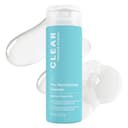
Go 2% if your skin is genuinely oily, you get frequent congestion or blackheads, and you tolerate actives well. You are buying the strongest version of a mild step, which is a reasonable thing to want. Go 0.5%if your skin is sensitive, if you already use a leave-on exfoliant or a retinoid, or if 2% washes have left your face tight and squeaky. Paula’s Choice makes that argument itself on its own product page, which is more candid than most of this category manages. Go unstated-cosmeticif what bothers you is texture rather than spots — rough patches, flaky cheeks, the sandpaper feel on upper arms.
Our salicylic acid percentages guide breaks the tiers down across formats, including where the leave-on products sit.
The honest limit: what a salicylic wash can’t do
Here is the part most roundups leave out. If you have moderate acne and you are buying one product, a cleanser should probably not be it. Rinse-off contact time caps what any wash can achieve, and the evidence base dermatology guidelines lean on for acne is built overwhelmingly around leave-on treatments — benzoyl peroxide, topical retinoids and prescription options — not around face washes.
So use these for what they are good at: a low-effort daily nudge against oil and congestion, a gentle on-ramp to acids for skin that has never used one, and a way to keep body areas clearer where a leave-on treatment is impractical. If you want visible change in blackheads or texture, the leave-on step is where it comes from — our chemical exfoliant pickscover the toners and serums that do that work. And if your acne is inflammatory — red, painful, deeper spots rather than surface clogs — benzoyl peroxide has the stronger case, which we lay out in salicylic acid vs benzoyl peroxide.
None of that makes these washes pointless. It makes them the cheap, easy, low-risk layer of a plan rather than the whole plan. If you would rather see the whole medicated-wash shelf sorted by the kind of breakout you have, our best face wash for acne picks split it between benzoyl peroxide and salicylic acid.
How to use one without over-exfoliating
Start once a day, in the evening, and keep a plain non-acid cleanser for mornings. That alone prevents most of the trouble people have with this category. If your skin stays comfortable after two weeks you can move to twice daily, though plenty of oily skin never needs to.
Give it thirty to sixty seconds of contact rather than a fast rinse, then wash it off with lukewarm water — hot water strips more than any acid in the bottle. Follow with moisturizer every time, even if you are oily; the oil-free gels and lotions we recommend exist for exactly this. And wear sunscreen in the morning, because exfoliated skin is more vulnerable to UV.
The most common mistake is stacking. A 2% salicylic wash plus a leave-on BHA plus a retinoid on the same night is how people end up with a stinging, irritated face they mistake for purging. If you already use a leave-on acid or a retinoid, either drop to the 0.5% wash or use the acid wash on the nights you skip the leave-on. Our guide to signs of over-exfoliation covers what to watch for, and what not to mix with salicylic acid sorts the real conflicts from the myths — niacinamide, for the record, is not one of them.
Chest, back and the rough-arms problem
Two of the picks come in bottles big enough to use below the neck, which is where a rinse-off acid earns its keep. Body skin is thicker and less reactive than facial skin, leave-on treatments are awkward to apply across a back, and a wash you use in the shower is something people actually stick with.
For breakouts on the chest and back, the full-strength washes are the sensible choice, and the largest budget bottle here is the cheapest way to use enough of one. For the rough, bumpy skin on upper arms and thighs that is often keratosis pilaris, salicylic acid is a commonly recommended smoothing ingredient — that is the job the unstated-strength cosmetic wash is built for, used daily and followed with a cream. Expect gradual improvement over weeks rather than a transformation, and know that the bumps tend to return when you stop.
The short answer
If you want one salicylic acid cleanser and you have oily or breakout-prone skin, take the 2% wash with ceramides in it — you get the full labeled strength without the stripped feeling that makes people quit. If your skin is reactive, or you already run a leave-on exfoliant, take the 0.5%. If your complaint is texture rather than spots, take the cosmetic wash and stop expecting it to treat acne. And whichever you buy, treat it as the easy first layer — the full acne-prone routine is where the real progress happens.