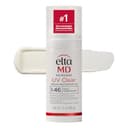
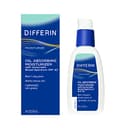
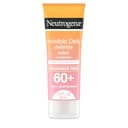
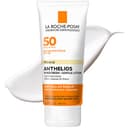
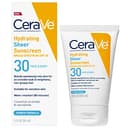
The five compared on what the labels actually state
Filters, SPF and format are the three things a sunscreen label is required or willing to disclose, so they are what a comparison can honestly be built on. Everything in this table is read from the listing and the Drug Facts panel on the dates shown on each pick below.
| Sunscreen | Filter type | SPF | Size | Fragrance-free |
|---|
| EltaMD UV Clear | Zinc oxide, with 5% niacinamide | 46 | 48 ml | Yes |
|---|
| Differin Oil Absorbing | Avobenzone 3%, octisalate 5%, octocrylene 7% | 30 | 118 ml | Yes |
|---|
| Neutrogena Invisible Daily Defense | Chemical filters | 60 | 88 ml | Yes |
|---|
| La Roche-Posay Anthelios Mineral | 100% mineral (titanium dioxide + zinc oxide) | 50 | 50 ml | Yes |
|---|
| CeraVe Hydrating Mineral | 100% mineral (titanium dioxide + zinc oxide) | 30 | 75 ml | Yes |
|---|
What actually matters when your skin breaks out
“Non-comedogenic” is a marketing word, not a standard
There is no U.S. regulatory definition of non-comedogenic, no required test and no body that audits the claim. A brand can print it because an old rabbit-ear assay said so, or because it decided the formula looked light. Treat it as a statement of intent and read the ingredient list instead: that is the only place the formula is actually disclosed. What is worth looking for is an oil-free base, a matte or neutral finish, and the absence of heavy plant butters and waxes high in the list.
Fragrance is the avoidable irritant
Fragrance buys your skin nothing and is the most common cause of cosmetic contact reactions. On skin that is already dried out by benzoyl peroxide or a retinoid, a perfumed sunscreen is the layer most likely to sting and get blamed on the treatment. All five picks here are fragrance-free, which is less of a coincidence than a filter: it rules out most of the shelf.
Mineral or chemical matters less than whether you will wear it
Both filter types are regulated sunscreens and both work. Mineral filters sit on the surface and tend to suit skin that stings easily, at the cost of a cast and a heavier feel; chemical filters are cosmetically lighter and cast-free, but a few of them sting around the eyes. The honest version of the mineral versus chemical question is that the best sunscreen for acne-prone skin is the one you will put on by the half-teaspoon every morning without resenting it.
Niacinamide earns its place; most other add-ins do not
UV Clear is the only pick here with a meaningful treatment active in it, and it is the right one: 5% niacinamide is the concentration the published work on redness, barrier lipids and sebum used. That is the exception. Most “acne-fighting” sunscreens add a token salicylic acid at an unstated level, which gives you a rinse-off-strength acid in a leave-on product and no stated dose to judge. If you want salicylic acid to do something, use it as its own step — our chemical exfoliant picks cover the leave-on versions that state a percentage.
SPF 30 is the floor, and quantity beats the number
The FDA and the AAD both set SPF 30 broad-spectrum as the everyday minimum, and every pick here clears it. The number on the bottle, though, assumes an application rate most people never hit — about a quarter teaspoon for a face. A cheap SPF 60 applied generously protects better than a prestige SPF 50 applied in a thin smear, which is the whole case for the Neutrogena pick and the reason how much you apply deserves more attention than which bottle you bought.
Wearing SPF over an acne routine
The sequence that works is the boring one. Benzoyl peroxide or adapalene at night, nothing clever in the morning: cleanse, a light moisturizer if your skin needs one, then sunscreen as the last step. Let each layer settle for a minute before the next one — stacking a sunscreen onto a still-wet serum is the most common cause of the greasy pilling people blame on the SPF, which pilling goes into in detail.
Two specific pairings to know. Benzoyl peroxide can bleach fabric and will happily discolor a tinted sunscreen, so keep the two in separate routines rather than layering them in the same step. And if your skin is peeling from a treatment, that is a barrier problem, not a reason to drop SPF — add a plain moisturizer underneath instead, the approach calming irritated skin sets out.
What we left out, and why
No sunscreen powders or sticks: they are genuinely useful for reapplying over makeup, but we have no listing-level filter disclosure for the ones worth recommending, and we do not pick products we cannot read the panel on. No tinted sunscreens in this list either — tint is a real benefit for post-acne marks, but it belongs in a shade conversation, which we handle in sunscreen for deeper skin tones. And no sunscreen whose acne credentials rest on an unstated salicylic acid dose, for the reason above.