Barrier & Balm

Best Moisturizers for Acne-Prone Skin

Oil-free, non-comedogenic moisturizers that hydrate skin on benzoyl peroxide, salicylic acid or adapalene without feeding the next breakout — with a daytime SPF pick and one for sensitive, treatment-dried skin.

By Stephen V.Last updated How we pick

The moisturizer is the step acne-prone skin most wants to skip, and the one it can least afford to. Every acne active that works — benzoyl peroxide, salicylic acid, adapalene, a retinol — works partly by drying, peeling or thinning the top layer of skin, and a barrier that is stripped by treatment becomes red, tight and flaky, then compensates with more oil. That is the cycle behind “my acne cream made me break out more.” A moisturizer that suits acne-prone skin is not a luxury on top of the treatment; it is what lets you keep using the treatment long enough for it to work.

So we compare on what a formula leaves out as much as what it puts in: oil-free, non-comedogenic, fragrance-free, built on humectants and ceramides rather than the butters and plant oils that congest pores. Our picks run from the drugstore lotion that belongs in most acne routines, through an oil-absorbing gel-cream and a daytime moisturizer that doubles as SPF 30, to a 19-ingredient option for skin that a treatment has left raw. We have not tested these on our own faces and we do not claim to; every spec below is read from the published ingredient list or the Drug Facts label, and prices are live from the retailer, not typed in by us.

How this is funded: we earn a commission if you buy through our links, at no extra cost to you. It never changes which product we recommend, and we’ll tell you when we’d skip one. Full disclosure.

Quick picks

Ranked on formulation, stated concentration and buyer fit. Select a row to jump to the full write-up. We have not tested these products — here is exactly what we do instead.

#ProductBest forPrice
1
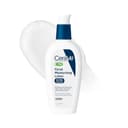
CeraVe PM Facial Moisturizing Lotion

CeraVe PM Facial Moisturizing Lotion

A lightweight night lotion with ceramides and niacinamide — light enough that oily and acne-prone skin will actually wear it, which is why it shows up in so many routines.

Best overall
$13.62 · View on Amazon

$19.9932% off

Price as of September 22, 2026. #ad How we’re funded

2
CeraVe Oil Control Moisturizing Gel-Cream

CeraVe Oil Control Moisturizing Gel-Cream

The moisturizer CeraVe built specifically for oily skin — an oil-free gel-cream that hydrates with ceramides and niacinamide while an oil-absorbing complex keeps shine down. It does the barrier job of a good CeraVe without the heavy finish, which is why it's the default oily-skin pick.

Best for oily, acne-prone skin
$15.97 · View on Amazon

$19.9920% off

Price as of September 22, 2026. #ad How we’re funded

3
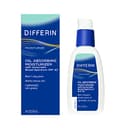
Differin Oil Absorbing Moisturizer SPF 30

Differin Oil Absorbing Moisturizer SPF 30

The daytime moisturizer from the makers of Differin Gel (over-the-counter adapalene) — an oil-free SPF 30 lotion designed to sit over adapalene without stinging, with silica and starch to absorb oil and a low-dose filter blend for people who find sunscreens irritating. It replaces two steps for acne-prone skin that keeps skipping SPF.

Best daytime, with SPF 30
$10.69 · View on Amazon

$13.2920% off

Price as of September 22, 2026. #ad How we’re funded

4
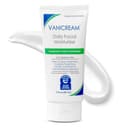
Vanicream Daily Facial Moisturizer

Vanicream Daily Facial Moisturizer

One of the shortest ingredient lists in the category — 19 ingredients, five ceramides, hyaluronic acid and squalane, and nothing to react to. If a benzoyl peroxide or adapalene routine has left your skin raw, this is the moisturizer that calms it down without clogging it back up.

Best for sensitive, treatment-dried skin
$13.29 · View on Amazon

$14.9511% off

Price as of September 22, 2026. #ad How we’re funded

5
Paula's Choice CLEAR Oil-Free Moisturizer

Paula's Choice CLEAR Oil-Free Moisturizer

A water-light, oil-free moisturizer aimed at acne-prone skin that still needs hydration — niacinamide and ceramides do the barrier and pore work, antioxidants calm redness, and nothing in it adds oil. The catch is the prestige price for a small bottle.

Best for red, irritated breakouts
$42.00 · View on Amazon

Price as of September 22, 2026. #ad How we’re funded

The picks in full

#1Best overall

CeraVe PM Facial Moisturizing Lotion

A lightweight night lotion with ceramides and niacinamide — light enough that oily and acne-prone skin will actually wear it, which is why it shows up in so many routines.

Strengths

  • Ceramides + niacinamide in a near-weightless lotion
  • Non-comedogenic and fragrance-free
  • Pairs well over actives like retinol or BHA

Trade-offs

  • Too light for very dry skin in winter
  • Pump can dispense unevenly as it empties
Key activeCeramides + niacinamide
Stated concentrationNot published
FormatLight lotion
Fragrance-freeYes
Best forOily, Combination, Acne-prone

Formulation note. Ceramides + niacinamide + hyaluronic acid in a lightweight lotion. Light texture is the whole point — it's the moisturizer oily skin won't skip.

Ingredients and claims read from the product listing, on July 17, 2026. “Not published” means the brand does not state that figure.

#2Best for oily, acne-prone skin

CeraVe Oil Control Moisturizing Gel-Cream

The moisturizer CeraVe built specifically for oily skin — an oil-free gel-cream that hydrates with ceramides and niacinamide while an oil-absorbing complex keeps shine down. It does the barrier job of a good CeraVe without the heavy finish, which is why it's the default oily-skin pick.

Strengths

  • Oil-absorbing complex plus niacinamide targets shine, not just hydration
  • 3 essential ceramides + hyaluronic acid still support the barrier
  • Fragrance-free, oil-free, non-comedogenic, and inexpensive

Trade-offs

  • The matte finish can feel a touch bare on drier patches of combination skin
  • Does not publish the niacinamide percentage
Key activeNiacinamide + oil-absorbing complex
Stated concentrationNot published
FormatOil-free gel-cream
Fragrance-freeYes
Best forOily, Combination, Acne-prone

Formulation note. Niacinamide + hyaluronic acid + ceramides NP, AP and EOP, with a silica-based oil-absorbing technology in a lightweight gel-cream. The oil-absorbers and matte finish are what set it apart from the richer CeraVe creams; the niacinamide strength itself is not disclosed.

Ingredients and claims read from the product listing, on July 28, 2026. “Not published” means the brand does not state that figure.

#3Best daytime, with SPF 30

Differin Oil Absorbing Moisturizer SPF 30

The daytime moisturizer from the makers of Differin Gel (over-the-counter adapalene) — an oil-free SPF 30 lotion designed to sit over adapalene without stinging, with silica and starch to absorb oil and a low-dose filter blend for people who find sunscreens irritating. It replaces two steps for acne-prone skin that keeps skipping SPF.

Strengths

  • Broad-spectrum SPF 30 from avobenzone 3%, octisalate 5% and octocrylene 7% — the actives are on the Drug Facts label
  • Oil-free, fragrance-free, non-comedogenic; silica and aluminum starch absorb shine through the day
  • Ceramide NP, glycerin, panthenol and allantoin soothe the dryness acne treatments cause

Trade-offs

  • Chemical filters only — if your skin reacts to avobenzone or octocrylene, choose a mineral SPF
  • SPF 30 is the floor, not the ceiling; a full face needs a quarter-teaspoon, which is more than most people use of a moisturizer
  • Matte, slightly powdery finish can look flat on drier cheeks
Key activeSPF 30 (avobenzone, octisalate, octocrylene) + ceramide NP
Stated concentrationAvobenzone 3%, octisalate 5%, octocrylene 7%
FormatOil-free matte lotion
Fragrance-freeYes
Best forOily, Acne-prone, Combination

Formulation note. Drug Facts actives: avobenzone 3%, octisalate 5%, octocrylene 7%. Inactives include glycerin, dimethicone, silica and aluminum starch octenylsuccinate (the oil absorbers), ceramide NP, panthenol, allantoin, glycyrrhetinic acid, zinc gluconate and tocopheryl acetate. No fragrance, no plant oils. Galderma describes the sunscreen as an 'oleosome' delivery with a low filter concentration for minimal irritation; we report that as the brand's claim.

Ingredients and claims read from the product listing, on September 21, 2026. “Not published” means the brand does not state that figure.

#4Best for sensitive, treatment-dried skin

Vanicream Daily Facial Moisturizer

One of the shortest ingredient lists in the category — 19 ingredients, five ceramides, hyaluronic acid and squalane, and nothing to react to. If a benzoyl peroxide or adapalene routine has left your skin raw, this is the moisturizer that calms it down without clogging it back up.

Strengths

  • Fragrance-free, oil-free and non-comedogenic, with no dyes, lanolin, parabens or plant oils in the INCI
  • Five ceramides (EOP, NG, NP, AS, AP) plus hyaluronic acid for barrier repair
  • Light enough for daytime under sunscreen, cushiony enough over an acne treatment at night

Trade-offs

  • No niacinamide or oil-absorbing ingredients — it hydrates, it does not mattify
  • Squalane-based, so very oily skin may prefer a true gel
  • Plain tube and no SPF; you still need a separate sunscreen
Key activeCeramides + hyaluronic acid + squalane
Stated concentrationNot published
FormatLightweight lotion
Fragrance-freeYes
Best forSensitive, Acne-prone, Combination, Normal

Formulation note. Water, squalane, glycerin, pentylene glycol, then a glyceryl stearate / stearyl alcohol emulsifier base, hyaluronic acid, ceramides EOP, NG, NP, AS and AP, carnosine, hydrogenated lecithin and phytosterols — 19 ingredients total, none of them fragrance, dye, lanolin, parabens or formaldehyde releasers. The brand states oil-free and non-comedogenic; no active percentages are published.

Ingredients and claims read from the product listing, on September 21, 2026. “Not published” means the brand does not state that figure.

#5Best for red, irritated breakouts

Paula's Choice CLEAR Oil-Free Moisturizer

A water-light, oil-free moisturizer aimed at acne-prone skin that still needs hydration — niacinamide and ceramides do the barrier and pore work, antioxidants calm redness, and nothing in it adds oil. The catch is the prestige price for a small bottle.

Strengths

  • Niacinamide for pores plus ceramides and hyaluronic acid for the barrier
  • Licorice, blueberry and pumpkin antioxidants help soothe redness
  • Oil-free, fragrance-free and non-comedogenic

Trade-offs

  • Premium price for a 60ml bottle next to the drugstore options
  • Water-light finish is not enough on its own for genuinely dry patches
Key activeNiacinamide + ceramides
Stated concentrationNot published
FormatWater-light lotion
Fragrance-freeYes
Best forOily, Acne-prone, Combination

Formulation note. Niacinamide + ceramides NP, AP and EOP + sodium hyaluronate, with tripeptide-29 and antioxidant licorice root, blueberry and pumpkin extracts. Fragrance-free and oil-free; the antioxidant and soothing layer is what separates it from a plain oil-free lotion, though the niacinamide percentage is not stated.

Ingredients and claims read from the product listing, on July 28, 2026. “Not published” means the brand does not state that figure.

How to choose a moisturizer for acne-prone skin

Acne-prone skin is not the same thing as oily skin, even though the two overlap. Plenty of people break out with combination or even dry skin, especially once a treatment routine is underway, so the right moisturizer is not simply “the lightest one.” It is the one that hydrates enough to keep the barrier calm under your actives while carrying nothing that helps a pore clog. Four criteria do most of the sorting.

1. Non-comedogenic and oil-free, then read the list anyway

“Non-comedogenic” means the brand formulated the product to avoid ingredients with a track record of clogging pores. It is a useful first filter and every pick above carries it, but the term is not regulated and it is not a guarantee for your skin. Oil-free is more concrete: the formula hydrates with water-binding humectants — glycerin, hyaluronic acid — and silicones instead of plant oils and butters. For acne-prone skin, that is the texture to want. Coconut oil, cocoa butter, and heavy waxes near the top of an ingredient list are the things to walk away from, whatever the front of the tube promises. If you want to learn to read a label quickly, our guide to reading skincare ingredient labels covers the shortcuts.

2. Ceramides and niacinamide earn their place; fragrance does not

The two ingredients with a real reason to be in an acne-prone moisturizer are ceramides, the lipids that make up much of the skin barrier and are depleted by acne treatments, and niacinamide, which published reviews credit with supporting barrier function, moderating sebum and calming redness. Three of our five picks carry both. What has no reason to be there is fragrance. Acne-prone skin under treatment is already irritated, and fragrance is the most common cosmetic allergen; a moisturizer that smells nice is adding risk to a step whose entire job is to reduce it. Every pick on this page is fragrance-free by its published ingredient list, not just by the marketing line — a distinction that, as you will see below, matters.

3. Match the texture to the job, morning versus night

Morning and night ask different things of a moisturizer. In the morning it sits under sunscreen, or is the sunscreen, and needs to control shine through the day. At night it sits over a treatment and needs to buffer it. A thin oil-free lotion or gel-cream does the morning job; a slightly cushier lotion with ceramides does the night job better. That is why the list above has both a mattifying gel-cream and a plainer, richer-feeling lotion rather than five versions of the same gel. If your skin is dry outside the T-zone, use the richer texture everywhere and the gel only where you shine. And if you are unsure which camp you fall in, start with how to tell your skin type.

4. SPF in the moisturizer: convenient, with one honest caveat

Every acne active raises sun sensitivity, and several — adapalene, benzoyl peroxide, the acids — make daily sunscreen non-negotiable rather than advisable. A moisturizer with SPF 30 solves the problem of the step nobody does. The caveat is quantity: sunscreen only delivers its labeled SPF at about a quarter-teaspoon for the face, which is more than most people apply of a moisturizer. Use enough, or treat the SPF-moisturizer as a base and add a proper sunscreen on top. Our how much sunscreen to apply guide has the two-finger rule if you want a visual.

How each pick fits the routine

Rather than five interchangeable lotions, the picks split into roles. CeraVe PM Facial Moisturizing Lotion is the default: ceramides and niacinamide in a lotion light enough that oily skin wears it, cheap enough to use generously, and inoffensive enough to layer over any treatment. Despite the “PM,” it is fine in the morning under SPF too. It is the moisturizer we recommend most often across the site, including in our best skincare for acne-prone skin roundup, because the ingredient list simply gives acne-prone skin nothing to argue with.

CeraVe Oil Control Moisturizing Gel-Cream is for the subset of acne-prone skin that is also genuinely oily by lunchtime. It keeps the same ceramide-plus-niacinamide backbone and adds a silica-based oil-absorbing technology and a matte finish. If shine is your main complaint alongside breakouts, start here instead of with the PM lotion; if you get dry patches on adapalene, the matte finish will feel bare and the PM lotion is the better night step. It is also the top pick in our best moisturizers for oily skin guide, for the same reasons.

Differin Oil Absorbing Moisturizer SPF 30 is the daytime answer. Galderma, the company behind the over-the-counter adapalene gel, built it to sit over that treatment: oil-free, fragrance-free, with silica and starch to absorb oil and a ceramide, panthenol and allantoin trio to take the edge off retinoid dryness. Its sunscreen actives are printed on the Drug Facts label — avobenzone 3%, octisalate 5%, octocrylene 7% — which is more than most “SPF moisturizers” disclose in their marketing. The trade-off is that those are chemical filters, and a minority of sensitive skins react to avobenzone or octocrylene; if that is you, use a mineral sunscreen over one of the other picks instead. Our best mineral sunscreens guide covers that route.

Vanicream Daily Facial Moisturizer is the elimination-diet pick. Nineteen ingredients — water, squalane, glycerin, five ceramides, hyaluronic acid, a plain emulsifier base — and no fragrance, dye, lanolin or plant oil. It does not mattify and it does not contain niacinamide; it hydrates and repairs, quietly. That makes it the moisturizer for skin that a benzoyl peroxide or adapalene course has left stinging, and for anyone who has reacted to something in the other four and wants a formula with nothing to blame. Very oily skin may find the squalane base a touch too comfortable; everyone else will not notice it.

Paula’s Choice CLEAR Oil-Free Moisturizer is the upgrade for red, angry breakouts. It carries the same niacinamide and ceramide core as the CeraVe picks and adds a layer of antioxidant, soothing extracts — licorice root, blueberry, pumpkin — in a water-light lotion. The honest con is price: it is a prestige-tier product in a small bottle next to drugstore rivals that do 80% of the same job. Buy it when redness and irritation are the problem you are solving; buy the CeraVe when plain hydration is.

What we left out, and why

Two products come up constantly in “best moisturizer for acne” lists and did not make ours. La Roche-Posay Effaclar Mat is a genuinely good mattifying moisturizer for oily skin, and its retail copy says “fragrance-free” — but the US ingredient list published by two separate retailers includes both parfum and alcohol denat. We could not reconcile the claim with the label, and on an acne-prone page where fragrance is the first thing we tell you to avoid, we are not going to recommend a product whose INCI contradicts its marketing. The second is the classic Neutrogena Hydro Boost Water Gel: an excellent hyaluronic-acid gel for oily skin, and one we do recommend elsewhere, but the signature version is fragranced and the fragrance-free variant is the one acne-prone skin should buy. Neither omission is a verdict on the product; both are the ingredient-literacy rule doing its job.

We also left out anything with added benzoyl peroxide or salicylic acid in the moisturizer itself. A moisturizer’s job on acne-prone skin is to be the step that doesn’t treat, so the actives can be dosed separately and dialed up or down. Putting an exfoliant in the moisturizer removes that control, and it is the fastest way to end up with the over-exfoliated, shiny-and-flaky skin described in our guide to the signs of over-exfoliation.

Where the moisturizer goes in an acne routine

Cleanse, treat, moisturize, protect — in that order, morning and night. In the morning: gentle cleanser, any leave-on treatment you use in the daytime, then either the Differin SPF 30 as a combined step or one of the other picks under a separate sunscreen. At night: cleanser, your acne treatment on the nights you use it, then the moisturizer over the top once the treatment has absorbed. If a treatment is stinging, the “sandwich” — a thin layer of moisturizer under the treatment as well as over it — buffers it without meaningfully reducing the effect, and is the standard dermatology advice for easing into a retinoid. The full sequence, with what to do on nights you are not treating, is in our skincare routine for acne-prone skin. And if your breakouts are cystic, painful or scarring, a moisturizer is not the fix — that is a conversation for a dermatologist about prescription options, and the sooner the better.
Frequently asked questions

Does acne-prone skin really need a moisturizer?

Yes. Acne treatments work partly by drying and peeling the skin, and a barrier left stripped becomes red, flaky and often oilier as it compensates. That makes the treatment harder to tolerate and easier to quit. An oil-free, non-comedogenic moisturizer keeps the barrier calm so you can stay on the active long enough for it to work.

What does non-comedogenic actually mean?

It means the brand formulated the product to avoid ingredients with a track record of clogging pores. It is a useful first filter but not a regulated or guaranteed claim, so read the ingredient list too. Oil-free, humectant-based formulas built on glycerin, hyaluronic acid and ceramides are the safest bet; heavy plant oils and butters near the top of the list are the ones to avoid.

Should I use a moisturizer with SPF or a separate sunscreen?

Either works, as long as you apply enough. A moisturizer only delivers its labeled SPF at sunscreen quantities — roughly a quarter-teaspoon for the face — which is more than most people use of a moisturizer. If you will not apply that much, use a light moisturizer and a separate sunscreen on top. Acne actives raise sun sensitivity, so daily SPF is not optional.

Can I put moisturizer over benzoyl peroxide or adapalene?

Yes, and you should. Apply the treatment to clean, dry skin, let it absorb for a few minutes, then moisturize over it. If it stings, apply a thin layer of moisturizer before the treatment as well — the 'sandwich' method buffers irritation without meaningfully reducing the effect and is the standard way to ease into a retinoid.

Why is fragrance a problem for acne-prone skin?

Fragrance is the most common cosmetic allergen, and skin under acne treatment is already irritated, so a fragranced moisturizer adds risk to the one step meant to reduce it. It does not cause acne directly, but irritation and redness make breakouts look worse and make actives harder to tolerate. Check the ingredient list for 'parfum' or 'fragrance' rather than trusting the front label.

Will a moisturizer make my acne worse?

A rich, oil-based cream can, by adding to the mix of sebum and dead skin that plugs a pore. An oil-free, non-comedogenic lotion or gel-cream is designed not to. If you start a new moisturizer and get small bumps within a couple of weeks, stop it and switch to a simpler formula like the Vanicream — but do not stop moisturizing altogether.

Sources

Keep reading