Barrier & Balm

Best Lactic Acid Serums

Lactic acid is the AHA that hydrates while it exfoliates — so the only question worth asking is how much of it is in the bottle. Three of these six tell you. The most expensive one does not.

By Stephen V.Last updated How we pick

Lactic acid is the alpha hydroxy acid for people whose skin is dry and dull rather than oily and congested. Like every AHA it loosens the bonds holding dead cells on the surface, which is what smooths texture and brings back some light. Unlike the others, it is also a humectant— it holds water — so it tends to leave skin feeling cushioned instead of squeaky. That single property is why it is the acid most often recommended to people who tried glycolic, hated it, and concluded exfoliation was not for them.

Which makes the shopping problem narrow and specific: strength and pH decide everything, and most brands publish neither.A 5% lactic acid at pH 3.8 and a 10% at the same pH are genuinely different products; an unlabeled “lactic acid treatment” could be either, or much weaker. So we ranked these six on what each brand is willing to state in writing — the percentage, the pH, the fragrance status — and on whether the format matches the job. Every pick is real, currently sold and carries honest drawbacks. Prices below are live.

How this is funded: we earn a commission if you buy through our links, at no extra cost to you. It never changes which product we recommend, and we’ll tell you when we’d skip one. Full disclosure.

Quick picks

Ranked on formulation, stated concentration and buyer fit. Select a row to jump to the full write-up. We have not tested these products — here is exactly what we do instead.

#ProductBest forPrice
1
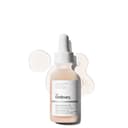
The Ordinary Lactic Acid 10% + HA

The Ordinary Lactic Acid 10% + HA

A stated 10% lactic acid — the gentler alpha-hydroxy acid — buffered with hyaluronic acid and a pepperberry anti-irritant. It smooths and brightens while staying more hydrating than glycolic, which is why it's the AHA to start on for drier skin.

Best overall
$9.20 · View on Amazon

Price as of November 5, 2026. #ad How we’re funded

2
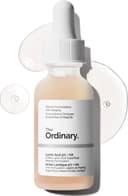
The Ordinary Lactic Acid 5% + HA

The Ordinary Lactic Acid 5% + HA

Half the acid of the 10% for roughly the same money — the honest place to start if you have never used an AHA, and the one to stay on if 10% stings.

Best for beginners
$8.10 · View on Amazon

Price as of November 5, 2026. #ad How we’re funded

3
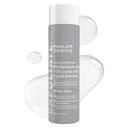
Paula's Choice 6% Mandelic + 2% Lactic Acid Liquid Exfoliant

Paula's Choice 6% Mandelic + 2% Lactic Acid Liquid Exfoliant

The one to buy when a straight lactic acid stings: 6% mandelic does the work slowly and the 2% lactic rides along for hydration. It also costs four times what the budget bottles do.

Best for reactive skin
$37.00 · View on Amazon

Price as of November 5, 2026. #ad How we’re funded

4
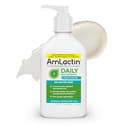
AmLactin Daily Nourish 5% Face & Body Lotion

AmLactin Daily Nourish 5% Face & Body Lotion

Lactic acid in a lotion instead of a serum, sold for face and body — the cheapest way by far to treat rough, dry skin everywhere from one bottle.

Best for face and body
$11.97 · View on Amazon

Price as of November 5, 2026. #ad How we’re funded

5
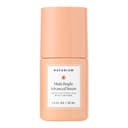
Naturium Multi-Bright Advanced Serum

Naturium Multi-Bright Advanced Serum

A lactic-plus-glycolic blend aimed at tone rather than texture. Worth a look if dullness is the complaint — but neither percentage is published, so you are buying on the brand's word.

Best for uneven tone
$18.00 · View on Amazon

$23.9925% off

Price as of November 5, 2026. #ad How we’re funded

6
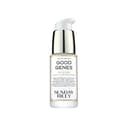
Sunday Riley Good Genes All-In-One Lactic Acid Treatment

Sunday Riley Good Genes All-In-One Lactic Acid Treatment

The famous one, and the one that makes this category's point for us: a prestige lactic treatment that will not state its percentage, sitting on the same shelf as a bottle that prints 10% on the front for a fraction of the price.

The prestige option
$85.00 · View on Amazon

Price as of November 5, 2026. #ad How we’re funded

The picks in full

#1Best overall

The Ordinary Lactic Acid 10% + HA

A stated 10% lactic acid — the gentler alpha-hydroxy acid — buffered with hyaluronic acid and a pepperberry anti-irritant. It smooths and brightens while staying more hydrating than glycolic, which is why it's the AHA to start on for drier skin.

Strengths

  • Publishes an exact 10% lactic acid, an AHA milder than glycolic
  • Hyaluronic acid and Tasmanian pepperberry offset the dryness and sting
  • Fragrance-free, and a few dollars a bottle

Trade-offs

  • A water-based acid can still sting a compromised barrier — patch test first
  • Slower on stubborn texture than a stronger glycolic
Key activeLactic acid (AHA)
Stated concentration10%
FormatWater-based serum
Fragrance-freeYes
Best forDry, Normal, AHA beginners

Formulation note. 10% lactic acid + hyaluronic acid + Tasmanian pepperberry extract, at a pH around 3.8. Lactic is a larger AHA molecule than glycolic, so it exfoliates a little more gently and holds more water — the reason it suits dry skin better than a glycolic.

Ingredients and claims read from the product listing, on July 24, 2026. “Not published” means the brand does not state that figure.

#2Best for beginners

The Ordinary Lactic Acid 5% + HA

Half the acid of the 10% for roughly the same money — the honest place to start if you have never used an AHA, and the one to stay on if 10% stings.

Strengths

  • Publishes everything: 5% lactic acid, 2% HA and a pH of 3.60-3.80
  • Fifteen-ingredient formula with no fragrance, no alcohol and no oil
  • Costs within a dollar of the 10%, so stepping up later is free

Trade-offs

  • Slower on rough texture than a 10% — think weeks, not nights
  • The brand calls it ideal for sensitive skin, then prints “do not use on sensitive, peeling or compromised skin” in the directions
  • Glass dropper bottle is easy to over-pour
Key activeLactic acid (AHA)
Stated concentration5%
FormatWater-based serum
Fragrance-freeYes
Best forDry, Normal, Sensitive, AHA beginners

Formulation note. Water, lactic acid, glycerin, pentylene glycol, propanediol, sodium hyaluronate crosspolymer and Tasmannia lanceolata (pepperberry) fruit/leaf extract, at a stated pH of 3.60-3.80 — the brand describes it as approximately 3.8, which is lactic acid's own pKa, so about half the acid sits in its free, active form. No fragrance or parfum appears anywhere on the fifteen-ingredient list, and the label carries the FDA-recommended AHA sunburn alert in full.

Ingredients and claims read from the product listing, on November 4, 2026. “Not published” means the brand does not state that figure.

#3Best for reactive skin

Paula's Choice 6% Mandelic + 2% Lactic Acid Liquid Exfoliant

The one to buy when a straight lactic acid stings: 6% mandelic does the work slowly and the 2% lactic rides along for hydration. It also costs four times what the budget bottles do.

Strengths

  • Both acids are on the label, and the listing states fragrance-free
  • Mandelic's larger molecule diffuses more slowly, so there is less flush
  • Sold in a 1 fl oz travel size too, which is a cheap way to test tolerance

Trade-offs

  • Lactic is the junior partner at 2% — this is a mandelic product with lactic support
  • Premium price against single-acid rivals that publish their numbers too
  • No pH published, and pH decides how much of those acids is active
Key activeMandelic acid (AHA) + lactic acid (AHA)
Stated concentration6% mandelic + 2% lactic
FormatWatery liquid exfoliant
Fragrance-freeYes
Best forSensitive, Dry, Combination, Pigmentation-prone

Formulation note. Water, 2,3-butanediol, mandelic acid, lactic acid, sodium hydroxide (the buffer that sets the final pH), bayberry fruit extract and Akebia quinata fruit extract on the retailer INCI. The listing states fragrance-free and sensitive-skin suitability; no pH figure is published for either acid.

Ingredients and claims read from the product listing, on November 4, 2026. “Not published” means the brand does not state that figure.

#4Best for face and body

AmLactin Daily Nourish 5% Face & Body Lotion

Lactic acid in a lotion instead of a serum, sold for face and body — the cheapest way by far to treat rough, dry skin everywhere from one bottle.

Strengths

  • States 5% lactic acid and is sold explicitly for face as well as body
  • A 7.9 oz bottle costs less per use than any 30 ml serum on this page
  • Exfoliant and moisturizer in one step, which suits a short routine

Trade-offs

  • A lotion cannot be layered like a treatment — it is your moisturizer that night or it is nothing
  • No pH and no fragrance-free claim published
  • Body-lotion packaging: no dropper, so dosing is rough
Key activeLactic acid (AHA)
Stated concentration5%
FormatLight lotion
Fragrance-freeNot published
Best forDry, Normal, Rough or bumpy skin

Formulation note. A 7.9 oz (about 234 ml) lotion sold on 5% lactic acid for face and body, positioned as a no-scrub exfoliating moisturizer for dry skin. AmLactin publishes the percentage, which is more than most lotions manage, but publishes no pH and makes no fragrance-free claim — and in a lotion base the pH is what decides how much of that 5% is free acid.

Ingredients and claims read from the product listing, on November 4, 2026. “Not published” means the brand does not state that figure.

#5Best for uneven tone

Naturium Multi-Bright Advanced Serum

A lactic-plus-glycolic blend aimed at tone rather than texture. Worth a look if dullness is the complaint — but neither percentage is published, so you are buying on the brand's word.

Strengths

  • Pairs lactic with glycolic and L-arginine in a 30 ml dropper serum
  • Serum format gives you dose control a lotion does not
  • Mid-price rather than prestige for a two-acid formula

Trade-offs

  • No percentage published for either acid — the opposite of what the best bottles here do
  • Two AHAs in one bottle makes it harder to tell which one your skin is reacting to
  • Costs roughly twice a single-acid 10% that does state its number
Key activeLactic acid (AHA) + glycolic acid (AHA)
Stated concentrationNot published
FormatLightweight serum
Fragrance-freeNot published
Best forNormal, Combination, Dull or uneven tone

Formulation note. Sold as an exfoliating serum with lactic acid, glycolic acid and L-arginine in a 30 ml bottle. Neither acid percentage is published and no pH is given, so the listing's “radiant glow” language is the only guide to how active the formula actually is — a gap worth weighing against the bottles on this page that print their numbers.

Ingredients and claims read from the product listing, on November 4, 2026. “Not published” means the brand does not state that figure.

#6The prestige option

Sunday Riley Good Genes All-In-One Lactic Acid Treatment

The famous one, and the one that makes this category's point for us: a prestige lactic treatment that will not state its percentage, sitting on the same shelf as a bottle that prints 10% on the front for a fraction of the price.

Strengths

  • Pairs its lactic acid with licorice, prickly pear, aloe and arnica extracts
  • Sold in 0.5 oz, 1 oz and 1.7 oz, so the small size is a cheaper way to try it
  • A long-established formula that is widely stocked rather than a new launch

Trade-offs

  • No lactic acid percentage published — “high potency, purified grade” is a claim, not a number
  • Retailer listings disagree on fragrance: one marks it fragrance-free, another declares under 1% synthetic fragrance, and lemongrass is a named key ingredient
  • Many times the cost per ml of the bottles here that do state their strength
Key activeLactic acid (AHA)
Stated concentrationNot published
FormatLightweight lotion-serum
Fragrance-freeNot published
Best forNormal, Dry, Combination

Formulation note. Marketed on “high potency, purified grade lactic acid” with licorice, lemongrass, arnica, prickly pear and aloe among the named key ingredients. No percentage and no pH are published, and retailer listings conflict on the fragrance claim — which is why both of those fields read Not published here rather than being filled in from marketing copy.

Ingredients and claims read from the product listing, on November 4, 2026. “Not published” means the brand does not state that figure.

How we judged these

We own no units and we ran no tests, so you will not read a sentence here about how any of these felt on our skin. What we can do — and what almost no one does in this category — is check what each brand puts in writing and rank the bottles by that. Four criteria, in order of how much they matter:

1. Is the percentage on the label? This is the whole ballgame. Lactic acid works in a dose-dependent way: the difference between a 5% and a 10% is the difference between a maintenance product and a resurfacing one. Three of these six print a number. One prints two numbers, for two different acids. Two print nothing at all, and one of those two is the most expensive product on the page. 2. Is the pH published? Almost nobody does this, which is a shame, because pH decides how much of the acid is in its active free form. Exactly one brand here publishes a pH range, and it is the same brand that publishes its percentages. 3. Is it buffered, and with what? An acid alongside glycerin, hyaluronic acid or an anti-irritant behaves differently from an acid alone. We note what is in the base rather than treating every 10% as equivalent. 4. Does the format match the job? A dropper serum, a liquid you sweep on with a pad and a face-and-body lotion are three different products at three different costs per use, and the right answer depends on where your rough skin actually is.

One thing we deliberately refused to weight: “clinically proven” and “high potency” on a listing. Neither phrase is a number. Where a brand uses them in place of a percentage, our product table shows Not publishedrather than quietly borrowing the marketing language — and the page says so out loud.

Why a number on the label matters more than the brand on it

Here is the uncomfortable arithmetic of this shelf. The cheapest bottle on this page states 10% lactic acid, states 2% hyaluronic acid, states a pH of 3.60–3.80, lists every one of its fifteen ingredients and prints the FDA-recommended AHA sunburn alert. The most expensive bottle on this page states that it contains “high potency, purified grade” lactic acid, and leaves it there. Both are real products from real companies, and one of them is asking you to pay many times more for strictly less information.

That is not an argument that cheap always wins. The prestige formula carries licorice, prickly pear, aloe and arnica extracts, the mid-price blend pairs two acids with L-arginine, and the reactive-skin pick leans on mandelic acid's larger molecule to slow absorption down. Those are real formulation choices with real reasons behind them. It is an argument that the percentage is the one spec you cannot infer from anything else— not from the price, not from the packaging, not from the brand's reputation — so a bottle that hides it has removed your ability to compare it with anything. Our lactic acid percentages guide works through which strength suits which skin, and the lactic acid explainer covers the mechanism.

pH: the spec that decides whether your 10% behaves like 10%

Lactic acid has a pKa of about 3.8, which is a chemistry way of saying that at pH 3.8 roughly half of it sits in its free, active form and the other half is neutralized. Push the pH up toward 5 and most of the acid stops exfoliating; push it down toward 3 and more of it is active, along with more of the sting. This is why a published pH is worth as much as a published percentage, and why a 10% lactic acid at an undisclosed pH is not a known quantity.

Only one brand on this page publishes a range — 3.60 to 3.80, for both its 5% and its 10% — and that is a large part of why those two bottles take our top two slots despite costing the least. Everywhere else you are trusting that the formulator landed somewhere sensible. For most products from established companies, they probably did. You just cannot check.

Which strength should you actually buy?

If you have never used an acid, buy the 5%. It costs within a dollar of the 10%, which means the cautious choice is not a financial sacrifice, and it gives your barrier a fortnight to tell you how it feels about chemical exfoliation before you commit to twice the dose. Plenty of people never need to move up.

If you have used a glycolic or a salicylic before without drama, go straight to the 10%. That is the strength where lactic acid starts meaningfully improving rough texture and dullness rather than just maintaining things, and it is still the gentlest of the commonly sold 10% acids. How the two families differ is laid out in lactic acid vs glycolic acid and lactic acid vs salicylic acid.

If your skin stings at the sight of an acid, do not buy a lactic acid at all as your first exfoliant — buy the mandelic blend. Mandelic acid has a larger molecule, so it diffuses in more slowly and evenly, and the 2% lactic in that formula is there for comfort rather than resurfacing. It is the most expensive route into the category per milliliter, and for genuinely reactive skin it is still the right one. Our gentlest exfoliants for sensitive skin covers the wider reactive-skin shelf, and lactic acid vs mandelic acid explains the trade-off in full.

If the rough skin is on your arms, legs or back as well as your face, the face-and-body lotion is the honest answer, and it is not a compromise pick. It states 5% lactic acid, it is sold explicitly for both, and a 7.9 oz bottle costs less per use than any 30 ml serum here. The trade-off is that a lotion is a one-step product: it is your moisturizer that night, so you cannot layer a different cream over it the way you would over a serum.

Serum, liquid or lotion: the format decides your routine

These six bottles are three different kinds of product, and the difference matters more than the marketing suggests. A dropper serumgives you dose control — three or four drops, patted on, followed by whatever moisturizer you already own. That is the flexible choice and the one that fits an existing routine. A liquid exfoliant is swept on with a cotton pad, which covers skin evenly and uses more product per application; it suits people who want the acid step to feel like a distinct step. A lotion merges the acid and the moisturizer, which is the simplest possible routine and the least adjustable one.

A practical note on all three: lactic acid does not need the elaborate packaging precautions that vitamin C does. There is no oxidation problem to engineer around, so a clear dropper bottle is not the red flag it would be on an L-ascorbic acid serum. Where these formulas do go off is slowly, through repeated exposure to air and warmth, which is an argument for the bottle you will finish rather than the biggest one on offer. Our guide to storing skincare covers what actually shortens a formula's life.

How to use a lactic acid serum

Lactic acid goes on at night, on clean dry skin, before your moisturizer. Start at two nights a weekand hold there for a fortnight before adding a third; the people who end up with a stinging, tight, over-exfoliated face almost never got there by using a product once — they got there by using three products at once from day one. Our how to use lactic acid guide has the full ramp, and how often to exfoliate sets the ceiling.

Two rules that are not negotiable. Sunscreen every morning— the AHA sunburn alert printed on these labels is there because exfoliated skin burns more easily, and unprotected UV undoes the tone improvement you are paying for. And do not stack it: a lactic acid, a glycolic toner and a retinol in the same routine is three exfoliating signals, not a faster result. Keep the acid and your retinoid on different nights, and read signs of over-exfoliation so you recognize the warning signs early. If you are adding your first acid to an existing routine, how to add exfoliation to your routine is the sequencing guide.

What lactic acid will not do, whatever a listing implies: it does not treat active acne the way a salicylic acid does, because it is water-soluble and cannot get down into an oil-filled pore. It does not fade a deep dermal pigment patch on its own. And it does not replace a moisturizer, even the one on this page that is a lotion in the first place — on genuinely dry skin you will still want a cream from our dry skin moisturizer picks on the nights you skip the acid.
Frequently asked questions

What percentage of lactic acid should a beginner use?

5% is the sensible start, and on this page it costs within a dollar of the 10% — so the cautious option is not the expensive one. Use it two nights a week for a fortnight before you change anything. Move to 10% only if your skin is comfortable at 5% and you want more than maintenance on rough texture. If a brand does not state a percentage at all, you cannot plan a ramp at all, which is a good reason to start with one that does.

Is lactic acid better than glycolic acid?

Not better — different. Lactic acid has a larger molecule than glycolic, so it penetrates a little less aggressively, and it is a humectant, so it holds water and leaves skin less stripped. Glycolic is the stronger resurfacer and the one with more published work behind it on photoaging. If your skin is dry, dull or easily irritated, lactic is the more comfortable choice; if it tolerates acids well and you want maximum smoothing, glycolic earns the spot.

Why does pH matter on a lactic acid serum?

Because pH decides how much of the acid is in its active free form. Lactic acid's pKa is about 3.8, so at pH 3.8 roughly half of it is active; raise the pH toward 5 and most of it stops exfoliating. That is why a published pH range is worth as much as a published percentage, and why an unlabeled 10% is not a known quantity. Exactly one brand on this page publishes a pH, and it is the same one that publishes its percentages.

Can I use a lactic acid serum with retinol?

Not on the same night, as a rule. Both increase cell turnover and both can irritate, and using them together mostly buys you a compromised barrier rather than faster results. Alternate nights — acid on one, retinoid on another — and if your skin is sensitive, give yourself a plain night between them. The same goes for stacking a lactic acid on top of a glycolic toner or a benzoyl peroxide wash: pick one exfoliating step per evening.

Does lactic acid help with acne?

Only indirectly. Lactic acid is water-soluble, so it works on the skin surface and cannot travel down into an oil-filled pore the way salicylic acid does. It can improve the rough, uneven texture and post-breakout marks left behind, and it is often better tolerated than a BHA on dry skin. But for active blackheads and clogged pores, salicylic acid is the better-matched acid, and benzoyl peroxide the better-matched treatment for inflamed spots.

Can lactic acid be used on the body?

Yes, and it is one of the few actives genuinely worth buying in a big bottle for that. Lactic acid is a long-standing choice for rough, dry and bumpy skin on arms, legs and backs, and one pick here is sold explicitly as a face and body lotion with a stated 5%. Patch test as you would on the face, keep it off freshly shaved skin, and use sunscreen on anything that sees daylight.

How long before a lactic acid serum does anything?

Surface smoothness and a bit of light usually turn up inside two or three weeks of consistent twice-weekly use, because that is just the top layer of dead cells being shed more efficiently. Tone evenness takes longer — think eight to twelve weeks — and that timeline assumes daily sunscreen, without which you are exfoliating and re-pigmenting at the same time. If nothing has changed after three months of honest use, the strength is probably too low for your skin rather than the acid being wrong.

Sources

Keep reading