Lactic Acid vs Mandelic Acid
Two of the gentlest AHAs, side by side: hydrating lactic acid versus slow, sensitive-skin-friendly mandelic acid, and how to tell which one your skin wants.
How this is funded: we earn a commission if you buy through our links, at no extra cost to you. It never changes which product we recommend, and we’ll tell you when we’d skip one. Full disclosure.
The best-value pick for each acid
Both from the same budget brand and both fragrance-free, so the acid is the only real variable. We have not tested either — the picks come from the published formulation facts, and prices are checked daily.
Gentler pick — mandelic acid
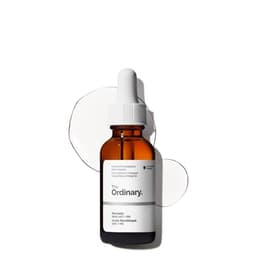
The Ordinary Mandelic Acid 10% + HA
A stated 10% mandelic — the largest, slowest-penetrating AHA — cushioned with hyaluronic acid. The sensible first exfoliant for reactive skin.
$7.80 · View on AmazonPrice as of September 15, 2026. #ad How we’re funded
Hydrating pick — lactic acid
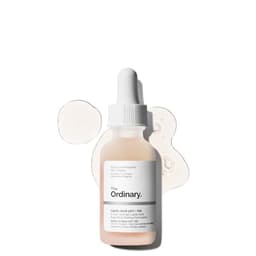
The Ordinary Lactic Acid 10% + HA
A stated 10% lactic acid with hyaluronic acid and an anti-irritant. Mild, and the one that leaves dry skin feeling less stripped.
$9.20 · View on AmazonPrice as of September 15, 2026. #ad How we’re funded
Lactic acid and mandelic acid are the two acids people reach for when they want the benefits of chemical exfoliation without the sting. Both are alpha hydroxy acids (AHAs), both are gentle, and both smooth and brighten skin — so this isn’t a battle of strong versus weak. It’s a subtler choice between hydrating lactic acid and slow, sensitive-skin-friendly mandelic acid. Here’s how the two differ and how to tell which one your skin will prefer.
What lactic acid does
Lactic acid is an AHA that’s best known for a rare double act: it exfoliates and hydrates at the same time. As an AHA it loosens dull surface cells to reveal smoother, brighter skin — the classic AHA payoff an FDA consumer guide describes for this family of water-soluble acids — but it also has humectant qualities, meaning it helps skin hold onto water. The result is exfoliation that tends to feel less stripping than other acids, which is why lactic acid is such a friendly pick for dry or dehydrated skin that still wants some resurfacing. Our lactic acid guide covers how to work it into a routine.
Lactic acid’s trade-offs are modest but worth naming. It’s a mid-weight AHA — gentler and larger-moleculed than glycolic acid, but smaller and a touch more active than mandelic — so at higher strengths it can still tingle or irritate reactive skin. And like every AHA it increases sun sensitivity, so it comes with a non-negotiable sunscreen requirement. It’s gentle, but “gentle” isn’t “consequence-free” — strength and frequency still matter.
What mandelic acid does
Mandelic acid is the AHA built for sensitive skin. Its standout feature is an unusually large molecule, which makes it penetrate slowly and evenly rather than diving straight in. That measured pace is why it causes so little of the sting and redness that faster acids can provoke, and why it’s the one so often recommended to acid beginners and reactive skin types. It still delivers the AHA benefits — smoother texture, a brighter, more even surface — just gradually and calmly. Our mandelic acid guide explains how to ease in, and if your skin runs reactive, our sensitive skin routine shows how to fit an acid around a gentle base.
The flip side of that slow, surface-level action is that mandelic acid is the least forceful of the group, so results build gradually and it’s not the acid for someone chasing fast, dramatic resurfacing. It also doesn’t bring lactic acid’s built-in hydration, so on very dry skin you’ll lean more on your moisturizer to make up the difference. Its whole value proposition is tolerability, not raw power.
At a glance
| Lactic acid | Mandelic acid | |
|---|---|---|
| Family | AHA (water-soluble) | AHA (water-soluble) |
| Signature trait | Hydrates while it exfoliates | Slow, even, low-irritation |
| Molecule size | Medium | Large (penetrates slowly) |
| Best for | Dry, dehydrated skin | Sensitive skin, acid beginners |
| Strength | Mild but a bit more active | The gentlest of the two |
| Sun sensitivity | Increases it — wear SPF | Increases it — wear SPF |
How to choose
Because they overlap so much, the deciding factor is usually the small print of your skin. If your main issue alongside dullness is dryness or dehydration — skin that feels tight and looks flat — lactic acid’s hydrating exfoliation is the more comfortable fit. If your skin is reactive, easily stung, or brand new to acids, mandelic acid’s slow, even action is the safer starting point. If you genuinely can’t decide, both are sensible; a common path is to start with mandelic to prove your tolerance and later try lactic for its hydration bonus. The American Academy of Dermatology’s general skincare basics apply throughout: keep the routine simple, be gentle, and don’t over-treat.
For a sense of where these sit on the wider spectrum, it helps to compare them against the stronger end of the family. Lactic acid is noticeably milder than glycolic acid — see our lactic vs glycolic comparison — while mandelic acid is gentler still. In other words, both of today’s contenders live at the calm end of the AHA world; you’re choosing between two soft options, not a soft one and a harsh one.
Using them safely
Treat either acid as something to introduce slowly. Clinical references on chemical exfoliation emphasize that the right strength and frequency — not the maximum — keep the process safe, so start once or twice a week and build up only if your skin stays comfortable. You don’t need both; pick one as your exfoliant, or alternate them on different nights if you like variety, and keep your total exfoliation modest to protect your barrier. Follow with a good moisturizer, and never skip daily sunscreen — both acids make skin more sun-sensitive, and unprotected UV will erase the smoothing you’re working for. If your skin starts to feel tight, stingy or unusually shiny, that’s your cue to scale back.
The bottom line
Both are gentle AHAs — lactic acid hydrates, mandelic acid babies sensitive skin. For dry, dehydrated skin that wants smoothing without the stripped feeling, lactic acid’s humectant side makes it the more comfortable choice. For reactive skin or a first foray into acids, mandelic acid’s slow, even penetration makes it the safest bet. Neither is a heavy hitter, both build results gradually, and both demand daily sunscreen. You only need one, so choose by whether hydration or maximum gentleness matters more to your skin — and let the calmer default win any tie.
General guidance, not medical advice. Barrier & Balm is written by a skincare enthusiast, not a dermatologist. For a diagnosis, a reaction, or a prescription active like tretinoin, see a qualified professional. Introduce any new active slowly and patch-test first.
Frequently asked questions
Which is gentler, lactic or mandelic acid?
Both are among the gentlest AHAs, but mandelic acid usually edges it for the most reactive skin because its large molecule penetrates slowly and evenly. Lactic acid is also mild and has the bonus of being hydrating. If your skin is very sensitive, start with mandelic; if it's dry more than reactive, lactic acid is a lovely option.
Can I use lactic acid and mandelic acid together?
There's rarely a reason to. They're both AHAs doing a similar job, so using both mainly increases the odds of over-exfoliation without adding much benefit. Pick one as your exfoliant, or alternate them on different nights if you want variety, and keep total exfoliation modest.
Which is better for dry skin?
Lactic acid, generally. Besides exfoliating, it has humectant properties, meaning it helps skin hold onto water, so it tends to leave dry skin feeling less stripped than other acids. Mandelic acid is still a fine choice for dry skin, but it doesn't bring the same built-in hydration.
Do these make skin more sensitive to the sun?
Yes. Like all AHAs, both can increase your skin's sensitivity to UV, and exfoliating reveals fresher skin that needs protecting. Daily broad-spectrum sunscreen isn't optional when you're using either one — it's the difference between smoother skin and undoing your progress.
Sources
- U.S. FDA — Alpha Hydroxy Acids — FDA on AHAs and increased sun sensitivity (accessed July 17, 2026)
- Applications of hydroxy acids: classification, mechanisms, and photoactivity (PMC) — Kornhauser, Coelho & Hearing, Clin Cosmet Investig Dermatol 2010 — reference review of AHA/BHA/PHA classes, their mechanisms and the safety evaluation of hydroxy acid formulations on sun-exposed skin (accessed August 24, 2026)
- Chemical Peels for Skin Resurfacing — StatPearls (NCBI Bookshelf) — Reference overview of AHA/BHA exfoliation mechanisms (accessed July 17, 2026)
- American Academy of Dermatology — Skin care basics — AAD consumer guidance on cleansing, moisturizing and sun protection (accessed July 17, 2026)
Keep reading
Lactic acid, explained
The hydrating AHA that smooths and brightens while being kinder to dry skin.
Read the guideMandelic acid, explained
The large-molecule AHA that exfoliates slowly and suits sensitive skin.
Read the guideLactic acid vs glycolic acid
Gentle-and-hydrating against the strongest, fastest AHA on the shelf.
Compare themMandelic acid vs salicylic acid
The gentlest AHA against the oil-soluble BHA that clears pores.
Compare themBest chemical exfoliants
Well-formulated AHA options and how to choose a beginner-friendly strength.
See the picksSensitive skin routine
A calm, minimal routine that can accommodate a gentle exfoliating acid.
See the routineGentlest exfoliants for sensitive skin
The full reactive-skin shelf, including a rinse-off option and an acid for redness — with live prices.
See the gentle picksHow to use lactic acid
Once you've chosen: when to apply it, how often to build up, and what to keep off the same night.
Read the how-toSigns of over-exfoliation
Even a gentle acid can be overdone — the tight, waxy, stinging warning signs to watch for.
Read the guide