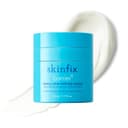
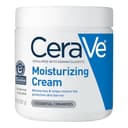
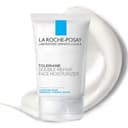
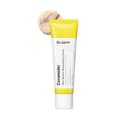
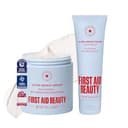
The five compared on what the brands disclose
Disclosure is the only axis on which creams can be compared honestly, so it is the one we use. Note how rarely a percentage appears — that absence is the finding, not a gap in our research.
| Cream | Barrier lipids | Stated strength | Size | Fragrance-free |
|---|
| Skinfix Barrier+ | Ceramides NP, AP, EOP + plant sterols + fatty acids | 3% lipid complex | 50 ml | Yes |
|---|
| CeraVe Moisturizing Cream | Ceramides 1, 3, 6-II + hyaluronic acid | Not published | 340 ml | Yes |
|---|
| LRP Toleriane Double Repair | Ceramide-3 + niacinamide + glycerin | Not published | 75 ml | Yes |
|---|
| Dr.Jart+ Ceramidin | Five ceramides (NP, NG, NS, AS, AP) + panthenol | Not published | 50 ml | No — fragrant botanicals |
|---|
| First Aid Beauty Ultra Repair | Colloidal oatmeal + ceramides + shea | Not published | 170 ml | Yes |
|---|
What changes about skin, and what a cream can do about it
Three things shift with age that are relevant to a moisturizer. Sebum output drops, so skin that was oily at 30 can be genuinely dry at 55. The barrier holds water less well, which is why skin feels tight within an hour of washing rather than within a day. And cell turnover slows, so dead surface cells sit longer and the skin looks duller and rougher even when it is perfectly healthy underneath.
A good cream addresses the first two directly: it supplies the lipids the barrier is short of and the humectants to hold water behind them. That is a real, measurable job, and the reference literature on moisturizers describes it in those terms — humectants, occlusives and emollients, each doing a different part of it. What a cream does not do is rebuild collagen. When a jar implies it will, the claim is doing the work that a retinoid and sunscreen would actually do.
What to look for, in order
1. Named lipids, ideally with a number
“With ceramides” on the front of a box tells you nothing about how much. Look for the specific ceramides named in the ingredient list — NP, AP, EOP, or the numbered 1, 3 and 6-II — and treat a stated percentage, as on the Skinfix, as the strongest signal available. On how ceramides work we go through why the cholesterol and fatty-acid part of the mix matters as much as the ceramide itself.
2. A texture you will use at the right time of day
The single most common mistake in this category is buying one very rich cream and trying to wear it under makeup and sunscreen at 8am. Richer creams belong at night; a lighter barrier cream like the Toleriane belongs in the morning. If you only want to buy one, buy the lighter one and layer more of it. Our day cream versus night cream comparison covers what is actually different between the two formats, which is less than the marketing suggests.
3. Fragrance, which is a genuine filter at this stage
Older skin is thinner and more reactive on average, and fragrance has no upside. Four of the five picks here are fragrance-free. The Dr.Jart+ is the exception and we have not quietly let it pass: the brand adds no fragrance as such, but the ingredient list includes geranium, bergamot and sage oils, which behave like fragrance on reactive skin. It is in the list because it is the most comfortable rich cream here, with that caveat attached.
4. Size, because the neck and hands count
Mature skin shows dryness on the neck, chest and backs of the hands as much as the face, and a 50 ml jar encourages you to ration it to your cheeks. This is the quiet argument for the CeraVe: 340 ml means you can be generous everywhere, which matters more than the formula difference between it and a jar costing six times as much. The lotion versus cream question is worth a read if you are deciding what to use below the jawline.
Where peptides fit
The Skinfix carries a peptide solution alongside its lipids, and peptides are the ingredient class most often attached to “mature skin” marketing. The honest summary: the published review work on topical peptides is real but much thinner than the evidence for retinoids, and almost no brand states the concentration. We treat them as a reasonable bonus in a cream you are buying for its lipids, not as a reason to buy. If you want to pursue them deliberately, the peptide serums are where the stated figures live, and peptides versus hyaluronic acid sorts out which of the two is doing what in a formula that has both.
What we left out, and why
No retinol creams: a retinoid belongs in this routine, but it is a treatment step with its own tolerance ramp rather than a moisturizer, and we cover it in the retinol creams. No collagen creams — topically applied collagen is too large a molecule to replace the collagen in your dermis, as the collagen explainersets out. And no moisturizer whose entire case is a proprietary “age-defying complex” with nothing disclosed about it.