Barrier & Balm

Best Ceramide Moisturizers

Ceramides are the lipids your barrier is built from — but almost no brand tells you how many are in the jar. The creams that disclose the most, compared honestly.

By Stephen V.Last updated How we pick

Ceramidesare the lipids that hold your skin barrier together — roughly half the mortar between the cells in your outermost layer. When they run low, water escapes and irritants get in, which is the tight, flaky, stinging feeling people describe as a “damaged barrier.” Putting ceramides back is one of the few genuinely well-supported things a moisturizer can do, which is why the word is now on the front of half the creams in the aisle.

And that’s the problem this page exists to solve. “With ceramides” is not a regulated claim: it can mean a formula built around five named ceramides at a meaningful level, or a token drop added so the marketing team could print the word. Almost nobody publishes a percentage. So rather than rank these on a feel we can’t verify, we ranked them on what each brand actually discloses— which ceramides are named, whether a lipid percentage is stated, and what else is in there doing the work — and we say plainly where a formula keeps you guessing. Every pick is a real, currently-sold product, with an honest drawback listed. Prices below are live; the short version is that the cheapest cream here is also our top pick.

How this is funded: we earn a commission if you buy through our links, at no extra cost to you. It never changes which product we recommend, and we’ll tell you when we’d skip one. Full disclosure.

Quick picks

Ranked on formulation, stated concentration and buyer fit. Select a row to jump to the full write-up. We have not tested these products — here is exactly what we do instead.

#ProductBest forPrice
1
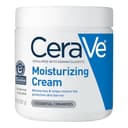
CeraVe Moisturizing Cream

CeraVe Moisturizing Cream

The default dry-skin cream and hard to beat on value — three ceramides plus hyaluronic acid in a big, cheap tub. Rich enough for very dry skin, fragrance-free enough for most sensitive skin.

Best overall
$18.96 · View on Amazon

$20.497% off

Price as of September 5, 2026. #ad How we’re funded

2
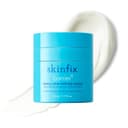
Skinfix Barrier+ Triple Lipid-Peptide Cream

Skinfix Barrier+ Triple Lipid-Peptide Cream

The rare barrier cream that tells you how much lipid is actually in it: a stated 3% triple-lipid complex of ceramides, plant sterols and fatty acids, with the individual ceramides named. If you want to buy on disclosed formulation rather than a brand promise, this is the one — at a genuinely premium price.

Best disclosed formulation
$54.00 · View on Amazon

Price as of September 5, 2026. #ad How we’re funded

3
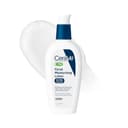
CeraVe PM Facial Moisturizing Lotion

CeraVe PM Facial Moisturizing Lotion

A lightweight night lotion with ceramides and niacinamide — light enough that oily and acne-prone skin will actually wear it, which is why it shows up in so many routines.

Best lightweight
$14.97 · View on Amazon

$19.9925% off

Price as of September 5, 2026. #ad How we’re funded

4
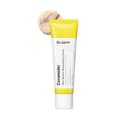
Dr.Jart+ Ceramidin Skin Barrier Moisturizing Cream

Dr.Jart+ Ceramidin Skin Barrier Moisturizing Cream

A dense, cushiony K-beauty barrier cream built on five named ceramides plus panthenol and shea. It's the most comfortable rich cream here for tight, winter-dry skin — with one caveat reactive readers need: there's no added fragrance, but there are fragrant essential oils in the ingredient list.

Best rich cream for very dry skin
$52.00 · View on Amazon

Price as of September 5, 2026. #ad How we’re funded

5
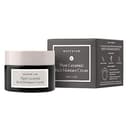
Naturium Plant Ceramide Rich Moisture Cream

Naturium Plant Ceramide Rich Moisture Cream

A vegan, fragrance-free rich cream that gets its barrier lipids from plant-derived sphingolipids and phospholipids rather than synthetic ceramides, rounded out with squalane and shea. A sensible middle option — as long as you understand 'plant ceramide' is a looser label than a named ceramide.

Best vegan pick
$24.99 · View on Amazon

Price as of September 5, 2026. #ad How we’re funded

The picks in full

#1Best overall

CeraVe Moisturizing Cream

The default dry-skin cream and hard to beat on value — three ceramides plus hyaluronic acid in a big, cheap tub. Rich enough for very dry skin, fragrance-free enough for most sensitive skin.

Strengths

  • 3 essential ceramides + hyaluronic acid in a barrier-repair base
  • Enormous quantity for the price
  • Fragrance-free

Trade-offs

  • Tub packaging is less hygienic than a pump — use clean hands
  • Too heavy for oily skin in summer
Key activeCeramides + hyaluronic acid
Stated concentrationNot published
FormatRich cream
Fragrance-freeYes
Best forDry, Normal, Sensitive

Formulation note. Ceramides 1, 3 and 6-II + hyaluronic acid, using MVE technology for slow release. A genuine barrier-repair formula at a commodity price.

Ingredients and claims read from the product listing, on July 17, 2026. “Not published” means the brand does not state that figure.

#2Best disclosed formulation

Skinfix Barrier+ Triple Lipid-Peptide Cream

The rare barrier cream that tells you how much lipid is actually in it: a stated 3% triple-lipid complex of ceramides, plant sterols and fatty acids, with the individual ceramides named. If you want to buy on disclosed formulation rather than a brand promise, this is the one — at a genuinely premium price.

Strengths

  • Publishes a 3% triple-lipid complex and names its ceramides (NP, AP, EOP plus phytosphingosine) — almost unheard of in this category
  • Pairs the lipids with a stated 3% peptide blend, glycerin and sodium hyaluronate
  • Fragrance-free, non-comedogenic and vegan

Trade-offs

  • By far the most expensive way to buy ceramides here — several times the cost per ml of the drugstore creams
  • Rich texture is more than normal or oily skin needs day to day
Key activeCeramides + plant sterols + fatty acids (3% lipid complex)
Stated concentration3% triple-lipid complex
FormatRich cream
Fragrance-freeYes
Best forDry, Sensitive, Barrier-compromised

Formulation note. A stated 3% lipid complex built on the ceramide-cholesterol-fatty-acid model the barrier literature describes, using ceramides NP, AP and EOP with phytosphingosine, plant sterols and jojoba/macadamia esters, plus a 3% peptide solution. Disclosing both the lipid percentage and the individual ceramides is the reason it earns its place over cheaper creams that just say 'with ceramides'.

Ingredients and claims read from the product listing, on August 11, 2026. “Not published” means the brand does not state that figure.

#3Best lightweight

CeraVe PM Facial Moisturizing Lotion

A lightweight night lotion with ceramides and niacinamide — light enough that oily and acne-prone skin will actually wear it, which is why it shows up in so many routines.

Strengths

  • Ceramides + niacinamide in a near-weightless lotion
  • Non-comedogenic and fragrance-free
  • Pairs well over actives like retinol or BHA

Trade-offs

  • Too light for very dry skin in winter
  • Pump can dispense unevenly as it empties
Key activeCeramides + niacinamide
Stated concentrationNot published
FormatLight lotion
Fragrance-freeYes
Best forOily, Combination, Acne-prone

Formulation note. Ceramides + niacinamide + hyaluronic acid in a lightweight lotion. Light texture is the whole point — it's the moisturizer oily skin won't skip.

Ingredients and claims read from the product listing, on July 17, 2026. “Not published” means the brand does not state that figure.

#4Best rich cream for very dry skin

Dr.Jart+ Ceramidin Skin Barrier Moisturizing Cream

A dense, cushiony K-beauty barrier cream built on five named ceramides plus panthenol and shea. It's the most comfortable rich cream here for tight, winter-dry skin — with one caveat reactive readers need: there's no added fragrance, but there are fragrant essential oils in the ingredient list.

Strengths

  • Five named ceramides (NP, NG, NS, AS and AP) rather than a vague 'ceramide complex'
  • Panthenol and shea butter make it genuinely comforting on tight, flaky skin
  • Occlusive enough to hold up overnight in cold, dry air

Trade-offs

  • Contains bergamot, geranium and sage oils — no 'fragrance' on the label, but fragrant botanicals that can bother reactive skin
  • Premium price for 50 ml, and does not publish the ceramide percentage
Key active5 ceramides (NP, NG, NS, AS, AP) + panthenol
Stated concentrationNot published
FormatDense rich cream
Fragrance-freeNo
Best forVery dry, Normal, Not-too-sensitive

Formulation note. A five-ceramide complex (NP, NG, NS, AS, AP) with panthenol, shea butter and cocoa seed extract. The brand states no added fragrance, but the INCI includes pelargonium (geranium), bergamot and sage oils — fragrant botanicals that behave like fragrance for sensitive skin, which is why we don't call it fragrance-free. The total ceramide concentration is not published.

Ingredients and claims read from the product listing, on August 11, 2026. “Not published” means the brand does not state that figure.

#5Best vegan pick

Naturium Plant Ceramide Rich Moisture Cream

A vegan, fragrance-free rich cream that gets its barrier lipids from plant-derived sphingolipids and phospholipids rather than synthetic ceramides, rounded out with squalane and shea. A sensible middle option — as long as you understand 'plant ceramide' is a looser label than a named ceramide.

Strengths

  • Fragrance-free, paraben-free and vegan, with squalane and shea supporting the lipids
  • Rich enough for dry skin without the prestige price of the premium barrier creams
  • Sunflower, rice bran and phospholipids add emollients beyond the headline ceramides

Trade-offs

  • Lists 'sphingolipids' rather than named ceramides, so you can't tell which or how much you're getting
  • Thicker, slower-absorbing finish than the lightweight ceramide lotions
Key activePlant-derived sphingolipids + phospholipids
Stated concentrationNot published
FormatRich cream
Fragrance-freeYes
Best forDry, Normal, Vegan-preference

Formulation note. Uses plant-derived sphingolipids and phospholipids — the botanical route to barrier lipids — with squalane, shea butter, sodium hyaluronate and rice bran extract. Fragrance-free and vegan. Worth knowing that 'plant ceramide' on a label is not a named ceramide like NP or AP: it's a broader lipid category, so the disclosure is weaker than the creams that name theirs.

Ingredients and claims read from the product listing, on August 11, 2026. “Not published” means the brand does not state that figure.

How we judged these

We don’t run a lab and we don’t claim to have worn every one of these for eight weeks, so we judge ceramide creams on the things you can check on a label. Three criteria, in order:

1. Are the ceramides named? A formula listing ceramide NP, ceramide AP, ceramide EOPis telling you something specific; one listing a proprietary “ceramide complex” is telling you almost nothing. 2. Is anything quantified? Almost no brand publishes a ceramide percentage — when one does, that disclosure is worth real money, because it’s the only way to compare like with like. 3. What’s supporting them? Ceramides work best alongside cholesterol or plant sterols and fatty acids, because that trio is what your barrier is actually made of; a cream pairing all three is doing more than one that bolts ceramides onto a basic lotion. After that we looked at texture, fragrance (fragrance-free is the safer default for a barrier that’s already struggling) and price per ml.

What ceramides do — and what they don’t

Think of your outer skin layer as a brick wall: the cells are the bricks and the lipids between them are the mortar. Ceramides are the biggest component of that mortar. Harsh cleansers, over-exfoliation, cold dry air, hot water and age all deplete them, and a depleted barrier loses water faster and reacts to things it used to tolerate. Applying ceramides tops the mortar back up, which is why they help dryness, sensitivity and the irritation phase of actives like retinol. Our full ceramides explainer covers the mechanism in more depth.

What ceramides don’tdo is hydrate on their own. They’re barrier lipids, not water — they seal and reinforce, but something has to supply the moisture they hold in. That’s why nearly every good ceramide cream also contains glycerin or hyaluronic acid, the humectants that draw water in. The two ingredient types do opposite, complementary jobs, which we untangle in ceramides vs hyaluronic acid. They also aren’t an anti-aging active: a ceramide cream will make skin look smoother and plumper by keeping it hydrated and calm, but it isn’t remodeling collagen the way a retinoid does. Treat a barrier cream as the foundation your actives sit on, not a replacement for them.

How to choose the right one for your skin

If your barrier is genuinely compromised— stinging, red, flaking, reacting to products that used to be fine — go for the richest, most complete lipid formula you can afford and simplify everything else while it recovers. Our barrier repair guide walks through the full reset. If you’re oily or acne-prone, you still want ceramides — oily skin can have a weak barrier too — but in a light lotion or gel-cream rather than a heavy balm, which is exactly what our lightweight pick is for.

If your skin is reactive, choose fragrance-free and read past the front of the box: “no added fragrance” can still mean fragrant essential oils in the ingredient list, which is a distinction we flag on one of the picks above. If you’re on a budget, good news — this is one of the few categories where the drugstore option is genuinely the best answer for most people, not a compromise. Spending more buys you disclosure, texture and supporting actives, not fundamentally better barrier repair. And if you’re weighing ceramides against the other barrier-supporting ingredient everyone recommends, our ceramides vs niacinamide comparison explains why they’re usually a pair rather than a choice.

How to use a ceramide moisturizer

Apply it to slightly damp skin, within a minute or so of cleansing — there’s more water at the surface to seal in, and the cream spreads more easily. It goes after your water-based serums and beforesunscreen in the morning; at night it’s usually the last step. If you use a hyaluronic acid serum, the ceramide cream on top is what stops that water evaporating straight back off, which is the single most common HA mistake. The full sequence lives in our routine order guide, and how to use ceramides covers layering them with actives.

Two habits make more difference than which jar you buy. First, use enough, twice a day, consistently — barrier repair is a matter of weeks of steady use, not one heroic application. Second, stop actively stripping the barrier while you rebuild it: lukewarm water, a non-foaming or gentle cleanser, and a pause on exfoliating acids and retinol until the stinging settles. A good ceramide cream can’t outrun daily over-cleansing or over-exfoliation.
Frequently asked questions

Do ceramide moisturizers actually work?

Yes, for what they're meant to do. Ceramides are the main lipids in the skin's outer barrier, and replacing them helps skin hold water and resist irritants — which is why dermatologists reach for ceramide creams for dry, sensitive and eczema-prone skin. What they don't do is hydrate on their own (they seal in water rather than supply it) or work like an anti-aging active such as a retinoid.

How do I know if a cream has enough ceramides?

Usually you can't, and that's the honest answer — almost no brand publishes a ceramide percentage. What you can check is whether the ceramides are named (ceramide NP, AP or EOP tells you more than a proprietary 'ceramide complex'), whether they appear alongside cholesterol or plant sterols and fatty acids, and whether any brand states a lipid percentage at all. A cream that discloses more is a safer bet than one that just prints the word on the front.

Are expensive ceramide creams better than drugstore ones?

Not for basic barrier repair. The drugstore ceramide creams are our top pick precisely because they do the core job as well as anything, at a fraction of the price. Spending more typically buys you better disclosure, a nicer texture, extra actives like peptides, and smaller packaging — real benefits for some people, but not fundamentally better barrier repair.

Can oily or acne-prone skin use a ceramide moisturizer?

Yes. Oily skin can still have a depleted barrier, and skipping moisturizer often makes oiliness and irritation worse. The fix is format, not avoidance: choose a lightweight ceramide lotion or gel-cream labeled non-comedogenic or oil-free rather than a heavy balm.

Should I use ceramides or hyaluronic acid?

Most people want both, because they do opposite jobs. Hyaluronic acid is a humectant that draws water into the skin; ceramides are barrier lipids that stop that water escaping. Using HA without something to seal it can even feel drying in low humidity. Apply the hyaluronic acid serum first on damp skin, then the ceramide cream over the top.

Sources

Keep reading