How to choose an eye cream
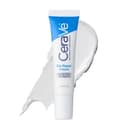
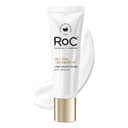
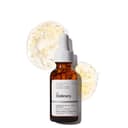
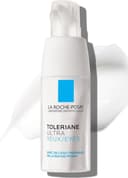
Start by naming the one thing you want it to do, because no single product does all of them well. If your under-eyes are dry, tight or a little crepey, you want hydration and barrier support — a ceramide or peptide cream, or honestly just a gentle face moisturizer used sparingly. If your concern is fine lines and crow’s feet, only one active has strong evidence behind it: retinol. If it’s morning puffiness, caffeine can help temporarily. And if the skin there reacts to everything, the winning move is a short, fragrance-free formula, not a loaded “anti-aging” one.
Then read the label the way we do throughout the essentials: an eye cream that states its active — a caffeine percentage, a named peptide, a retinoid — is telling you more than one selling a proprietary “eye complex” at four times the price. Fragrance is the most common irritant this close to the eye, so fragrance-free is the safer default. And ignore the size illusion: a 15–20 ml eye jar that costs more than a 50 ml face cream is usually paying for the packaging and the promise, not a stronger formula.
What an eye cream can and can’t do
The honest part most roundups skip. Dark circles come in three flavors, and creams help almost none of them. Some are pigment (genetic or sun-driven melanin), where a brightening active like vitamin C or niacinamide may lighten them slightly over months. Some are vascular— the bluish look of blood vessels through thin skin — which caffeine can soften a touch but not remove. And many are structural: shadows cast by under-eye hollows or the shape of the orbital bone, which no cream can touch because there’s nothing on the surface to fix. If a jar promises to “erase” your circles, that’s the claim to distrust. Our full walk-through of what actually helps dark circles is worth reading before you spend anything.
Puffinesssplits the same way. Morning fluid that settles overnight responds to caffeine, cold and time; the permanent under-eye “bags” that are fat pads pushing forward do not — that’s a structural thing a serum can’t drain away. Fine linesare the one place an active earns its keep: retinol has real evidence for gradually softening crow’s feet, which is why it anchors our fine-line pick, though it works over months and can irritate thin skin. And plain dryness and crepinessis the easiest win of all — any decent, gentle moisturizer with peptides, ceramides or hyaluronic acid will keep the area soft.
How to apply it without wasting it (or stinging your eyes)
You need less than you think — a rice-grain amount per eye. Dab it with your ring finger (the weakest, so you press gently) along the orbital bone, the ridge under your eye, rather than right up against the lash line. Warmth and blinking carry the product upward on their own; applying it too close is how you end up with it migrating into your eyes and watering. Pat, don’t rub — the skin here bruises and stretches easily.
Two cautions. With a retinoleye cream, start twice a week and build up; near the eye, retinol flakes and stings faster than it does elsewhere, and pushing through irritation is counter-productive — see how retinol works for the slow-and-steady approach. And whatever you use at night, the single most effective anti-aging step for the eye area happens in the morning: sunscreen and, ideally, UV sunglasses. Squinting and UV do more visible damage around the eyes than any cream reverses, which is the honest backdrop to our whole wrinkle-prevention guide.