First, work out which kind of dark circle you have
This takes thirty seconds in front of a mirror and it determines whether anything on this page can help you.
- Pull the skin gently sideways. If the darkness stretches and stays, it is pigment in the skin. Pigment is the cause topicals address best.
- Look at the color.Blue, purple or pink leans vascular — blood vessels showing through skin that is thin and semi-transparent, often with fluid. Brown or grey leans pigmentary.
- Tilt your chin up toward a light. If the darkness disappears or moves, you are looking at a shadow cast by the contour under your eye, not a stain on it. That is the structural type, and it is the one no cream improves.
- Check the time of day.Worse on waking and better by mid-morning means fluid is a big component — the most responsive version of all, and the cheapest to address.
Most people have a mix, which is why the review recommends customised therapy rather than a single product. It is also why a cream that transforms a colleague’s under-eyes can do nothing at all for yours.
The five picks side by side
| Pick | Key ingredients | Stated strength | Size | Aimed at |
|---|
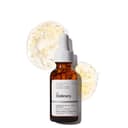
| The Ordinary Caffeine Solution 5% + EGCG | Caffeine, EGCG, glycerin, hyaluronic acid | 5% caffeine | 30 ml | Vascular shadow, morning puffiness |
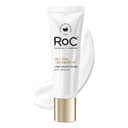
| RoC Retinol Correxion Under Eye Cream | Retinol, magnesium / zinc / copper gluconates, panthenol | Not published | 15 ml | Crepey texture, fine lines, pigment over months |
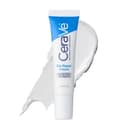
| CeraVe Eye Repair Cream | Ceramides, niacinamide, hyaluronic acid | Not published | 14 ml | Dryness, dullness, barrier support |
| Naturium Multi-Peptide Eye Cream | Four peptides, squalane, sodium hyaluronate, panthenol, vitamin E | Not published | 15 ml | Smoothing and hydration without retinol |
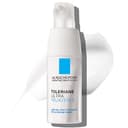
| La Roche-Posay Toleriane Dermallergo Eye | Niacinamide, neurosensine, shea butter, glycerin | Not published | 20 ml | Keeping a reactive eye area calm |
Four of the five “not published” cells are the honest answer: outside The Ordinary, no brand here states a percentage for its retinol, peptides or niacinamide. Nobody can rank these on strength, and anyone publishing a figure for them has invented it.
How we judged these
1. Does the ingredient have a mechanism for the cause?
Caffeine constricts vessels, which is a mechanism for a vascular shadow and for fluid-driven puffiness. It is also temporary, which is why we describe it as something that changes how your under-eyes look rather than something that fixes them. Retinol thickens and remodels skin over months and has the strongest evidence of any topical for the texture side of the problem, which is relevant here because thin, transparent skin is one of the documented contributors to visible under-eye vessels. Niacinamide and peptides do real barrier and hydration work. Nothing in this category has a mechanism for a recessed orbital rim.
2. Is it tolerable on the thinnest skin on your body?
The eyelid area is where irritation shows first and worst, so a formula that would be unremarkable on a cheek can be a week of stinging here. Every pick on this page is fragrance-free. One is built entirely for tolerance — niacinamide and a soothing dipeptide, no corrective actives at all — which is a legitimate choice if your eyes react to everything, and is why it is on the list despite not targeting darkness directly.
3. Does the price match what it can actually do?
This is the category where that question matters most, because the gap between what eye creams charge and what they can deliver is the widest in skincare. Three of these five cost less than a sandwich-and-coffee lunch. The premium pick earns its price on tolerance rather than results. If a product promises to “erase” dark circles, you are being charged for a claim nobody can support — and we say the same thing in our wider eye cream roundup.
What to do about the darkness a cream cannot reach
Sleep and fluid
The fluid component is the one you can change for free. Side- and front-sleeping lets fluid pool in the lower lid; an extra pillow and a colder room do more for a morning shadow than most serums. Caffeine topically helps for an hour or two, which makes it genuinely useful before a meeting and useless as a long-term plan.
Sun protection, which is the actual pigment treatment
If your circles are brown, they are pigment, and pigment is provoked by UV exposure — including on an area most people never cover properly. Daily sunscreen right up to the lash line, or sunglasses with real coverage, is the intervention with the best evidence behind it, and it is the one step that makes any brightening ingredient worth applying at all. See best sunscreens for face and, for the pigment playbook generally, best skincare for dark spots.
Allergies and rubbing
Chronic rubbing and the congestion that comes with allergic disease are well-documented contributors to under-eye darkness, which is why the shadows deepen in pollen season for a lot of people. Treating the allergy is skincare in that case, and no cream substitutes for it.
Structure
If the darkness vanishes when you tilt your chin up, it is a shadow, and the review’s own answers for that are volume restoration and surgery. That is a conversation with a clinician, not a purchase. We would rather tell you that than sell you a fourth cream. Our guide to getting rid of dark circles goes further into the non-product side.
What we left out, and why
Anything claiming to erase or eliminate dark circles. No topical does, the published review does not say one does, and a claim that large is a reliable signal that the rest of the page is not careful either.
Vitamin K and “bruise-fading” eye creams. The marketing leans on an analogy with bruising; the published evidence for topical vitamin K on infraorbital darkness is not strong enough for us to rank a product on it.
Hydroquinone products.Prescription-strength skin lightening around the eye is a clinician’s decision, not a shelf purchase, and it is explicitly off the table in pregnancy — see pregnancy-safe skincare.
Eye masks, rollers and chilled metal wands. Cold does reduce the look of puffiness, briefly, and a cold spoon does it for free. We are not going to recommend a device for an effect a refrigerator produces.
How to use an eye product without making things worse
Use a small amount — a grain of rice per eye — and apply it on the orbital bone rather than the lid itself; anything you place close to the lash line migrates into the eye as the day goes on. Pat it in with a ring finger instead of dragging. Introduce one product at a time and give it three to four weeks, because the only ingredients here with a real time-course are the slow ones. If you are adding a retinol product, start twice a week and build; the eye area is where retinol irritation shows up first, and the method is the same one in can you use retinol around your eyes.
And set the expectation honestly before you buy anything: the realistic outcome of a good eye cream is skin that looks better hydrated, slightly smoother and less crepey, with a shadow that reads a shade lighter because the surface is reflecting light better. That is worth having at these prices. It is not the same as the circles being gone, and anyone telling you otherwise is selling rather than explaining.