Barrier & Balm

Best Moisturizers for Combination Skin

Six picks judged on one question the other moisturizer roundups never ask: can a single product hydrate dry cheeks without adding shine to an oily T-zone?

By Stephen V.Last updated How we pick

Buy Vanicream Daily Facial Moisturizer if your cheeks are dry, your nose and forehead are shiny, and you want one product for both. It is the pick here that solves the actual combination-skin problem: five ceramides, hyaluronic acid and squalane for the dry zones, oil-free and non-comedogenic for the greasy ones, and — critically — no mattifying agents to dehydrate the cheeks in pursuit of a matte nose. If price is the constraint, CeraVe PM Facial Moisturizing Lotion does nearly the same job for less; if shine is genuinely the complaint, CeraVe’s Oil Control Gel-Cream is the one that fights it.

Combination skin is not “a bit oily” or “a bit dry” — it is two different skins sharing a face, and most moisturizer roundups quietly solve for one of them. So this page is judged on four things you can read off a label or an ingredient list: whether the formula hydrates without adding oil, whether it mattifies (and whether you want it to), whether the barrier lipids are named rather than implied, and whether the texture layers under sunscreen without pilling. We own no units and have tested nothing; what we can do is read the published formulation facts and say which zone each product serves. If your skin is uniformly oily or uniformly dry, our oily-skin picks and dry-skin picks rank the same category on different criteria.

How this is funded: we earn a commission if you buy through our links, at no extra cost to you. It never changes which product we recommend, and we’ll tell you when we’d skip one. Full disclosure.

Quick picks

Ranked on formulation, stated concentration and buyer fit. Select a row to jump to the full write-up. We have not tested these products — here is exactly what we do instead.

#ProductBest forPrice
1
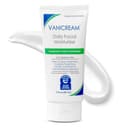
Vanicream Daily Facial Moisturizer

Vanicream Daily Facial Moisturizer

One of the shortest ingredient lists in the category — 19 ingredients, five ceramides, hyaluronic acid and squalane, and nothing to react to. If a benzoyl peroxide or adapalene routine has left your skin raw, this is the moisturizer that calms it down without clogging it back up.

Best overall
$13.97 · View on Amazon

$14.957% off

Price as of October 15, 2026. #ad How we’re funded

2
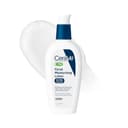
CeraVe PM Facial Moisturizing Lotion

CeraVe PM Facial Moisturizing Lotion

A lightweight night lotion with ceramides and niacinamide — light enough that oily and acne-prone skin will actually wear it, which is why it shows up in so many routines.

Best budget
$14.97 · View on Amazon

$19.9925% off

Price as of October 15, 2026. #ad How we’re funded

3
CeraVe Oil Control Moisturizing Gel-Cream

CeraVe Oil Control Moisturizing Gel-Cream

The moisturizer CeraVe built specifically for oily skin — an oil-free gel-cream that hydrates with ceramides and niacinamide while an oil-absorbing complex keeps shine down. It does the barrier job of a good CeraVe without the heavy finish, which is why it's the default oily-skin pick.

Best for shine control
$15.97 · View on Amazon

$19.9920% off

Price as of October 15, 2026. #ad How we’re funded

4
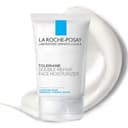
La Roche-Posay Toleriane Double Repair Face Moisturizer

La Roche-Posay Toleriane Double Repair Face Moisturizer

The best all-day face moisturizer for reactive skin here — ceramides and niacinamide in a texture light enough for daytime but repairing enough for a compromised barrier. Fragrance-free.

Best for daytime under sunscreen
$24.99 · View on Amazon

Price as of October 15, 2026. #ad How we’re funded

5
Neutrogena Hydro Boost Water Gel

Neutrogena Hydro Boost Water Gel

A hyaluronic-acid gel moisturizer that oily skin loves for its weightless feel. Note the classic version is fragranced — reach for the fragrance-free variant if you're reactive.

Best weightless gel
$18.12 · View on Amazon

$26.7932% off

Price as of October 15, 2026. #ad How we’re funded

6
Paula's Choice CLEAR Oil-Free Moisturizer

Paula's Choice CLEAR Oil-Free Moisturizer

A water-light, oil-free moisturizer aimed at acne-prone skin that still needs hydration — niacinamide and ceramides do the barrier and pore work, antioxidants calm redness, and nothing in it adds oil. The catch is the prestige price for a small bottle.

Best if you also break out
$42.00 · View on Amazon

Price as of October 15, 2026. #ad How we’re funded

The picks in full

#1Best overall

Vanicream Daily Facial Moisturizer

One of the shortest ingredient lists in the category — 19 ingredients, five ceramides, hyaluronic acid and squalane, and nothing to react to. If a benzoyl peroxide or adapalene routine has left your skin raw, this is the moisturizer that calms it down without clogging it back up.

Strengths

  • Fragrance-free, oil-free and non-comedogenic, with no dyes, lanolin, parabens or plant oils in the INCI
  • Five ceramides (EOP, NG, NP, AS, AP) plus hyaluronic acid for barrier repair
  • Light enough for daytime under sunscreen, cushiony enough over an acne treatment at night

Trade-offs

  • No niacinamide or oil-absorbing ingredients — it hydrates, it does not mattify
  • Squalane-based, so very oily skin may prefer a true gel
  • Plain tube and no SPF; you still need a separate sunscreen
Key activeCeramides + hyaluronic acid + squalane
Stated concentrationNot published
FormatLightweight lotion
Fragrance-freeYes
Best forSensitive, Acne-prone, Combination, Normal

Formulation note. Water, squalane, glycerin, pentylene glycol, then a glyceryl stearate / stearyl alcohol emulsifier base, hyaluronic acid, ceramides EOP, NG, NP, AS and AP, carnosine, hydrogenated lecithin and phytosterols — 19 ingredients total, none of them fragrance, dye, lanolin, parabens or formaldehyde releasers. The brand states oil-free and non-comedogenic; no active percentages are published.

Ingredients and claims read from the product listing, on September 21, 2026. “Not published” means the brand does not state that figure.

#2Best budget

CeraVe PM Facial Moisturizing Lotion

A lightweight night lotion with ceramides and niacinamide — light enough that oily and acne-prone skin will actually wear it, which is why it shows up in so many routines.

Strengths

  • Ceramides + niacinamide in a near-weightless lotion
  • Non-comedogenic and fragrance-free
  • Pairs well over actives like retinol or BHA

Trade-offs

  • Too light for very dry skin in winter
  • Pump can dispense unevenly as it empties
Key activeCeramides + niacinamide
Stated concentrationNot published
FormatLight lotion
Fragrance-freeYes
Best forOily, Combination, Acne-prone

Formulation note. Ceramides + niacinamide + hyaluronic acid in a lightweight lotion. Light texture is the whole point — it's the moisturizer oily skin won't skip.

Ingredients and claims read from the product listing, on July 17, 2026. “Not published” means the brand does not state that figure.

#3Best for shine control

CeraVe Oil Control Moisturizing Gel-Cream

The moisturizer CeraVe built specifically for oily skin — an oil-free gel-cream that hydrates with ceramides and niacinamide while an oil-absorbing complex keeps shine down. It does the barrier job of a good CeraVe without the heavy finish, which is why it's the default oily-skin pick.

Strengths

  • Oil-absorbing complex plus niacinamide targets shine, not just hydration
  • 3 essential ceramides + hyaluronic acid still support the barrier
  • Fragrance-free, oil-free, non-comedogenic, and inexpensive

Trade-offs

  • The matte finish can feel a touch bare on drier patches of combination skin
  • Does not publish the niacinamide percentage
Key activeNiacinamide + oil-absorbing complex
Stated concentrationNot published
FormatOil-free gel-cream
Fragrance-freeYes
Best forOily, Combination, Acne-prone

Formulation note. Niacinamide + hyaluronic acid + ceramides NP, AP and EOP, with a silica-based oil-absorbing technology in a lightweight gel-cream. The oil-absorbers and matte finish are what set it apart from the richer CeraVe creams; the niacinamide strength itself is not disclosed.

Ingredients and claims read from the product listing, on July 28, 2026. “Not published” means the brand does not state that figure.

#4Best for daytime under sunscreen

La Roche-Posay Toleriane Double Repair Face Moisturizer

The best all-day face moisturizer for reactive skin here — ceramides and niacinamide in a texture light enough for daytime but repairing enough for a compromised barrier. Fragrance-free.

Strengths

  • Ceramide-3 + niacinamide + prebiotic thermal water
  • Light enough for morning, under makeup or SPF
  • Fragrance-free, allergy-tested

Trade-offs

  • A face-sized tube, not a value tub
  • Not rich enough for the driest winter skin
Key activeCeramide-3 + niacinamide
Stated concentrationNot published
FormatLight cream
Fragrance-freeYes
Best forSensitive, Normal, Combination

Formulation note. Ceramide-3 + niacinamide + glycerin + prebiotic thermal spring water. Designed around barrier repair for reactive skin — the daytime counterpart to a heavier night cream.

Ingredients and claims read from the product listing, on July 17, 2026. “Not published” means the brand does not state that figure.

#5Best weightless gel

Neutrogena Hydro Boost Water Gel

A hyaluronic-acid gel moisturizer that oily skin loves for its weightless feel. Note the classic version is fragranced — reach for the fragrance-free variant if you're reactive.

Strengths

  • Water-gel texture disappears on oily skin
  • Hyaluronic acid for lightweight hydration
  • Inexpensive and everywhere

Trade-offs

  • The signature version contains fragrance
  • Not moisturizing enough for dry skin alone
Key activeHyaluronic acid
Stated concentrationNot published
FormatWater gel
Fragrance-freeNo
Best forOily, Combination

Formulation note. Hyaluronic acid in a gel base. Great slip and feel for oily skin; the signature version is fragranced, so pick the fragrance-free variant if that matters to you.

Ingredients and claims read from the product listing, on July 17, 2026. “Not published” means the brand does not state that figure.

#6Best if you also break out

Paula's Choice CLEAR Oil-Free Moisturizer

A water-light, oil-free moisturizer aimed at acne-prone skin that still needs hydration — niacinamide and ceramides do the barrier and pore work, antioxidants calm redness, and nothing in it adds oil. The catch is the prestige price for a small bottle.

Strengths

  • Niacinamide for pores plus ceramides and hyaluronic acid for the barrier
  • Licorice, blueberry and pumpkin antioxidants help soothe redness
  • Oil-free, fragrance-free and non-comedogenic

Trade-offs

  • Premium price for a 60ml bottle next to the drugstore options
  • Water-light finish is not enough on its own for genuinely dry patches
Key activeNiacinamide + ceramides
Stated concentrationNot published
FormatWater-light lotion
Fragrance-freeYes
Best forOily, Acne-prone, Combination

Formulation note. Niacinamide + ceramides NP, AP and EOP + sodium hyaluronate, with tripeptide-29 and antioxidant licorice root, blueberry and pumpkin extracts. Fragrance-free and oil-free; the antioxidant and soothing layer is what separates it from a plain oil-free lotion, though the niacinamide percentage is not stated.

Ingredients and claims read from the product listing, on July 28, 2026. “Not published” means the brand does not state that figure.

The six picks side by side

Every figure here is read off the product’s own listing or the brand’s published ingredient list. No brand in this category publishes a percentage for its ceramides, niacinamide or hyaluronic acid, so there is no concentration column — any site showing you one has made it up.

ProductNamed barrier ingredientsMattifies?TextureFragrance
Vanicream Daily Facial MoisturizerCeramides EOP, NG, NP, AS and AP + hyaluronic acid + squalane — 19 ingredients in totalNo — hydrates onlyLightweight lotionFragrance-free
CeraVe PM Facial Moisturizing LotionCeramides + niacinamide + hyaluronic acidNoLight lotionFragrance-free
CeraVe Oil Control Moisturizing Gel-CreamCeramides NP, AP and EOP + hyaluronic acid + niacinamideYes — silica-based oil absorbersOil-free gel-creamFragrance-free
La Roche-Posay Toleriane Double RepairCeramide-3 + niacinamide + glycerin + prebiotic thermal waterNoLight creamFragrance-free
Neutrogena Hydro Boost Water GelHyaluronic acid (no ceramide claim)NoWater gelContains fragrance (signature version)
Paula’s Choice CLEAR Oil-Free MoisturizerNiacinamide + ceramides NP, AP and EOP + sodium hyaluronate + antioxidantsNo — oil-free, not mattifyingWater-light lotionFragrance-free

How we judged these

1. Does it hydrate without adding oil?

This is the whole brief. A moisturizer works by combining a humectant that pulls water into the skin (glycerin, hyaluronic acid), an occlusive that stops that water leaving, and emollients that make the result pleasant to wear — the framework the moisturizer literature uses. For combination skin the trick is getting the occlusive job done with light, non-greasy materials: squalane, dimethicone and ceramides rather than heavy butters and plant oils. Five of these six are explicitly oil-free; the sixth is a water gel. None of them will make a shiny T-zone shinier, which is the single most common reason people with combination skin stop moisturizing and end up with both problems at once.

2. Does it mattify — and do you actually want that?

Only one pick here contains oil absorbers, and that is deliberate. Mattifying agents treat the symptom on the T-zone, but they do the same thing to your cheeks, which is how a “combination” routine ends up with dry, tight patches by mid-afternoon. Our ranking therefore favors neutral hydration, and the shine-control pick is listed as a specific choice for people whose complaint is genuinely oil rather than hydration. Note the honest con on its card: the matte finish can feel bare on drier patches.

3. Are the barrier lipids named?

“Balancing” is not an ingredient. Ceramides EOP, NG, NP, AS and AP, squalane, ceramide-3 and niacinamide are. Four of the six name their ceramides individually, and the two that score highest also name squalane or glycerin alongside them — because on combination skin the dry zones are usually short of lipids, not short of water. One pick names nothing beyond hyaluronic acid, which is honest and cheap but is why it sits lower on the page. If the vocabulary is new, start with what ceramides actually do and what niacinamide does.

4. Will it layer under sunscreen without pilling?

A criterion that only matters if you wear SPF daily, which you should. Light lotions and gel-creams generally behave; thick silicone-heavy creams and anything you over-apply will roll into little balls under a sunscreen. All six of these are light enough to take an SPF on top, and if you have ever had a morning routine ball up on you, the cause is usually quantity and timing rather than the product — why skincare pills has the fix.

How to choose between these six

If your cheeks flake but your nose shines

Buy the shortest, most neutral formula and let the zones even out. That is the case for the Vanicream: 19 ingredients, five ceramides, squalane for lipid replacement, no mattifiers and no fragrance. Use it on everything and apply a second, thinner pass on the dry areas only. You do not need two products for two zones — you need one that does not fight either of them.

If the T-zone is the only complaint

Then the gel-cream with oil absorbers earns its slot, and the standard trick is zone application: gel-cream on the T-zone, something richer on the cheeks. Buy that second product only if you genuinely need it; most combination skin does not, and two products means two chances to break out.

If you want one product for morning and night

Pick on texture rather than formula. The light cream and the water gel sit best under makeup and sunscreen in the morning; the lotions are better at night when nothing has to layer on top. There is no chemistry reason you need separate AM and PM moisturizers — day cream vs night cream explains why most “night” creams are just richer ones.

If you also break out

Go oil-free and non-comedogenic, and expect the moisturizer to be the supporting act rather than the treatment. The acne-prone pick here adds niacinamide and antioxidants to a water-light base, which is a reasonable upgrade if richer creams congest you — the honest con is the price next to the drugstore options. For the treatment side of that routine, see moisturizers for acne-prone skin and the full acne-prone routine.

If you are not sure you have combination skin at all

Worth checking, because the label gets applied to two different situations. Skin that is oily in the T-zone and normal elsewhere is combination. Skin that is oily everywhere but feels tight after cleansing is usually dehydrated oily skin— same symptom, different fix, and a stripping cleanser is often the cause. Our guide to how to tell your skin type separates the two, and cleansers for combination skin covers the step that creates the problem more often than the moisturizer does.

What we left out, and why

Heavy occlusive creams and balms.They solve dry cheeks and ruin a T-zone. If your whole face wants one, you do not have combination skin — you have dry skin, and the dry-skin roundup is the right page.

Anything marketed as “balancing” or “for combination skin” without naming an ingredient. There is no ingredient class that detects which part of your face it landed on. A product earns a place here by being light and lipid-containing, not by printing the word on the carton.

Mattifying primers and powders.Legitimate products, wrong category — they manage shine cosmetically and do nothing for the barrier, which is what a moisturizer is for.

Moisturizers with SPF, as your only SPF. A moisturizer with SPF 15 is not a substitute for sunscreen, and the amount you apply as moisturizer is rarely the amount the SPF number assumes. We make that argument in full in sunscreen vs moisturizer with SPF.

How to use a moisturizer on combination skin

Apply to damp skin, within a minute or so of cleansing, while there is still water on the surface to trap. Use roughly a fingertip-and-a-half for the whole face — more on the cheeks, a thin pass over the T-zone — and give any new product two weeks before judging it; how much moisturizer to use has the detail. If your T-zone is shiny two hours later, that is normal sebum production, not a failed moisturizer.

The bigger lever is usually the step before. A stripping foaming cleanser makes dry cheeks drier and often provokes more oil, so the cheapest improvement available to most combination skin is a gentler wash rather than a better cream. Build the rest of the routine around that with our combination-skin routine, and if you want the shortlist of products that published dermatology guidance actually points to, our guideline-backed picks is the three-product version.

One last thing worth saying plainly: the most expensive moisturizer on this page is not the best one, and the cheapest is not a compromise. Five of the six do the same physical job with light, oil-free materials; the differences between them are about which zone you are solving for and what you want the finish to feel like. Buy the one whose texture you will actually wear twice a day, and spend what you saved on sunscreen.
Frequently asked questions

What is the best moisturizer for combination skin?

Vanicream Daily Facial Moisturizer, for most people: five ceramides plus hyaluronic acid and squalane to replace lipids on dry cheeks, oil-free and non-comedogenic so it does not add shine to the T-zone, and no mattifying agents that would dehydrate the cheeks. CeraVe PM Facial Moisturizing Lotion is the cheaper near-equivalent, and CeraVe's Oil Control Gel-Cream is the pick if shine rather than hydration is your real complaint.

Do I need two different moisturizers for my dry and oily areas?

Usually not. One light, oil-free, lipid-containing moisturizer applied all over — with a second thinner pass on the dry areas — handles most combination skin. Zone application makes sense if your T-zone is genuinely greasy by midday: a mattifying gel-cream there, something more cushioned on the cheeks. But two products means two chances to break out, so start with one.

Should a combination-skin moisturizer be mattifying?

Only if oil is your actual complaint. Mattifying agents work wherever you put them, including on the cheeks that are already dry, which is how a combination routine ends up tight and flaky by afternoon. Neutral hydration is the safer default; buy the shine control deliberately rather than by accident.

Can combination skin skip moisturizer on the oily parts?

It is a common instinct and usually backfires. Skipping moisturizer where skin is oily tends to leave the barrier short of the lipids it uses to hold water, and tight, dehydrated skin often produces more oil rather than less. A light oil-free lotion over the whole face costs you nothing in shine and keeps the barrier intact.

Is gel or cream better for combination skin?

A gel or gel-cream suits the T-zone and summer; a light cream suits dry cheeks and winter. Combination skin is the one skin type where the honest answer is genuinely seasonal — many people run a gel through summer and a light cream through winter rather than looking for one perfect product. Our gel vs cream comparison covers what actually differs between the two formats.

Does fragrance matter in a moisturizer?

It matters if your skin reacts. Fragrance is a leading cause of cosmetic contact allergy and it does nothing for your skin, so fragrance-free is the safer default — five of the six picks here are. Note that 'unscented' is not the same claim: the FDA points out that a product can contain just enough masking fragrance to hide an off-odor and still have no noticeable scent.

How much moisturizer should I use?

Around a fingertip-and-a-half for the whole face, applied to damp skin within a minute of cleansing — weighted toward the drier areas and thin over the T-zone. There is no official dose the way there is for sunscreen, so the practical test is whether your cheeks still feel comfortable two hours later and whether anything pills under your SPF.

Sources

Keep reading