Barrier & Balm

Dermatologist-Recommended Skincare

What published dermatology guidance actually tells you to buy — and the seven drugstore-to-mid-price products that match those criteria, with the limits of the phrase spelled out.

By Stephen V.Last updated How we pick

Start with a broad-spectrum SPF 46 like EltaMD UV Clear, a non-stripping cleanser like CeraVe Hydrating Facial Cleanser, and a ceramide cream like CeraVe Moisturizing Cream. Those three cover the entire foundation the American Academy of Dermatology’s own consumer guidance is built around — cleanse, moisturize, protect — and nothing else on this page matters until they are in place. The other four picks are the targeted additions published guidance names for specific problems: benzoyl peroxide and a retinoid for acne, azelaic acid for redness and marks, and an exclusion-list cream for skin that reacts to everything.

Before any of that, the honest part. “Dermatologist recommended” is not a regulated claim, nobody audits it, and no survey behind it is published for you to read. We are not dermatologists, we did not poll any, and we own no units of anything below — so this page is not a roll call of what doctors tell their patients. What it does instead is read the published guidance: the AAD’s consumer pages on cleansing, dry skin and sunscreen labels, its 2024 acne guideline of care, and the peer-reviewed reviews behind the individual ingredients. Those documents set out criteria. Products either meet them or they do not, and that is a check you can repeat yourself. Every pick below is matched to a criterion, every criterion is cited at the bottom of the page, and the cons are the ones we would tell a friend.

How this is funded: we earn a commission if you buy through our links, at no extra cost to you. It never changes which product we recommend, and we’ll tell you when we’d skip one. Full disclosure.

Quick picks

Ranked on formulation, stated concentration and buyer fit. Select a row to jump to the full write-up. We have not tested these products — here is exactly what we do instead.

#ProductBest forPrice
1
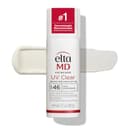
EltaMD UV Clear Broad-Spectrum SPF 46

EltaMD UV Clear Broad-Spectrum SPF 46

The facial sunscreen dermatologists reach for most, and it earns it: zinc-oxide-based SPF 46 with niacinamide, oil-free and fragrance-free, cosmetically elegant enough to actually wear daily.

Best sunscreen
$45.00 · View on Amazon

Price as of October 15, 2026. #ad How we’re funded

2
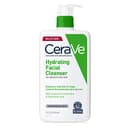
CeraVe Hydrating Facial Cleanser

CeraVe Hydrating Facial Cleanser

A non-foaming, lotion-style cleanser for dry and sensitive skin — it cleans without surfactant stripping and leaves ceramides behind. The counterpart to the foaming version for the other end of the spectrum.

Best gentle cleanser
$14.97 · View on Amazon

$16.9712% off

Price as of October 15, 2026. #ad How we’re funded

3
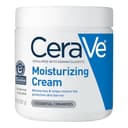
CeraVe Moisturizing Cream

CeraVe Moisturizing Cream

The default dry-skin cream and hard to beat on value — three ceramides plus hyaluronic acid in a big, cheap tub. Rich enough for very dry skin, fragrance-free enough for most sensitive skin.

Best everyday moisturizer
$18.96 · View on Amazon

Price as of October 15, 2026. #ad How we’re funded

4
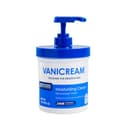
Vanicream Moisturizing Skin Cream

Vanicream Moisturizing Skin Cream

The minimalist's choice — free of fragrance, dyes, lanolin, parabens and formaldehyde releasers, in a hygienic pump tub. When the goal is 'nothing that could react', this is the shortlist.

Best for reactive skin
$13.56 · View on Amazon

$14.496% off

Price as of October 15, 2026. #ad How we’re funded

5
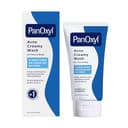
PanOxyl Antimicrobial Acne Creamy Wash (4% Benzoyl Peroxide)

PanOxyl Antimicrobial Acne Creamy Wash (4% Benzoyl Peroxide)

The gentler PanOxyl: 4% benzoyl peroxide in a hydrating, fragrance-free cream base, for people who found the 10% foaming wash too stripping. A sensible strength to start on, and easy to step up from later.

Best acne wash
$10.19 · View on Amazon

$10.987% off

Price as of October 15, 2026. #ad How we’re funded

6
The Ordinary Azelaic Acid Suspension 10%

The Ordinary Azelaic Acid Suspension 10%

A multitasker with genuine evidence for redness, bumps and post-acne marks — and one of the few actives that's usually fine for rosacea-prone skin. A stated 10%, for a few dollars.

Best for redness and post-acne marks
$12.20 · View on Amazon

Price as of October 15, 2026. #ad How we’re funded

7
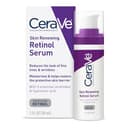
CeraVe Skin Renewing Retinol Serum

CeraVe Skin Renewing Retinol Serum

Encapsulated retinol with the buffering built into the formula — ceramides, niacinamide and hyaluronic acid in the same bottle — so the flaking that makes people quit retinol is designed out rather than left for you to layer against. Fragrance-free, and cheap enough to actually finish.

Best over-the-counter retinoid
$20.44 · View on Amazon

$24.9918% off

Price as of October 15, 2026. #ad How we’re funded

The picks in full

#1Best sunscreen

EltaMD UV Clear Broad-Spectrum SPF 46

The facial sunscreen dermatologists reach for most, and it earns it: zinc-oxide-based SPF 46 with niacinamide, oil-free and fragrance-free, cosmetically elegant enough to actually wear daily.

Strengths

  • Zinc oxide + niacinamide — calming and non-irritating
  • Oil-free, fragrance-free, non-comedogenic
  • Light finish that layers under makeup

Trade-offs

  • Premium price per ounce
  • Very slight cast on the deepest skin tones (the tinted version fixes this)
Key activeZinc oxide + niacinamide (SPF 46)
Stated concentrationSPF 46
FormatLightweight lotion
Fragrance-freeYes
Best forSensitive, Acne-prone, Rosacea-prone

Formulation note. Broad-spectrum SPF 46 with zinc oxide + 5% niacinamide. The niacinamide is a genuine plus for redness-prone skin — the reason it's a repeat recommendation, not just a decent SPF.

Ingredients and claims read from the product listing, on September 29, 2026. “Not published” means the brand does not state that figure.

#2Best gentle cleanser

CeraVe Hydrating Facial Cleanser

A non-foaming, lotion-style cleanser for dry and sensitive skin — it cleans without surfactant stripping and leaves ceramides behind. The counterpart to the foaming version for the other end of the spectrum.

Strengths

  • Non-foaming, doesn't strip
  • Leaves ceramides + hyaluronic acid on skin
  • Fragrance-free, gentle enough for twice daily

Trade-offs

  • Can feel like it doesn't fully remove heavy makeup in one pass
  • Too gentle for very oily skin that wants a deep clean
Key activeNon-stripping surfactants + ceramides
Stated concentrationNot published
FormatLotion (non-foaming)
Fragrance-freeYes
Best forDry, Sensitive, Normal

Formulation note. A low-foaming, cream cleanser with 3 ceramides + hyaluronic acid + niacinamide. Cleans by dissolving rather than stripping, which is what dry skin needs.

Ingredients and claims read from the product listing, on July 17, 2026. “Not published” means the brand does not state that figure.

#3Best everyday moisturizer

CeraVe Moisturizing Cream

The default dry-skin cream and hard to beat on value — three ceramides plus hyaluronic acid in a big, cheap tub. Rich enough for very dry skin, fragrance-free enough for most sensitive skin.

Strengths

  • 3 essential ceramides + hyaluronic acid in a barrier-repair base
  • Enormous quantity for the price
  • Fragrance-free

Trade-offs

  • Tub packaging is less hygienic than a pump — use clean hands
  • Too heavy for oily skin in summer
Key activeCeramides + hyaluronic acid
Stated concentrationNot published
FormatRich cream
Fragrance-freeYes
Best forDry, Normal, Sensitive

Formulation note. Ceramides 1, 3 and 6-II + hyaluronic acid, using MVE technology for slow release. A genuine barrier-repair formula at a commodity price.

Ingredients and claims read from the product listing, on July 17, 2026. “Not published” means the brand does not state that figure.

#4Best for reactive skin

Vanicream Moisturizing Skin Cream

The minimalist's choice — free of fragrance, dyes, lanolin, parabens and formaldehyde releasers, in a hygienic pump tub. When the goal is 'nothing that could react', this is the shortlist.

Strengths

  • Free of the most common contact irritants and allergens
  • Pump-tub is more hygienic than a jar
  • Great value in the large size

Trade-offs

  • Very plain — no ceramides or niacinamide extras
  • Occlusive finish some find heavy
Key activeBarrier emollients (minimal formula)
Stated concentrationNot published
FormatRich cream
Fragrance-freeYes
Best forSensitive, Allergy-prone, Dry

Formulation note. Formulated without fragrance, dyes, lanolin, parabens and formaldehyde releasers — chosen for what it leaves out rather than actives it adds. The dermatologist's elimination-routine default.

Ingredients and claims read from the product listing, on July 17, 2026. “Not published” means the brand does not state that figure.

#5Best acne wash

PanOxyl Antimicrobial Acne Creamy Wash (4% Benzoyl Peroxide)

The gentler PanOxyl: 4% benzoyl peroxide in a hydrating, fragrance-free cream base, for people who found the 10% foaming wash too stripping. A sensible strength to start on, and easy to step up from later.

Strengths

  • Lower 4% strength in a creamy base with glycerin and other humectants to blunt the dryness
  • Fragrance-free, unlike the 10% foaming version
  • Inexpensive, and a large 6 oz tube

Trade-offs

  • May be too gentle for severe inflammatory acne
  • Creamy base rinses less 'squeaky clean' than a foaming wash, which some oily skin dislikes
  • Still bleaches towels and pillowcases
Key activeBenzoyl peroxide
Stated concentration4%
FormatCreamy wash
Fragrance-freeYes
Best forDry, Sensitive, Acne-prone

Formulation note. 4% benzoyl peroxide in a creamy, fragrance-free base with three humectants (glycerin, sorbitol, propanediol) plus emollients. Those added moisturizers are why it's the gentler of the two PanOxyl washes — a good starting strength that keeps dryness down.

Ingredients and claims read from the product listing, on July 31, 2026. “Not published” means the brand does not state that figure.

#6Best for redness and post-acne marks

The Ordinary Azelaic Acid Suspension 10%

A multitasker with genuine evidence for redness, bumps and post-acne marks — and one of the few actives that's usually fine for rosacea-prone skin. A stated 10%, for a few dollars.

Strengths

  • Stated 10% azelaic acid — good evidence for redness and pigmentation
  • Generally well-tolerated by rosacea-prone skin
  • Can be layered with most other actives

Trade-offs

  • Silicone suspension has a distinctive, slightly grainy feel
  • Can pill under some sunscreens if over-applied
Key activeAzelaic acid
Stated concentration10%
FormatSilicone cream-gel
Fragrance-freeYes
Best forRosacea-prone, Blemish-prone, Sensitive

Formulation note. 10% azelaic acid. Evidence supports it for rosacea redness, mild acne and pigmentation, and it's gentle enough for reactive skin — an unusually broad, well-tolerated active.

Ingredients and claims read from the product listing, on July 17, 2026. “Not published” means the brand does not state that figure.

#7Best over-the-counter retinoid

CeraVe Skin Renewing Retinol Serum

Encapsulated retinol with the buffering built into the formula — ceramides, niacinamide and hyaluronic acid in the same bottle — so the flaking that makes people quit retinol is designed out rather than left for you to layer against. Fragrance-free, and cheap enough to actually finish.

Strengths

  • Encapsulated, time-release retinol is gentler than a straight retinol
  • Ceramides NP, AP and EOP plus niacinamide and hyaluronic acid buffer the dryness
  • Fragrance-free and non-comedogenic, at a drugstore price

Trade-offs

  • Does NOT publish the retinol percentage — you cannot compare it on strength
  • Encapsulation trades speed for tolerance; not the pick if you want a high stated dose
Key activeRetinol (encapsulated)
Stated concentrationNot published
FormatLight cream-serum
Fragrance-freeYes
Best forSensitive, Dry, Normal

Formulation note. Encapsulated retinol with ceramides NP, AP and EOP, niacinamide and hyaluronic acid in CeraVe's MVE time-release base. The encapsulation and the buffering actives are both there to cut the irritation that ends most retinol attempts; the retinol percentage itself is not disclosed, which we flag rather than guess.

Ingredients and claims read from the product listing, on October 3, 2026. “Not published” means the brand does not state that figure.

The seven picks, and the criterion each one meets

Read this table as a map of the guidance rather than a ranking. The left column is a product; the right columns are the published criterion it was matched against and the strength the brand actually prints. Where a brand publishes no figure — normal for ceramides and niacinamide — the cell says so instead of guessing.

ProductStepPublished criterion it meetsStated strength
EltaMD UV Clear SPF 46SunscreenBroad-spectrum, SPF 30 or higher, water resistant — the three things the AAD tells you to read off a sunscreen labelSPF 46; 5% niacinamide
CeraVe Hydrating Facial CleanserCleanserGentle, non-abrasive, non-stripping washing — the AAD’s face-washing guidance, which is about technique and mildness rather than any activeNot published
CeraVe Moisturizing CreamMoisturizerA fragrance-free cream combining humectants with occlusives, applied to damp skin — the dry-skin advice, and the humectant/occlusive/emollient framework in the StatPearls moisturizer referenceNot published
Vanicream Moisturizing Skin CreamMoisturizer (reactive skin)A published exclusion list — no fragrance, dyes, lanolin, parabens or formaldehyde releasers — which is what an elimination routine needsNot applicable
PanOxyl 4% Acne Creamy WashAcne treatmentBenzoyl peroxide, one of the topicals the 2024 AAD acne guideline of care covers, at the gentler of the two common over-the-counter strengths4% benzoyl peroxide
The Ordinary Azelaic Acid Suspension 10%Targeted treatmentAzelaic acid, also covered in that acne guidance, with a published review behind its use for rosacea redness and inflammatory lesions10% azelaic acid
CeraVe Skin Renewing Retinol SerumRetinoidAn over-the-counter retinol — weaker than a prescription retinoid, as the AAD explains, and the version you can buy without an appointmentNot published

Four of the seven do not publish a percentage for their headline ingredient. That is the category being honest about itself rather than an omission on our part — and it is the reason we rank on documented formulation facts rather than on numbers nobody prints.

What “dermatologist recommended” actually means on a box

It means a brand decided to print it. There is no US regulation defining the phrase, no register of which dermatologists were asked, and no requirement to publish the question, the sample size or who paid for it. A claim like “recommended by 9 out of 10 dermatologists” may rest on a survey of a few dozen people, and “dermatologist tested” means a dermatologist was present for a test, not that the test produced a good result. The neighboring label “hypoallergenic” is in the same family: not regulated, and no testing is required before a product carries it.

None of that makes the phrase worthless. The brands that turn up most often in dermatology offices — CeraVe, La Roche-Posay, Vanicream, Cetaphil, EltaMD — do have something real in common, and it is boring: simple fragrance-free formulas built on well-documented ingredients, sold in large sizes at prices that let people finish the bottle. That is the actual recommendation, and it survives the marketing. Shop for those properties rather than for the sentence on the carton and you land in the same place without paying for the claim.

How we judged these

1. Does published guidance name the ingredient or the property?

This is the gate. Sunscreen gets in because the AAD’s label guidance is explicit about what to look for: broad spectrum, SPF 30 or higher, water resistant. Benzoyl peroxide, topical retinoids, salicylic acid and azelaic acid get in because they are the over-the-counter topicals the acne guidance deals with. Ceramides, glycerin and hyaluronic acid get in through the moisturizer literature, which sorts ingredients into humectants, occlusives and emollients and expects a good cream to combine them. A “clinically proven brightening complex” does not get in, because there is nothing to read.

2. Is the formula fragrance-free?

Every pick on this page is. Fragrance is a leading cause of cosmetic contact allergy, it does nothing for the skin, and because fragrance formulas are treated as trade secrets you cannot see what is inside the word on the label. It is also where “unscented” quietly differs from “fragrance-free”: the FDA points out that a product can carry just enough masking fragrance to hide an off-odor and still have no noticeable scent. We unpack that trap in fragrance-free vs unscented. Applying the filter honestly is also what skews this list toward the brands it contains — several otherwise sensible drugstore products are fragranced and therefore are not here.

3. Can you tell what is in it?

A named lipid beats an unnamed amount of a botanical. Ceramides EOP, NG and NP; zinc oxide at a stated percentage; 10% azelaic acid; 4% benzoyl peroxide — these are checkable. “Soothing complex” is not. Where a product we rate highly still hides its number we say so on the card: the CeraVe retinol serum does not publish its retinol percentage, and that is a real limitation when you are trying to step strength up deliberately.

4. Is it cheap enough to use correctly?

Sunscreen is the clearest case. The protection on the label assumes a generous, even layer, reapplied — and a product you ration does not deliver its SPF. Five of these seven are drugstore-priced, which is not a compromise but part of the recommendation: a ceramide cream you apply twice a day outperforms a luxury one you save for special occasions. The single premium pick here is the sunscreen, and even there, a cheaper SPF you will reapply beats an expensive one you will not.

The three products that matter most, in order

Sunscreen, every day

If you take one thing from published dermatology guidance, take this: daily broad-spectrum sun protection does more for how skin looks in twenty years than any serum. The AAD is specific about the label — broad spectrum, SPF 30 or higher, water resistant — and specific about the conditions people use as an excuse to skip it: up to 80% of the sun’s UV penetrates cloud, and UVA passes through window glass. Our pick is zinc-oxide-based with 5% niacinamide, which is why it suits redness-prone and acne-prone skin, but the correct sunscreen is the one whose finish you tolerate well enough to reapply. Our full face-sunscreen roundup compares the alternatives on cast and feel, and EltaMD vs La Roche-Posay puts the two brands you see most often in a dermatology office head to head.

A cleanser that does not strip

The AAD’s face-washing guidance is almost entirely about restraint: lukewarm water, a gentle non-abrasive cleanser applied with your fingertips, no scrubbing, pat dry. Tight, squeaky skin after washing is a sign the cleanser is too harsh, not a sign it worked. A lotion-style cleanser suits dry and sensitive skin; oily skin generally prefers a gel-to-foam. Medicated washes have a role, but their contact time is seconds — a leave-on treatment does the heavier lifting. More on matching the two in how to choose a cleanser.

A moisturizer applied to damp skin

Technique matters as much as product here: apply within a minute or so of washing, while there is still water on the surface to trap. A good cream combines a humectant that pulls water in (glycerin, hyaluronic acid), an occlusive that stops it leaving, and emollients that make the whole thing pleasant to wear. That is the framework the moisturizer literature uses, and it is why a cheap tub of ceramide cream is a legitimately excellent product. If your skin is combination rather than uniformly dry, our combination-skin moisturizer picks solve the oily-T-zone, dry-cheek split that one rich cream handles badly.

What we left out, and why

Prescription-only products.Tretinoin, topical antibiotics and prescription-strength azelaic acid are genuinely stronger than their over-the-counter cousins, and they are not shopping decisions — they are appointments. We cover the gap in retinol vs tretinoin rather than pretending a serum substitutes for one.

Anything whose selling point is the phrase on the box rather than the ingredient list. “Dermatologist developed”, “clinically tested” and “hypoallergenic” appear on products we like and on products we would skip. They do not discriminate, so we do not rank on them.

Professional-only and medispa lines. Several are perfectly good. But they sell through a channel with an incentive to keep comparison hard, prices are frequently unpublished, and you often cannot read a full ingredient list before you buy. That fails criterion three.

Devices, supplements and collagen drinks. Outside the scope of a page about topical products, and the evidence there is a different conversation from the one this guidance is having.

How to put these seven together

Do not buy all seven. The foundation is three products — cleanser, moisturizer, sunscreen — and most people should run exactly that for two or three weeks before adding anything. Then add one targeted product for the problem you actually have: benzoyl peroxide if you get inflamed spots, azelaic acid if the complaint is redness or post-acne marks, a retinol if it is texture and fine lines. Two new actives at once makes a reaction impossible to attribute to either.

The order is thinnest to thickest, treatments before moisturizer, sunscreen last in the morning — skincare routine order has the full sequence, and how to introduce new actives has the schedule for adding them one at a time. Benzoyl peroxide and retinol do not belong in the same minute of the same routine; splitting them across morning and night is the standard fix, and what not to mix with retinol covers the rest of the pairings worth knowing.

One last honest note about this whole category of page. A roundup cannot diagnose you, and the single highest-value “dermatologist recommendation” available is an actual dermatologist — especially for acne that scars, for rosacea or eczema, or for any mole or patch that is changing. Everything above is the part you can do in a drugstore aisle for under a hundred dollars. That is a lot of ground, but it is not medical care.
Frequently asked questions

What skincare do dermatologists actually recommend?

Published dermatology guidance comes back to three things rather than a product list: a gentle non-stripping cleanser, a fragrance-free moisturizer applied to damp skin, and a daily broad-spectrum sunscreen of SPF 30 or higher. Beyond that foundation the ingredients named in the guidance are specific and few — benzoyl peroxide, topical retinoids, salicylic acid and azelaic acid for acne; ceramides, glycerin and hyaluronic acid for barrier support. The brands you see most often in dermatology offices (CeraVe, La Roche-Posay, Vanicream, Cetaphil, EltaMD) share simple fragrance-free formulas and low prices, not a secret ingredient.

Is 'dermatologist recommended' a regulated claim?

No. There is no US regulation defining it, no register of which dermatologists were asked, and no requirement to publish the survey, its size or who funded it. 'Dermatologist tested' is weaker still — it means a dermatologist was involved in a test, not that the test went well. Treat the phrase as marketing and read the ingredient list instead.

Is this page written or reviewed by a dermatologist?

No, and we will not imply otherwise. We are not dermatologists and we did not survey any. What this page does is read the published guidance — the AAD's consumer pages, its 2024 acne guideline of care, and the peer-reviewed reviews behind each ingredient — state the criteria those documents set out, and match products to them. Every source is listed at the bottom so you can check the reasoning yourself. For anything scarring, spreading or changing, see an actual dermatologist.

Do I need an expensive brand for good skincare?

No. Five of the seven picks here are drugstore-priced, and that is part of why they work: sunscreen and moisturizer only deliver what the label promises if you apply them generously and often, which is a habit price affects more than formulation does. The one premium pick on this page is the sunscreen, and even there a cheaper SPF you will reapply beats an expensive one you ration.

How many products do I actually need?

Three to start: cleanser, moisturizer, sunscreen. Run that for two or three weeks, then add one targeted treatment for the problem you actually have — not three. Adding several actives at once is the most common reason a new routine ends in irritation nobody can attribute to anything.

Where does a retinoid fit, and is over-the-counter retinol enough?

Over-the-counter retinol is the weaker relative of a prescription retinoid like tretinoin, as the AAD explains — same family, lower potency, no appointment. For fine lines and texture it is a reasonable place to start, used two or three nights a week and buffered with moisturizer. If your goal is acne that scars, a prescription retinoid is the stronger tool and worth the visit.

Can I use benzoyl peroxide and retinol together?

Not in the same application. The standard approach is to split them — a benzoyl peroxide wash in the morning, retinol at night — which keeps both in the routine without stacking the irritation. If your skin is already dry or stinging, drop to one of the two for a couple of weeks and rebuild from there.

Is 'hypoallergenic' worth paying attention to?

No. It is not a regulated term in the US and no testing is required before a product carries it. A published exclusion list — no fragrance, no dyes, no lanolin, no parabens, no formaldehyde releasers — is a claim you can verify against the ingredient list. 'Hypoallergenic' on its own is not.

Sources

Keep reading