Cheap skincare works — here’s why
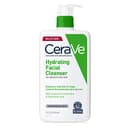
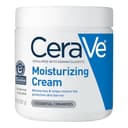
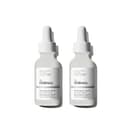
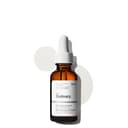
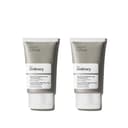
The active ingredients that carry the evidence in skincare — ceramides, niacinamide, hyaluronic acid, retinol, salicylic acid, broad-spectrum UV filters — are commodity ingredients. They’re not proprietary to luxury brands, and a well-formulated drugstore product delivers them just as effectively as a prestige one. Brands like CeraVe were built with dermatologists specifically to put barrier-repair formulas at a drugstore price, and The Ordinary made its name selling single actives at stated strengths for a few dollars. What you’re often paying extra for at the high end is packaging, fragrance, marketing and texture — not a better result.
Where drugstore is just as good
For most of a routine, spending more buys you little:
- Cleanser. A cleanser is on your face for under a minute. A gentle, non-stripping drugstore cleanser with ceramides does the whole job; a luxury one rinses down the drain just the same.
- Moisturizer.Barrier repair is about ceramides, cholesterol, fatty acids and humectants — all of which the best budget creams contain, in big, cheap tubs. This is the clearest “don’t overpay” category.
- Niacinamide, retinol and hyaluronic acid. These are inexpensive raw actives. A budget niacinamide or a basic retinol at a stated strength does the same work as a pricey one at the same concentration.
Where you might pay a little more
Honesty cuts both ways — a few categories are where spending up occasionally earns its keep, and it’s almost always about elegance, not efficacy:
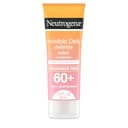
- Sunscreen finish.Budget SPF protects perfectly well, but some pricier facial sunscreens feel lighter and leave no cast, which for some people is the difference between wearing it daily and not. Since the best sunscreen is the one you’ll actually apply, texture can be worth paying for here.
- Sensitive-skin textures.If your skin is reactive, a more elegant, fragrance-free formula can be gentler than a bare-bones budget active — The Ordinary’s cheapest options sometimes trade texture for price (its high-strength vitamin C is famously gritty).
- Vitamin C stability.L-ascorbic acid is finicky. Budget versions work, but some pricier formulas are engineered for better stability and feel. It’s a modest upgrade, not a different result.
A complete budget routine
Put the picks together and you have a full, evidence-backed routine:
- Morning: gentle cleanser (or a water rinse), a vitamin C serum, the ceramide moisturizer, and sunscreen.
- Night:gentle cleanser, then an active a few nights a week — niacinamide any night, retinol on its own two or three nights a week — then the moisturizer.
That’s cleanse, treat, hydrate and protect, with all three core actives, for a fraction of a single luxury serum. Introduce the actives one at a time and give them a few weeks — the same rules apply whatever you paid. If you want the step-by-step, our how to build a routine guide starts from exactly these basics.
How to shop the drugstore aisle
The aisle is full of noise, so shop by a few rules. Read the ingredient list, not the front of the box— “brightening,” “anti-aging” and “clinical” are marketing, not formulas. Look for the actives you actually want (ceramides in a moisturizer, a stated retinol or niacinamide percentage, broad-spectrum SPF 30+). Skip added fragrance if your skin is at all reactive. And ignore the price-equals-quality instinct: in skincare, the correlation is weak, and a smart drugstore routine outperforms an expensive but poorly-chosen one every time.