Why “men’s skincare” is mostly a marketing category
Walk the men’s aisle and you’ll find the same ceramides, niacinamide, hyaluronic acid and sunscreen filters sold everywhere else — often in a darker bottle, sometimes with menthol or heavy fragrance added for the “fresh” hit, and not always at a better price. The additions tend to work against you: menthol and strong fragrance are among the more common irritants, and shaved skin is already primed to react. The useful differences between a good routine for a man and for anyone else come down to two things — texture(lighter, faster-absorbing formulas suit oilier skin and the “I don’t want to feel it” crowd) and shaving. Neither requires a gendered product; it requires choosing well and keeping the list short.
The core three: cleanse, moisturize, protect
If you do nothing else, do these three, every day. The American Academy of Dermatology’s baseline for healthy skin is exactly this trio, and it covers almost everyone. Total time: under two minutes, twice a day.
Cleanser
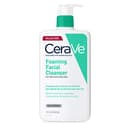
The job of a cleanser is to lift off oil, sweat and sunscreen without stripping the barrier. If your face feels tight and squeaky afterward, the wash is too harsh. For the oilier, combination skin most men have, a gel-to-foam cleanseris the sweet spot — it cuts shine and SPF but leaves the skin comfortable when it’s built around ceramides and niacinamide rather than pure detergent. Wash with lukewarm water and your fingertips, not hot water and a scrubby cloth; the AAD specifically warns against hot water and aggressive rubbing. If your skin actually runs dry, step down to a non-foaming hydrating cleanser instead.
Moisturizer
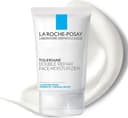
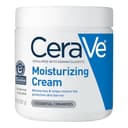
Even oily skin needs a moisturizer — skip it and skin often compensates by producing more oil, leaving you shinier, not less. The trick for men who hate a heavy or greasy feel is a lightweight lotion with ceramides and glycerin or hyaluronic acid, which repairs the barrier and disappears into the skin in seconds. Apply it to slightly damp skin to trap more water. Save the rich tub creams for genuinely dry skin, winter, or the body.
Sunscreen
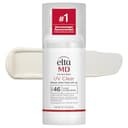
This is the highest-value step and the one most men skip. Daily broad-spectrum SPF prevents far more visible aging — lines, leathery texture, dark spots — than any serum can undo, and it’s non-negotiable if you use retinol or acids. The FDA notes that a broad-spectrum SPF 30 filters roughly 97% of UVB when you apply enough of it, which most people don’t. Aim for about two finger-lengths for the face and neck, and pick a finish you don’t hate, because the best sunscreen is the one you’ll actually put on. Oil-free, no-white-cast formulas make daily wear painless.
Shaving changes the timing, not the products
Shaving is the one genuinely men-specific variable, and it mostly affects when you use things, not what you buy. A blade exfoliates as it cuts, so freshly shaved skin is more permeable and more easily stung. Two rules keep the peace: cleanse and shave first, then apply your moisturizer to calm and rehydrate the skin; and keep your actives away from a fresh shave. Retinol and exfoliating acids can burn on just-shaved skin, so use them at night on the days you don’t shave right before, or simply run them on your off-shave evenings. If ingrown hairs and razor bumps are your main complaint, a leave-on salicylic (BHA) or a low-strength glycolic used a couple of nights a week does far more than any “razor bump” gimmick — see our exfoliant guide for how to work one in without overdoing it.
Two upgrades worth adding — one at a time
Once the core three are automatic, these are the two additions with the most evidence behind them. Add one, give it a few weeks, and only then consider the other. Piling on five new products at once is the fastest way to an irritated barrier and a routine you quit.
Retinol, for lines and long-term aging
Retinol is the most evidence-backed over-the-counter anti-aging active there is — the peer-reviewed literature ties topical retinol to improved collagen and reduced photoaging over months of use. Start low (a 0.5% or lower) two nights a week, buffer with moisturizer, and build up as your skin tolerates it. Expect some flaking early; that’s the ramp-up, not a reaction to push through blindly. Thicker male skin often tolerates it well, but the rules are the same for everyone: go slow, and wear sunscreen the next morning.
Vitamin C, for dullness and dark spots
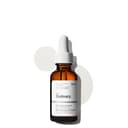
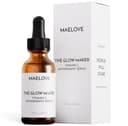
If your complaint is a tired, dull look or lingering dark marks — from old breakouts, ingrowns or sun — a morning vitamin C serum is the upgrade to reach for. The form with the real dermatology evidence is L-ascorbic acid, ideally paired with vitamin E and ferulic acid, which the literature shows stabilizes it and boosts its antioxidant protection under daylight. Use a few drops after cleansing and before moisturizer and SPF. It’s an antioxidant layer that makes your sunscreen work harder, not a replacement for it.
How to choose — and what to skip
Match the texture to your skin, not the label to your gender. Oily or combination skin: a foaming cleanser, a light lotion, and an oil-free sunscreen. Dry or sensitive skin: a non-foaming cleanser and a richer, fragrance-free cream, and be cautious ramping up actives. What’s safe to skip for most men: multi-step “systems,” separate day and night everything, toners you don’t need, and anything selling a menthol tingle as proof it’s working. A short routine done daily beats a long one you abandon by Thursday.