Barrier & Balm

Best Skincare Brands

No brand is good at everything. The seven worth knowing, what each one is genuinely best at, where each falls short — and the one product to start with from each.

By Stephen V.Last updated How we pick

“What’s the best skincare brand?” is the wrong question, and asking it is how people end up with a bathroom shelf full of one company’s products where only two of them are any good. Brands aren’t good or bad. They’re good at things— a barrier cream, a cheap single active, a sunscreen you’ll actually reapply — and the same company that nails one of those is often unremarkable at the rest.

So this page does something slightly different from a normal roundup. Instead of ranking products against each other, it ranks brands by what they reliably do well, names the honest limit of each one, and gives you the single product to start with if you want to try them. The criteria are the same four we apply to every shelf on this site: does the brand tell you the concentration, does it keep fragrance out of the formulas that matter, can it carry a whole routine or only one step, and what does a unit of active actually cost. Those four separate the brands worth your attention from the ones selling the front of the box.

The practical upshot, which no brand will tell you: the right answer is almost always severalbrands. Buy each company’s best thing and ignore the rest of its catalog.

How this is funded: we earn a commission if you buy through our links, at no extra cost to you. It never changes which product we recommend, and we’ll tell you when we’d skip one. Full disclosure.

Quick picks

Ranked on formulation, stated concentration and buyer fit. Select a row to jump to the full write-up. We have not tested these products — here is exactly what we do instead.

#ProductBest forPrice
1
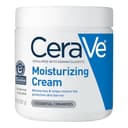
CeraVe Moisturizing Cream

CeraVe Moisturizing Cream

The default dry-skin cream and hard to beat on value — three ceramides plus hyaluronic acid in a big, cheap tub. Rich enough for very dry skin, fragrance-free enough for most sensitive skin.

Best overall brand
$17.80 · View on Amazon

$18.966% off

Price as of October 1, 2026. #ad How we’re funded

2
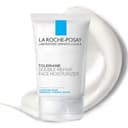
La Roche-Posay Toleriane Double Repair Face Moisturizer

La Roche-Posay Toleriane Double Repair Face Moisturizer

The best all-day face moisturizer for reactive skin here — ceramides and niacinamide in a texture light enough for daytime but repairing enough for a compromised barrier. Fragrance-free.

Best for sensitive skin
$19.49 · View on Amazon

$24.9922% off

Price as of October 1, 2026. #ad How we’re funded

3
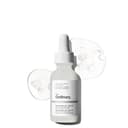
The Ordinary Niacinamide 10% + Zinc 1%

The Ordinary Niacinamide 10% + Zinc 1%

The default niacinamide serum for a reason — a stated 10% with zinc, for a couple of dollars. Worth knowing that 10% is above the 4-5% most studies use, so sensitive skin may prefer less.

Best for cheap single actives
$5.40 · View on Amazon

Price as of October 1, 2026. #ad How we’re funded

4
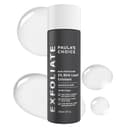
Paula's Choice Skin Perfecting 2% BHA Liquid Exfoliant

Paula's Choice Skin Perfecting 2% BHA Liquid Exfoliant

The most-recommended leave-on BHA there is, and deservedly — a stated 2% salicylic acid at the right pH, in a lightweight liquid. The single best product for blackheads and clogged pores.

Best for exfoliants
$37.00 · View on Amazon

Price as of October 1, 2026. #ad How we’re funded

5
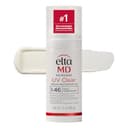
EltaMD UV Clear Broad-Spectrum SPF 46

EltaMD UV Clear Broad-Spectrum SPF 46

The facial sunscreen dermatologists reach for most, and it earns it: zinc-oxide-based SPF 46 with niacinamide, oil-free and fragrance-free, cosmetically elegant enough to actually wear daily.

Best sunscreen specialist
$45.00 · View on Amazon

Price as of October 1, 2026. #ad How we’re funded

6
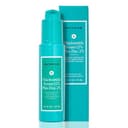
Naturium Niacinamide Serum 12% + Zinc 2%

Naturium Niacinamide Serum 12% + Zinc 2%

Pushes to a stated 12% niacinamide with 2% zinc for oilier skin that specifically wants pore and shine control. Higher again than the studied range — a targeted, not gentle, choice.

Best mid-price actives
$13.59 · View on Amazon

$17.0020% off

Price as of October 1, 2026. #ad How we’re funded

7
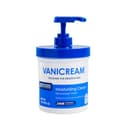
Vanicream Moisturizing Skin Cream

Vanicream Moisturizing Skin Cream

The minimalist's choice — free of fragrance, dyes, lanolin, parabens and formaldehyde releasers, in a hygienic pump tub. When the goal is 'nothing that could react', this is the shortlist.

Best for allergy-prone skin
$13.56 · View on Amazon

$14.496% off

Price as of October 1, 2026. #ad How we’re funded

The picks in full

#1Best overall brand

CeraVe Moisturizing Cream

The default dry-skin cream and hard to beat on value — three ceramides plus hyaluronic acid in a big, cheap tub. Rich enough for very dry skin, fragrance-free enough for most sensitive skin.

Strengths

  • 3 essential ceramides + hyaluronic acid in a barrier-repair base
  • Enormous quantity for the price
  • Fragrance-free

Trade-offs

  • Tub packaging is less hygienic than a pump — use clean hands
  • Too heavy for oily skin in summer
Key activeCeramides + hyaluronic acid
Stated concentrationNot published
FormatRich cream
Fragrance-freeYes
Best forDry, Normal, Sensitive

Formulation note. Ceramides 1, 3 and 6-II + hyaluronic acid, using MVE technology for slow release. A genuine barrier-repair formula at a commodity price.

Ingredients and claims read from the product listing, on July 17, 2026. “Not published” means the brand does not state that figure.

#2Best for sensitive skin

La Roche-Posay Toleriane Double Repair Face Moisturizer

The best all-day face moisturizer for reactive skin here — ceramides and niacinamide in a texture light enough for daytime but repairing enough for a compromised barrier. Fragrance-free.

Strengths

  • Ceramide-3 + niacinamide + prebiotic thermal water
  • Light enough for morning, under makeup or SPF
  • Fragrance-free, allergy-tested

Trade-offs

  • A face-sized tube, not a value tub
  • Not rich enough for the driest winter skin
Key activeCeramide-3 + niacinamide
Stated concentrationNot published
FormatLight cream
Fragrance-freeYes
Best forSensitive, Normal, Combination

Formulation note. Ceramide-3 + niacinamide + glycerin + prebiotic thermal spring water. Designed around barrier repair for reactive skin — the daytime counterpart to a heavier night cream.

Ingredients and claims read from the product listing, on July 17, 2026. “Not published” means the brand does not state that figure.

#3Best for cheap single actives

The Ordinary Niacinamide 10% + Zinc 1%

The default niacinamide serum for a reason — a stated 10% with zinc, for a couple of dollars. Worth knowing that 10% is above the 4-5% most studies use, so sensitive skin may prefer less.

Strengths

  • Stated 10% niacinamide + 1% zinc for oil control
  • Among the cheapest actives in skincare
  • Fragrance-free, water-light texture

Trade-offs

  • 10% is higher than the researched 4-5% and can pill or sting
  • Zinc suspension can feel slightly draggy
Key activeNiacinamide
Stated concentration10%
FormatWater-light serum
Fragrance-freeYes
Best forOily, Combination, Blemish-prone

Formulation note. 10% niacinamide + 1% zinc PCA. Most published benefit for redness and barrier appears around 4-5%; 10% is not 'stronger is better' and can irritate — an honest caveat on a genuinely useful, cheap serum.

Ingredients and claims read from the product listing, on September 29, 2026. “Not published” means the brand does not state that figure.

#4Best for exfoliants

Paula's Choice Skin Perfecting 2% BHA Liquid Exfoliant

The most-recommended leave-on BHA there is, and deservedly — a stated 2% salicylic acid at the right pH, in a lightweight liquid. The single best product for blackheads and clogged pores.

Strengths

  • Stated 2% salicylic acid, formulated at an effective pH
  • Oil-soluble BHA gets into pores where AHAs can't
  • Fragrance-free, non-abrasive leave-on liquid

Trade-offs

  • Start 2-3x weekly — daily from the outset can over-exfoliate
  • Don't stack with retinol the same night when starting out
Key activeSalicylic acid (BHA)
Stated concentration2%
FormatWatery liquid
Fragrance-freeYes
Best forOily, Combination, Blemish-prone

Formulation note. 2% salicylic acid at a functional pH. Being oil-soluble is the point — BHA clears the inside of pores, which is why it beats a scrub for blackheads.

Ingredients and claims read from the product listing, on September 29, 2026. “Not published” means the brand does not state that figure.

#5Best sunscreen specialist

EltaMD UV Clear Broad-Spectrum SPF 46

The facial sunscreen dermatologists reach for most, and it earns it: zinc-oxide-based SPF 46 with niacinamide, oil-free and fragrance-free, cosmetically elegant enough to actually wear daily.

Strengths

  • Zinc oxide + niacinamide — calming and non-irritating
  • Oil-free, fragrance-free, non-comedogenic
  • Light finish that layers under makeup

Trade-offs

  • Premium price per ounce
  • Very slight cast on the deepest skin tones (the tinted version fixes this)
Key activeZinc oxide + niacinamide (SPF 46)
Stated concentrationSPF 46
FormatLightweight lotion
Fragrance-freeYes
Best forSensitive, Acne-prone, Rosacea-prone

Formulation note. Broad-spectrum SPF 46 with zinc oxide + 5% niacinamide. The niacinamide is a genuine plus for redness-prone skin — the reason it's a repeat recommendation, not just a decent SPF.

Ingredients and claims read from the product listing, on September 29, 2026. “Not published” means the brand does not state that figure.

#6Best mid-price actives

Naturium Niacinamide Serum 12% + Zinc 2%

Pushes to a stated 12% niacinamide with 2% zinc for oilier skin that specifically wants pore and shine control. Higher again than the studied range — a targeted, not gentle, choice.

Strengths

  • Stated 12% niacinamide + 2% zinc
  • Lightweight, fast-absorbing
  • Inexpensive

Trade-offs

  • 12% is well above the researched 4-5% — more room to irritate
  • Not the pick for sensitive or dry skin
Key activeNiacinamide
Stated concentration12%
FormatLightweight serum
Fragrance-freeYes
Best forOily, Blemish-prone

Formulation note. 12% niacinamide + 2% zinc. The highest niacinamide here; useful for oil control, but higher concentration means more irritation risk, not more benefit.

Ingredients and claims read from the product listing, on July 17, 2026. “Not published” means the brand does not state that figure.

#7Best for allergy-prone skin

Vanicream Moisturizing Skin Cream

The minimalist's choice — free of fragrance, dyes, lanolin, parabens and formaldehyde releasers, in a hygienic pump tub. When the goal is 'nothing that could react', this is the shortlist.

Strengths

  • Free of the most common contact irritants and allergens
  • Pump-tub is more hygienic than a jar
  • Great value in the large size

Trade-offs

  • Very plain — no ceramides or niacinamide extras
  • Occlusive finish some find heavy
Key activeBarrier emollients (minimal formula)
Stated concentrationNot published
FormatRich cream
Fragrance-freeYes
Best forSensitive, Allergy-prone, Dry

Formulation note. Formulated without fragrance, dyes, lanolin, parabens and formaldehyde releasers — chosen for what it leaves out rather than actives it adds. The dermatologist's elimination-routine default.

Ingredients and claims read from the product listing, on July 17, 2026. “Not published” means the brand does not state that figure.

How we judged these brands

We own no units and we run no lab, so we don’t rank brands on how a cream felt on someone’s face — here is exactly what we do instead. What you can judge a brand on, from the outside and consistently, is the discipline of its formulating. Four criteria, in this order:

1. Does it state the concentration?

This is the single most useful signal a skincare brand gives you. A label that says “10% niacinamide” or “2% salicylic acid” is making a checkable claim; one that says “brightening complex” is making none. Brands that publish numbers can be compared, held to account and dosed sensibly against the published research — and they tend to be the brands confident the number is worth stating. Brands that hide behind proprietary blends are usually hiding a small one.

2. Is fragrance kept out of the formulas that matter?

Fragrance is the most common cause of cosmetic contact reactions, and it buys the skin nothing. A brand that ships its sensitive-skin and active lines fragrance-free as a default is telling you it is optimizing for the skin rather than the in-store sniff test. A brand that perfumes an acne wash is telling you the opposite.

3. Can it carry a routine, or only one step?

Some brands can credibly cover cleanser, moisturizer, treatment and SPF. Others make exactly one excellent thing. Both are fine — but it changes what the brand is for. A one-step specialist belongs on your shelf alongside others; a full-range brand can be a default you fall back on when you don’t want to think.

4. What does a unit of active cost?

Not the sticker price — the price per milliliter, and per point of concentration. A big tub of ceramide cream and a small jar of the same thing are not the same purchase. This is where the gap between brands is widest, and it rarely tracks quality: as we found comparing drugstore against prestige, paying more usually buys texture and packaging rather than a better result.

What each brand is actually for

Here is the short version of each brand’s case — and, because no brand earns an unqualified recommendation, the honest limit that comes with it.

CeraVe — the default, and the best all-rounder

CeraVe is the brand we end up recommending most across this site, for a boring and excellent reason: it puts a genuine barrier-repair formula — ceramidesplus hyaluronic acid, fragrance-free — into large containers at drugstore prices, and it does this across cleansers, moisturizers, SPF and a few actives. It can carry an entire routine without a weak link. The limit: nothing in the range is the best in its category on formulation alone. The tub packaging is less hygienic than a pump, the acne line is ordinary next to a dedicated exfoliant, and if you have a specific problem a specialist will usually beat it. CeraVe is the brand you buy when you want to stop researching.

La Roche-Posay — for skin that reacts to things

The French-pharmacy approach is narrower and more deliberate: fewer ingredients, allergy-tested, fragrance-free through the sensitive lines, and built around barrier support for skin that misbehaves. Our pick pairs ceramide-3 with niacinamide in a texture light enough to wear under sunscreen, which is the awkward gap most barrier creams miss. The limit:you pay noticeably more than CeraVe for a comparable ingredient list in a smaller tube, and the two brands overlap heavily — we walk through exactly where in CeraVe vs La Roche-Posay. If your skin isn’t reactive, the premium is hard to justify.

The Ordinary — for the lowest possible price per active

No brand has done more to make concentrations public. The Ordinary sells single actives at stated strengths for a few dollars, which makes it unbeatable on criterion one and criterion four simultaneously. If you know what you want, this is the cheapest honest way to get it. The limit:it hands you the chemistry and none of the guidance. Our pick states 10% niacinamide, which is above the roughly 4–5% most of the published benefit sits at — higher isn’t better, just more likely to sting (we break the numbers down in niacinamide percentages). Some textures are frankly basic. You have to know how to combine the actives yourself, which is the whole trade-off we unpack in The Ordinary vs CeraVe.

Paula’s Choice — for exfoliants, and only barely for anything else

One category, owned outright. The 2% BHA liquid is the most-recommended leave-on exfoliant there is because it does the two things that actually determine whether a salicylic acid works: it states the percentage, and it is formulated at a pH where that percentage does something. Being oil-soluble is the point — it clears the inside of a pore, which no scrub does. The limit: the rest of the range is good-not-essential and priced well above the drugstore equivalent, and the exfoliant itself needs easing into at two or three nights a week rather than daily. Buy the BHA; you can skip the catalog.

EltaMD — a one-category specialist worth the money

Sunscreen is the one place on this site where we think paying up is routinely defensible, because the best sunscreen is the one you’ll actually wear every day, and finish decides that. EltaMD does essentially one thing: elegant, zinc-oxide-based facial SPF, oil-free and fragrance-free, with niacinamide in the base that genuinely helps redness-prone skin. The limit:the price per ounce is the highest here by a wide margin, the range is narrow enough that it can’t be your only brand, and the untinted version leaves a faint cast on the deepest skin tones. See where it lands against cheaper options in best sunscreen for your face.

Naturium — the mid-price middle ground

Naturium occupies the space between The Ordinary’s bare actives and prestige: stated concentrations, more pleasant textures, still inexpensive. It is a sensible default if The Ordinary’s formulas have put you off but you don’t want to pay pharmacy prices. The limit:it is a younger brand with a thinner published record than the pharmacy names, and it leans toward high numbers — our pick states 12% niacinamide, further still above the researched range, which makes it a targeted choice for genuinely oily skin rather than a gentle one. Not the brand for sensitive or dry skin.

Vanicream — for when the goal is “nothing that could react”

Vanicream is the anti-brand: formulated without fragrance, dyes, lanolin, parabens and formaldehyde releasers, sold in a big hygienic pump tub, chosen entirely for what it leaves out. If you are working out what your skin is reacting to, or a dermatologist has you on an elimination routine, this is the shortlist. The limit:it is deliberately plain — no ceramides, no niacinamide, no actives at all — so it is a base, not a treatment brand. You will need other brands for anything beyond moisturizing, and some people find the finish heavy.

Brands we didn’t single out, and why

Leaving a brand off isn’t an accusation. Most of these make at least one product we recommend elsewhere on the site; they just don’t win a category on the four criteria above.

  • Neutrogenamakes several products we rate, including a budget sunscreen and a retinol night cream. But fragrance turns up across the range often enough that we have to specify the fragrance-free version of its acne wash by name — which is exactly the discipline problem criterion two is designed to catch.
  • Cetaphil has a deserved reputation for gentleness, but its classic formulas are simple emollients without the ceramides that make the comparable CeraVe products more useful for a damaged barrier. We put them side by side in CeraVe vs Cetaphil.
  • Good Molecules and The INKEY List both do the cheap-single-active job competently, and either is a fine substitute. Neither does it better or cheaper than The Ordinary, so the category already has its answer.
  • PanOxyl, Differin, Blue Lizard, Black Girl Sunscreen, COSRX, Skinfix, Dr.Jart+, Maelove and RoCare specialists we recommend for one specific job each. A single excellent product is a genuine reason to buy a brand — it just isn’t a reason to call it one of the best brands, which is a claim about range and consistency.

Brand loyalty is mostly marketing

Every brand on this page would prefer you bought your whole routine from it, and the pitch is usually that the products are “designed to work together.” For the overwhelming majority of skincare, this isn’t a real effect. A ceramide cream does not know which company made the cleanser you used before it. What actually matters is the order you apply things and which actives you combine — both of which are properties of the ingredients, not the logo, and both covered in how to layer skincare.

There are two narrow exceptions worth knowing. Sets built around a single prescription-strength or high-strength active sometimes include a matched buffering moisturizer, which is a legitimate pairing. And a brand that keeps its whole sensitive line fragrance-free does lower your odds of a reaction, simply because you can shop it without reading every label. Neither is a reason to buy ten products from one company.

So the efficient approach is the one most people arrive at eventually: a mixed shelf. Barrier cream from CeraVe or Vanicream, one cheap active from The Ordinary or Naturium, an exfoliant from Paula’s Choice if you need one, sunscreen from whoever makes a finish you’ll tolerate daily. Our best drugstore skincareroutine is exactly that — three brands, one complete routine, deliberately.

How to judge a brand you’ve never tried

You can run the four criteria yourself in about a minute, on any brand, in any aisle. Turn the box over and look for a stated percentageon anything sold as an active — if there isn’t one, the brand is asking for trust it hasn’t earned. Check whether fragrance or parfum appears in a product aimed at sensitive or acne-prone skin; if it does, the brand isn’t formulating for that skin. Scan the range for whether it covers more than one step well, or just has one hero and a lot of filler. Then do the arithmetic on price per milliliter, not price per bottle, because a small jar of a good formula and a large tub of the same formula are very different purchases.

Two final warning signs, both common and both cheap to avoid: a brand whose marketing leans on “clinically proven” without naming what was tested, at what strength, in how many people; and a brand with twelve near-identical serums, which usually means a line built for shelf space rather than for a routine. If you want the ingredient-literacy version of all of this, our guide to reading skincare ingredient labels goes line by line.
Frequently asked questions

What is the best skincare brand overall?

CeraVe, if you have to pick one. It is the only brand here that can carry a complete routine — cleanser, moisturizer, SPF and a few actives — without a weak link, while keeping formulas fragrance-free and pricing them at the drugstore. The honest caveat is that it is best-in-category at almost nothing: for any single specific problem, a specialist brand will usually beat it. CeraVe is the brand to buy when you want to stop researching, not the brand that wins every individual comparison.

Are expensive skincare brands better than cheap ones?

Usually not in the way the price implies. The ingredients that carry the evidence — ceramides, niacinamide, retinol, hyaluronic acid, UV filters — are commodity actives, and a disciplined drugstore brand delivers them as effectively as a prestige one. What the premium typically buys is texture, packaging and fragrance, not a better result. The clearest exception is sunscreen, where a more elegant finish genuinely increases the odds you wear it every day, and that does change the outcome.

Is it bad to mix skincare brands?

No, and mixing is what we'd recommend. The idea that a brand's products are specially 'designed to work together' is mostly marketing — a moisturizer cannot tell which company made your cleanser. What matters is the order you apply products and which actives you combine, and both are properties of the ingredients rather than the brand. Buying each brand's best product and ignoring the rest of its range is the more efficient approach.

Which skincare brands do dermatologists recommend most?

CeraVe, La Roche-Posay, Vanicream and EltaMD come up most consistently, and the reason is a pattern rather than a coincidence: all four are fragrance-free through the lines that matter, built around barrier support or sun protection rather than novelty actives, and conservative about what they claim. Vanicream in particular is a common pick for elimination routines because it is formulated without the most frequent contact allergens.

What is the best skincare brand for sensitive skin?

La Roche-Posay for a reactive-but-functioning barrier, because its sensitive lines are fragrance-free and allergy-tested and still contain useful actives like ceramides and niacinamide. Vanicream if you are actively trying to identify a trigger, since it is formulated without fragrance, dyes, lanolin, parabens and formaldehyde releasers and contains almost nothing else to react to. The trade-off is that Vanicream is a plain base with no actives at all.

Is The Ordinary a good brand?

For single actives at the lowest price, it is hard to beat — stated concentrations, fragrance-free formulas and prices a fraction of the pharmacy brands. The trade-offs are real though: some textures are basic, several products state concentrations higher than the research supports (its 10% niacinamide sits above the roughly 4-5% where most published benefit appears), and the brand gives you no guidance on combining actives. It rewards people who already know what they want.

Sources

Keep reading