The three that do most of the work
Sunscreen, every morning
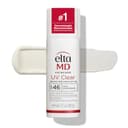
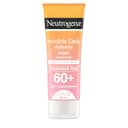
There is no serious argument about this. A broad-spectrum SPF 30 or higher, used daily and generously, does more for long-term skin health than any serum on this page or any product above it in price. The FDA notes that SPF 30 filters about 97% of UVB, and that how much you apply matters as much as the number on the bottle — roughly a quarter to a third of a teaspoon for the face, which is more than most people use. Our top pick carries zinc oxide with niacinamide, which is why dermatologists reach for it on redness-prone and acne-prone skin; the budget pick is a fragrance-free SPF 60 in a bigger tube, which is the more important specification if price is what makes you ration it. See best sunscreen for face and best sunscreen under $25.
A cleanser that does not strip
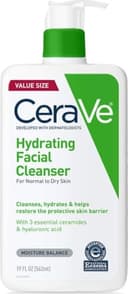
If your face feels tight and squeaky after washing, the cleanser is too harsh and everything you apply afterwards is working against a damaged barrier. CeraVe Hydrating Facial Cleanser is a non-foaming lotion that cleans by dissolving rather than stripping and leaves three named ceramides, hyaluronic acid and niacinamide behind. Oily skin may prefer a gel or foaming version; dry and sensitive skin should start here. Our cream cleanser roundup and how to choose a cleanser cover the rest.
A moisturizer with named barrier lipids
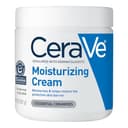
CeraVe Moisturizing Cream: three named ceramides and hyaluronic acid in a 340 ml tub, fragrance-free, and cheap enough to use on your hands as well. Even oily skin needs a moisturizer — skipping it often makes oiliness worse — it simply wants a lighter one, in which case take CeraVe PM Facial Moisturizing Lotion instead. See moisturizers under $25 and best ceramide moisturizers.
The five upgrades, in order of evidence
Retinol, if you want one active
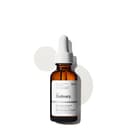
Retinoids have the strongest evidence of anything on this page for texture, fine lines and photoaging, and The Ordinary Retinol 0.5% in Squalane is the clearest-labeled way to buy one: an exact stated 0.5%, in a simple base, for under $10. Start two nights a week, build slowly, and wear sunscreen every morning without exception. It is slow — twelve weeks to the first visible change — and it is the most commonly abandoned product in skincare for exactly that reason. See best retinol under $25 and best retinol for beginners.
Vitamin C, if brightness and antioxidant protection are the goal
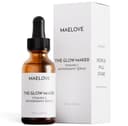
Maelove Glow Maker uses the L-ascorbic acid, vitamin E and ferulic acid combination that has published photoprotection research behind it, at a stated 15%, fragrance-free. Use it in the morning under sunscreen, buy the smallest size you will finish, and replace it when it darkens — L-ascorbic acid oxidises, which is chemistry rather than a defect. See best vitamin C serums.
A leave-on BHA, if blackheads and clogged pores are the complaint
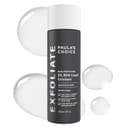
Paula’s Choice 2% BHA Liquid Exfoliant is a stated 2% salicylic acid at a functional pH. Being oil-soluble is the point: it gets inside a pore lined with sebum in a way a water-loving acid cannot, which is why it beats a scrub for blackheads and why physical exfoliation is not on this list at all. Start two or three times a week. Do not stack it with retinol on the same night while you are ramping either one. See best chemical exfoliants and how often to exfoliate.
Niacinamide, if pores, shine or redness are the complaint
The Ordinary Niacinamide 10% + Zinc 1% is the cheapest useful active in skincare and one of the best tolerated. Worth knowing that most of the published benefit appears around 4–5%, so 10% is not “stronger is better” and can sting or pill on sensitive skin. See niacinamide moisturizers if you would rather have it in a cream.
Three things to skip
Physical scrubs. A chemical exfoliant does the job more evenly and without the micro-tears a gritty scrub causes. Physical vs chemical exfoliation lays out why.
Most toners. The astringent toners of the 1990s existed to remove cleanser residue from a stripping cleanser and to tighten pores, neither of which is a real job today. A hydrating or exfoliating toner can be useful; a toner because the step exists is not. Do you need a toner? answers it honestly.
Collagen creams and most “firming” claims. Collagen applied topically is too large a molecule to reach where it would need to go. Retinoids and sunscreen are the two things with evidence for the problem collagen creams are sold for. See collagen, explained.
How to actually start
Buy the cleanser, the moisturizer and the sunscreen. Use only those for two to four weeks, which is long enough for an irritated barrier to settle and for you to establish whether anything in the base disagrees with you. Then add oneactive — the retinol if ageing and texture are your concern, the BHA if congestion is, the vitamin C if dullness is — at two nights or mornings a week, and build. Wait another month before adding a second.
That is slower than every routine video suggests and it is the reason most people’s routines fail. Skin takes weeks to show you what a product does, and if you change four variables at once you learn nothing. Our how to build a skincare routine guide has the full sequence, skincare routine order has the layering, and how to introduce new actives has the schedule. If you would rather shop by brand than by step, our best skincare brands page ranks the companies instead of the products.