How to spend $25 on a moisturizer without wasting it
1. Buy the size, not the bottle
The single biggest mistake in this band is paying face-cream prices for face-cream quantities when the same formula exists in a tub. The table above makes the gap plain: the tubs land in the three-cent-per-millilitre range, the pumps in the fifteen-cent range, and the difference is a factor of five for products doing the same physical job. That matters because under-applying moisturizer is the normal failure mode. A moisturizer only works where you put it, and people ration a small expensive pump in a way they never ration a tub. If your skin is dry from the jaw down as well as up, the tub is not merely cheaper, it is the product you will actually use properly.
The counter-argument is hygiene and texture. A tub you dip fingers into is less hygienic than a pump — use clean hands, or a small spatula — and a rich cream is wrong for skin that is already oily. That is why two of the six picks here are lotions in the first place.
2. Read what the ceramides are called
Ceramides are the lipids your skin barrier is largely built from, and putting them back is one of the few things a moisturizer does that has solid support behind it. But “with ceramides” is not a regulated claim. The picks here that name theirs individually — ceramides NP, AP and EOP in the CeraVe formulas, ceramide-3 in the La Roche-Posay — are telling you something the rest are not, and that disclosure is free. Where a brand will not name them, we record it as unpublished rather than guessing, which is why some spec cells on this page read “Not published.” An empty cell is a finding, not a gap in our research. Our ceramides explainer covers what they do and best ceramide moisturizers ranks the whole category on disclosure, including the ones above this price cap.
3. Fragrance-free is free
Every pick on this page is fragrance-free by its published ingredient list. That is not a coincidence or a filter we applied for its own sake — it is that the drugstore barrier-repair shelf has largely abandoned perfume, while the prestige shelf has not. Fragrance is the most common cosmetic allergen and it does nothing for your skin, so on a page about not overpaying it is worth saying plainly: the cheap option is also the lower-risk one here. Note that “unscented” is a different claim and a weaker one.
4. Decide whether you are buying a sunscreen too
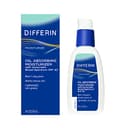
One pick here, the Differin, is a moisturizer with SPF 30 and a Drug Facts panel listing avobenzone 3%, octisalate 5% and octocrylene 7%. At under $11 that is genuinely two steps for the price of a cheap one, and for acne-prone skin that keeps skipping sunscreen it is the most useful thing in the band. The honest caveat is dose: a sunscreen only delivers its labeled SPF at about a quarter-teaspoon for the face, which is more than most people apply of a moisturizer. Use enough, or treat it as a base and add a proper SPF over it — how much sunscreen to apply has the two-finger rule.
What you give up by capping at $25
Less than people expect, and it is worth being specific about what the line actually excludes. Above this cap sit the prestige barrier creams — a stated 3% lipid complex, five named ceramides in a cushioned base, colloidal oatmeal, peptides. Those formulas are better disclosed and often nicer to wear, and if texture is what keeps you using a product twice a day then texture is not a frivolous thing to buy. What you are not giving up at $25 is efficacy on the thing that matters: every pick here supplies humectants to draw water in, emollients to make that comfortable, and occlusives or barrier lipids to stop the water leaving. That is the whole mechanism.
The one real gap in this band is niacinamide plus ceramides in a light, non-greasy base for skin that also breaks out. CeraVe PM covers most of it cheaply, but the formulas built specifically around calming inflamed, acne-prone skin sit above the cap — our acne-prone moisturizer picks include one, with the price trade-off stated. Similarly, if your skin is eczema-prone, the colloidal-oatmeal creams that suit it best start just above this line; the eczema-prone routine explains why.
Which of the six is yours
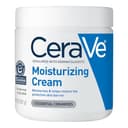
Dry skin, face and body: CeraVe Moisturizing Cream. Three named ceramides, hyaluronic acid, 340 ml, fragrance-free. It is the default for a reason and nothing in this band beats it on completeness.
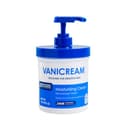
Reactive skin, or you have reacted to something and do not know what:Vanicream Moisturizing Skin Cream. It is chosen for what it leaves out — no fragrance, dyes, lanolin, parabens or formaldehyde releasers — which makes it the standard elimination-routine cream, and at 453 ml in a pump tub it is the cheapest per use on the page. The trade-off is that it is plain: no ceramides, no niacinamide, nothing to argue for beyond doing the job. It is also roughly where this category bottoms out: nothing we track that deserves the word moisturizer costs under ten dollars, which is the one gap best skincare under $10 has to report rather than fill.
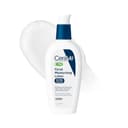
Oily or acne-prone skin:CeraVe PM Facial Moisturizing Lotion. Ceramides and niacinamide in a near-weightless lotion, and despite the “PM” it is fine in the morning under sunscreen. It costs more per millilitre than the tubs, which is the price of the texture.
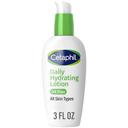
Skin a treatment has left raw:Cetaphil Daily Hydrating Lotion — sixteen ingredients, oil-free and fragrance-free, hydrolyzed hyaluronic acid and glycerin doing the work, and nothing in the list to blame if something stings. There are no ceramides in it, which is the trade for the short list.
You keep skipping sunscreen: Differin Oil Absorbing Moisturizer SPF 30, as long as you apply enough of it.
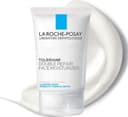
Sensitive skin, daytime, under makeup: La Roche-Posay Toleriane Double Repair, which sits right at the top of the band. It is the smallest tube here and the most expensive per millilitre, and what you are paying for is a light daytime texture with ceramide-3 and niacinamide in it. Worth it if the heavier creams pill under your SPF; not worth it otherwise. If you want the whole shelf ranked by skin type instead of by price, start with how to choose a moisturizer.