How to spend $10 well
1. Buy the number, not the bottle
At this price the packaging is plain, the marketing is thin and the formulas are short — and the brands compensate by telling you exactly what is in them. That is the whole value proposition of the entry shelf, and it inverts the usual relationship between price and disclosure. A stated 0.5% retinol at under $10 tells you more than a “clinical-strength retinol complex” at $80, because you can act on a number: start twice weekly, build, and step up to the 1% when your skin is bored of it. You cannot plan around a complex. Our retinol for beginners page is built on exactly that logic.
2. Check the size, because the cheapest bottles are often the smallest
A 13 ml bottle of face oil for eight dollars is not cheap skincare; it is a small amount of skincare. Every pick below is listed with its size in the spec table, and the price-band table above divides the live price by that size so you can see which of these is genuinely inexpensive rather than merely small. The pattern is consistent across the registry: the 30 ml dropper bottles are good value, the 400 ml micellar water is exceptional value, and anything under 15 ml is a sample sold at retail. This is the same arithmetic that drives our eye creams under $25 page, where the whole category is priced on smallness.
3. Fragrance-free is nearly free, so take it
Five of these seven are fragrance-free by their published ingredient lists, which means at this price there is largely no trade to make: you are not paying extra for the formula that leaves the most common cosmetic allergen out. The two exceptions are instructive. The sunscreen is scented, which we flag because a scented sunscreen is a real objection for reactive skin rather than a nitpick; and the spot treatment’s listing does not say either way, so its spec row reads “Not published” rather than a guess in its favor. Note too that under FDA labeling rules “fragrance” can stand in for a whole blend of components, so one word on a list can conceal a lot — fragrance-free vs unscented explains why the two terms are not interchangeable.
4. Know which steps this budget can and cannot do
Cleansing, exfoliation, niacinamide, a retinoid, an eye serum and a spot treatment are all comfortably buyable under $10, and the versions below are not compromises — three of them are our top picks on their own category pages at any price. Sunscreen is the step where $10 starts to strain: the pick here is SPF 30 rather than 50 and it is scented, and if you can stretch to the mid-teens the field opens up considerably (see sunscreen under $25). Published AAD guidance is to look for three things on an SPF label — broad spectrum, SPF 30 or higher, water resistant — and the cheapest bottles are where one of those three usually goes missing.
The step $10 does not buy: a ceramide moisturizer
It is worth being blunt about this rather than filling the slot. Nothing in our registry that we would call a moisturizer costs under $10. The cheapest cream with named ceramides is in the low teens, and the cheapest barrier cream with a published exclusion list is similar. What the sub-$10 shelf does offer is squalane — a single-ingredient emollient that is excellent at sealing water into damp skin and is not a moisturizer in the sense of a humectant-plus-occlusive formula.
If your budget per product really is $10, the honest ordering is: sunscreen first, then a cleanser, then the moisturizer at whatever it costs — and treat the actives as the optional layer on top rather than the foundation. A $6 niacinamide serum on a compromised barrier is worse value than a $13 ceramide cream. Moisturizers under $25 lists thirteen that qualify, most of them in the low teens, and alternatives to CeraVe Moisturizing Cream covers the big-tub end of that shelf.
Is cheap skincare worse skincare?
Not at the ingredient level, and this page is the evidence. Retinol, niacinamide, salicylic acid and squalane are commodity ingredients, all long out of patent, and the cost of putting a working dose of any of them in a bottle is cents. What more money buys is texture, scent, packaging, stability engineering, a longer ingredient list and a brand — some of which matters. An expensive vitamin C with a good antioxidant system genuinely outlasts a cheap one, and a $40 sunscreen you enjoy wearing protects more than a $9 one you avoid.
Where cheap does cost you is in disclosure around the harder categories. At this price nobody publishes a pH for an acid, sunscreen choice narrows to a handful of bottles, and “barrier cream” mostly means glycerin and petrolatum rather than named lipids. Our drugstore vs prestige comparison works through where the extra money does and does not go, and best drugstore skincare is the wider version of this page without a hard cap.
A $10-a-product routine that actually works
Morning: rinse with water or use the micellar water on a pad, then sunscreen. That is it. Nothing on this page needs to go on before sun protection in the morning, and skipping the serum step costs you nothing.
Evening, three nights a week:micellar water or a wash, then the retinol, then a moisturizer. On the other nights, swap the retinol for the niacinamide serum, or for the salicylic acid if congestion is your complaint — not both, and not on a retinol night while you are still building tolerance.
As needed:the spot treatment on an active breakout, the caffeine serum under the eyes on a morning you slept badly. Neither is a daily obligation, and the published order of operations — thinnest to thickest, acids before creams, sunscreen last in the morning — is covered in skincare routine order.
Four weeks between new products. This is the discipline that gets skipped when everything is affordable, and it is the only way to know which bottle caused the reaction when one of them does.
Which of the seven is yours
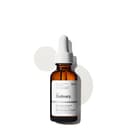
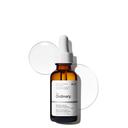
You want results and can only buy one: The Ordinary Retinol 0.5% in Squalane. Stated strength, available in 0.2% and 1% when you are ready to move, and the squalane base cushions the dryness.
Oil, redness and post-acne marks: Good Molecules Niacinamide Serum. A stated 10% at the lowest price in our registry; niacinamide is the best-tolerated active here and the easiest to layer.
Blackheads and rough texture:The Ordinary Salicylic Acid 2% Anhydrous Solution. The full US strength in an anhydrous squalane base with a de-stinging agent — see best salicylic acid serums for how it compares with the bigger bottles.
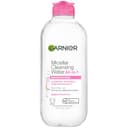
Cleansing on a budget, or no-rinse convenience:Garnier Micellar Cleansing Water for sensitive skin. Seven ingredients, fragrance-free, 400 ml — the best value per milliliter anywhere on this site. Not a substitute for washing a face that wore sunscreen.
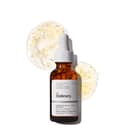
Morning puffiness: The Ordinary Caffeine Solution 5% + EGCG. A stated 5% caffeine in 30 ml rather than the usual 15 ml eye jar. Temporary effect, honestly priced.
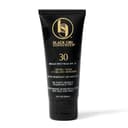
Sun protection at the lowest honest price:Black Girl Sunscreen SPF 30. Broad spectrum, built to rub in clear on deeper skin tones, and scented — which is the trade at this price.
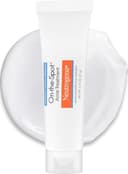
An active breakout tonight: Neutrogena On-The-Spot, a stated 2.5% benzoyl peroxide. The published comparison of benzoyl peroxide strengths found 2.5% as effective as 10% on inflammatory lesions with less peeling, so the cheap small tube is also the sensible dose.