How to buy a salicylic acid serum
1. Does the label state a percentage — and is it salicylic acid?
In the United States, salicylic acid for acne is regulated as an over-the-counter drug, which means a product that makes an acne claim has to print its percentage in a Drug Facts panel. The legal leave-on range is 0.5% to 2%, so 2% is the ceiling, not a mid-point. Four of the five picks here state 2%. That is a higher disclosure rate than anything else on this site — the retinol shelf, by contrast, is mostly silent about strength — and you should not buy a leave-on BHA that will not tell you its number when four of the five will.
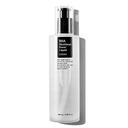
The fifth pick is the one that needs explaining, because its number looks bigger and is not. COSRX’s “BHA 4%” is 4% betaine salicylate, which is salicylic acid bonded to betaine — a different ingredient, measured differently. A 4% on that label and a 2% on a US acne label are not two points on one scale, and anyone reading them as if they were will buy the COSRX expecting double strength and get something gentler. We have listed it as the gentle pick for exactly that reason, and we would rather explain the arithmetic than quietly rank it first for having the biggest number.
2. pH matters, and almost nobody publishes it
An acid only works in its free acid form, and how much of it stays in that form depends on the pH of the formula. A 2% at pH 3.5 is doing more than a 2% at pH 5. This is the single most useful number after the percentage, and not one of the five brands on this page publishes a pH. Two of the glycolic brands in our glycolic toner rankingdo, which is why that page can rank on it and this one cannot. Where a brand says nothing, our spec tables read “Not published” rather than a figure someone estimated, and that gap is a finding about the category rather than a hole in our research.
The practical workaround: Paula’s Choice has built its reputation on formulating this specific product at a working pH and says so in its own marketing, and PanOxyl is a US acne brand selling a Drug Facts product. Both are reasonable places to put your trust. Neither is a published number, and we are not going to pretend otherwise.
3. Water-based or anhydrous changes who it suits
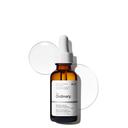
Four of these are water-based liquids. The Ordinary’s is anhydrous — no water at all, the acid carried in squalane and other emollients. That difference is more consequential than it sounds. An anhydrous base has no pH, cannot sting the way an acidic water solution can, and leaves an emollient film behind, which is why it is the pick for dry or reactive skin and the wrong pick if you already feel greasy by noon. It also carries 4-t-butylcyclohexanol, an ingredient included specifically to reduce the sting of actives. The flip side of having no pH is that its 2% is not directly comparable with a water-based 2% — a real caveat, not a disqualification.
4. Look at the bottle size before you decide anything is cheap
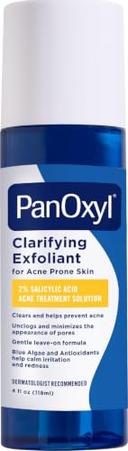
This is a maintenance product. You will use it two or three times a week indefinitely, and if your congestion is on your back, chest or shoulders you will get through it several times faster than someone dabbing it on a nose. The bottles below range from 30 ml to 118 ml — a four-fold spread — so the shelf price tells you very little on its own. The 118 ml PanOxyl is the lowest cost per milliliter of any stated 2% here and the 30 ml Ordinary is the lowest cost to try one; those are different questions with different answers. Live prices are in each pick’s buy row above, dated November 18, 2026.
5. Fragrance, and what “fragrance-free” is worth here
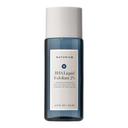
You are putting an exfoliating acid on skin that is frequently already irritated, so fragrance is a worse idea on this shelf than on most. Four of the five picks read fragrance-free in the spec tables above — three on the brand’s own claim, and the COSRX on a published ten-ingredient list with nothing perfuming in it. One of those three is worth a closer look: the Naturium carries the fragrance-free claim and nonetheless lists phenylpropanol, an ingredient with a perfuming function, so the front of the bottle and the back of it genuinely disagree and we flag it rather than resolve it. The PanOxyl claims only alcohol-free, and while no fragrance appears anywhere in the inactive list we could read, a missing ingredient is not a claim, so its spec row reads “Not published”. If you want the distinction spelled out, our fragrance-free vs unscented comparison covers why the two words are not interchangeable.
How to start one without wrecking your barrier
Two or three nights in the first week, on clean dry skin, and nothing else active on the same night. Apply it with fingertips or a cotton pad, wait a minute, then moisturize. Build to every other night if nothing is tight or flaking, and understand that daily is a ceiling, not a target — plenty of people get the whole benefit at three nights a week forever. Our guide to adding exfoliation to your routine sets out the ramp in more detail, and signs of over-exfoliation is the page to read if your skin starts stinging in the shower.
Do not stack a BHA and a retinoid on the same night for the first month. It is not forbidden forever — many people end up alternating them without trouble — but doing both from day one is the most common way to end up too irritated to continue with either. What not to mix with salicylic acid covers the combinations worth spacing out, and salicylic acid with niacinamide covers one that is genuinely fine. Sunscreen is not optional alongside any exfoliating acid; if your SPF budget is the constraint, our sunscreen picks under $25 start low.
What a salicylic acid serum will not do
It will not clear inflammatory acne on its own. Red, sore papules and pustules respond best to benzoyl peroxide or a prescription, and published acne guidance treats BHA as a useful adjunct rather than the main event — salicylic acid vs benzoyl peroxide is the decision that comes before this page. It will not shrink a pore, because pore size is largely structural; it empties the pore, which makes it look smaller, and that is a real but different claim. And it will not fix sebaceous filaments permanently — they refill, which is why this is maintenance rather than a cure.
It also will not work in a week. Expect four to eight weeks for texture and blackheads, and judge it then. If you want the mechanism rather than the shopping list, our explainers on salicylic acid and salicylic acid percentages go further than a product page sensibly can.
Which of the five is yours
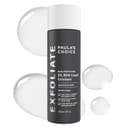
Blackheads and clogged pores on normal to oily skin: Paula’s Choice 2% BHA. It is the most-recommended leave-on BHA there is and the recommendation is earned: a stated 2%, fragrance-free, water-light, from the brand that formulated the category’s reference product.
Dry, reactive or easily-stung skin, or a small budget: The Ordinary Salicylic Acid 2% Anhydrous Solution. Same stated strength, no water, no pH to sting, a de-stinging agent included, 30 ml. The oily finish is the trade.
Daily use, or a face and a back:PanOxyl Clarifying Exfoliant. 118 ml of stated 2% with glycerin, betaine and chamomile in the base, at a drugstore price — the cheapest stated 2% per milliliter here. No fragrance-free claim, which is the thing to know before you buy it.
Body and back congestion specifically:Naturium BHA Liquid Exfoliant 2%. Also 118 ml, with a heavier humectant load, and three citrus fruit extracts marketed as AHA sources — so the acid load is more than the 2% on the front, which matters if your skin is reactive.
Skin that found a straight 2% too much: COSRX Niacinamide 2% + BHA 4%. Betaine salicylate rather than salicylic acid, panthenol and sodium hyaluronate for cushioning, and a stated 2% niacinamide alongside. The gentlest formula here, and the one whose label number means something different.
One honest footnote on price. The cheapest 2% salicylic acid in a US drugstore is not on this page: it is a tub of medicated pads, which costs a few dollars and works. We left it off because the versions we checked list fragrance and menthol among their inactive ingredients, and a scented, mentholated acid is not what we would hand someone whose barrier is already struggling. If you know your skin tolerates both, it is a legitimate cheap option — we just will not rank it above five formulas that do without them.