How we judged these
1. What does it leave behind?
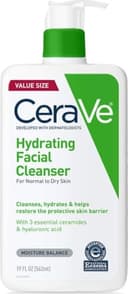
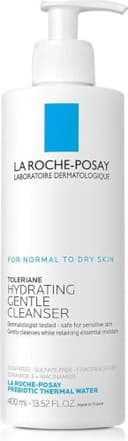
This is the criterion that separates the top of this list from the bottom, and it is the only thing a cream cleanser can really be judged on from a label. Three picks deposit named barrier ingredients: CeraVe Hydrating leaves ceramides NP, AP and EOP plus hyaluronic acid and niacinamide; La Roche-Posay’s Toleriane leaves ceramide-3, niacinamide and glycerin; First Aid Beauty leaves colloidal oatmeal, which the FDA recognises as a skin protectant for itch. Two — Cetaphil and Vanicream — are built on glycerin and mild surfactants with no added barrier lipids, which is not a flaw so much as a different proposition: fewer ingredients means fewer things to react to.
A cleanser is on your face for thirty seconds, so none of this does the work a moisturizer does. What it does is stop the cleanse from subtracting. Our ceramides explainer covers why that matters more than it sounds.
2. Will it take your sunscreen off?
The honest weakness of the format. A gentle, low-lather cream is not designed to break down a full application of water-resistant mineral sunscreen or long-wear makeup, and most of these will not do it in one pass. The standard answer is to double cleanse in the evening: an oil or balm first to dissolve the sunscreen, then the cream cleanser to clean the skin underneath. Our cleansing balm roundup covers the first step and micellar waters the lighter version of it. In the morning, when there is nothing to remove but the night before, a cream cleanser alone is the right amount of cleansing.
3. Lather, and whether you need it
Plenty of people dislike the slightly filmy finish a true cream cleanser leaves and read it as “not clean.” That feeling is psychological rather than hygienic — the skin is clean; it simply is not stripped — but it is also a real reason people abandon the format. The cream-to-foam pick exists for exactly this: colloidal oatmeal and glycerin in a cream that works up to a soft lather, which gives you the sensory cue without the tight after-feel. If you want more lather than that, you want a different format, and foaming vs cream cleanser lays out the trade.
4. Fragrance, and cost per use
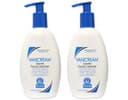
Every pick here is fragrance-free by its published ingredient list, which on a product for dry and reactive skin should be the baseline rather than a selling point. On price, note the sizes: cream cleansers come in unusually large bottles, and the cost per wash varies by a factor of several across this page even though the shelf prices look close. Cetaphil’s 591 ml bottle is the extreme case, and the Vanicream is currently sold only as a two-pack, which raises the checkout price while leaving the per-bottle cost low. We flag both rather than leaving you to discover them at the till.
Who each one is for
CeraVe Hydrating Facial Cleanser is the default. Dry or sensitive skin, twice a day, non-foaming, and the only one here that combines named ceramides with niacinamide and hyaluronic acid at a drugstore price. Very oily skin will find it underwhelming, which is what the oily-skin cleanser picks are for.
Cetaphil Gentle Skin Cleanseris the value answer and the oldest formula on the page. It cleans gently, it is available everywhere, and it can be used without water — genuinely useful for skin too irritated to rinse. It has fewer barrier ingredients than the CeraVe, which is the whole difference between them; CeraVe vs Cetaphil works through that head-to-head properly.
La Roche-Posay Toleriane Hydrating Gentle Cleanser is the upgrade for reactive skin: ceramide-3, niacinamide and prebiotic thermal water from a brand built around skin that reacts to things. The creamy finish feels like a slight film, which is a plus on dry skin and a drawback if you want squeaky.
First Aid Beauty Ultra Gentle Cream-to-Foamis for dry or itchy skin that misses lather. Colloidal oatmeal is an FDA-recognised skin protectant for itch, which makes this a sensible pick for eczema-prone dryness — see skincare for eczema-prone skin. The honest con is a prestige price for a small bottle.
Vanicream Gentle Facial Cleanseris the elimination-diet option: no fragrance, dyes, lanolin, parabens or formaldehyde releasers, and no actives at all. When even “gentle” cleansers sting, this is the reset. It will not remove heavy sunscreen in one pass and you currently buy it two bottles at a time.
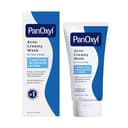
PanOxyl 4% Creamy Wash is the outlier and belongs here for one reason: it is the only way to get benzoyl peroxide in a cream base with humectants rather than a stripping foam. If acne treatment has left your skin dry, this is the format that keeps you on the treatment. It still bleaches towels. See PanOxyl 4 vs 10 for which strength to start on.
How to use a cream cleanser properly
Lukewarm water, not hot — heat strips lipids faster than any surfactant in these formulas. Massage for twenty to thirty seconds with fingertips rather than a cloth or brush, because mechanical abrasion is the thing a gentle cleanser is meant to avoid. Rinse thoroughly, and pat rather than rub dry. Then apply your moisturizer within a minute or two while the skin is still slightly damp, which the American Academy of Dermatology recommends for holding water in.
Twice a day is right for most skin; once, in the evening, is right for very dry or very reactive skin, with a plain water rinse in the morning. If your skin feels tight after a cream cleanser, the cleanser is not the problem — check the water temperature and how long you are washing for. Our how often to wash your face guide and how to choose a cleanser cover the rest of the decision.