How to choose a cleanser for dry skin
For dry and dehydrated skin, the safest default is a non-foaming cream or lotioncleanser. It cleans by dissolving oil and grime rather than lathering it away, so it leaves more of the skin’s protective lipids behind — and the better ones actually deposit ceramides or glycerin as they go. The one rule that matters more than the format: if your face feels tight, dry or slightly stinging after you rinse, the cleanser is too stripping, full stop. A good cleanser leaves dry skin clean but comfortable.
Cream, lotion or cream-to-foam?
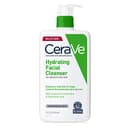
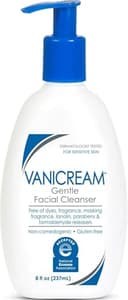
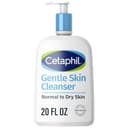
A lotion or cream cleanser (CeraVe Hydrating, Cetaphil, Vanicream) is the gentlest option and the right call for genuinely dry, tight or flaky skin. A cream-to-foamis a reasonable middle ground for people who dislike the “did that actually clean?” feel of a non-foaming wash: it produces a soft, low lather without the harsh surfactants that strip. What dry skin should avoid is a traditional high-foam gel built for oily skin — if you’re coming from one of those, see our foaming vs cream cleanser guide for why the switch alone fixes a lot of dryness.
Ingredients that earn their place
Beyond “gentle,” the formulas worth paying for give something back. Ceramides are the barrier lipids that hold water in, so a cleanser that leaves them behind starts repairing while it cleans. Glycerin is a humectant that draws water into the skin. Niacinamide supports the barrier and calms redness. And colloidal oatmealis an FDA-recognized skin protectant that helps soothe itch — useful when dry skin tips into eczema-prone territory. What to skip: fragrance, essential oils and harsh sulfates, all of which are needless irritants on an already-compromised barrier.
Don’t over-cleanse dry skin
Many people with dry skin do best washing with cleanser once a day, at night, and simply rinsing with lukewarm water in the morning — the American Academy of Dermatology’s guidance is to cleanse gently with lukewarm, never hot, water. Overnight your skin isn’t getting dirty, only producing a little oil that dry skin can afford to keep. And the single most important habit isn’t the cleanser at all: moisturize within a minute or two of washing, while skin is still damp, to trap the water in. A great cleanser sets that up; it doesn’t replace it.
Removing makeup and heavy sunscreen
The trade-off with gentle cleansers is that a single pass can leave heavy makeup or water-resistant sunscreen behind. Rather than switching to a harsher wash, double cleanse: a cleansing balm or oil first to dissolve the makeup and SPF, then your gentle cream cleanser to finish. That removes everything without ever subjecting dry skin to a stripping detergent.