The dry-skin core
Four things do the work: a gentle, non-stripping cleanser, a humectant to draw water in, a rich moisturizer with ceramides and occlusives to hold it there, and daily sunscreen. A barrier that’s intact and well-hydrated is the whole goal — everything below serves it.
Cleanser: never strip dry skin
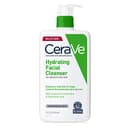
Dry skin can’t spare the oils a foaming wash removes. A non-foaming cream or lotion cleanser — or, in the morning, just lukewarm water — cleans without leaving skin tight. The American Academy of Dermatology’s advice is gentle cleansing with lukewarm (never hot) water, and moisturizing while skin is still damp. If your face feels tight and squeaky after washing, the cleanser is the first thing to change.
Hydrating serum: add the water
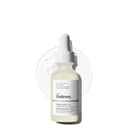
A humectant serum — hyaluronic acid or glycerin — patted onto still-damp skin gives your moisturizer more water to trap. The one rule: apply it to damp skin and seal it, or in dry air a humectant can pull water the wrong way.
Moisturizer: seal it in
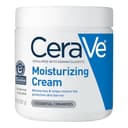
This is the heart of a dry-skin routine. A rich cream with ceramides and occlusives slows water from escaping and repairs the barrier. Apply it generously while skin is slightly damp. For skin that’s not just dry but itchy and irritated— the eczema-prone end — a heavier cream with colloidal oatmeal earns its place; the oatmeal is an FDA-recognized skin protectant for itch.
Rescue balm for the flaky patches
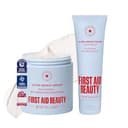
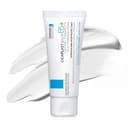
Dry skin often comes with specific rough, flaky or over-exfoliated patches. A soothing repair balm with panthenol is the thing to spot-treat them with — it shields and calms while a compromised area recovers, and it’s handy for lips and hands too. It’s a rescue product, not an all-over daily moisturizer.
Sunscreen: gentle and hydrating
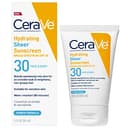
Dry skin skips SPF because so many feel drying, but sun damage worsens dryness and aging. The fix is a gentle, hydrating formula — a mineral SPF with ceramides is comfortable on dry, reactive skin. Daily broad-spectrum SPF 30 or higher belongs in every routine, dry skin included.
Add water, then lock it in
The principle that fixes most dry skin is layering a humectant under an occlusive. Humectants (hyaluronic acid, glycerin) pull water in; occlusives and barrier lipids (ceramides, shea, squalane) slow it escaping. On their own, a humectant in dry air can pull moisture out of your skin, and an occlusive just seals in whatever’s there. Together, in that order, on damp skin, they add water and keep it.
Habits that keep skin dry
- Hot water and foaming cleansers strip the oils dry skin needs.
- Over-exfoliating the flakes makes a compromised barrier worse.
- Moisturizing too late — apply within a minute or two, on damp skin.
- Skipping SPF because it feels drying — the fix is a more hydrating sunscreen.
Cutting these out often does more for dry skin than any product you could add.