The cheaper twin of every pick
Read this section before you buy, not after. In each pair, the expensive one is not a con — it is a real upgrade on a specific axis. But you should know which axis.
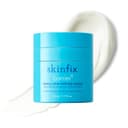
The barrier cream at number one earns its place by disclosing a stated 3% lipid complex and naming the individual ceramides, which almost nothing else does. The twin is CeraVe’s Moisturizing Cream, which sits on the budget shelf: same ceramide-cholesterol-fatty-acid model, a much bigger tub, no published percentage. You are paying for the number on the label and a far more elegant cream. If the recipient is the sort of person who reads labels, that number is genuinely the gift.
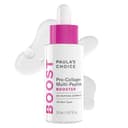
The peptide booster at number two carries newer peptides the cheap serums don’t, in a booster format designed to be mixed into whatever they already use — which is the real reason to buy it for someone whose routine is already full. The twin is The Ordinary’s Multi-Peptide + HA at a fraction of the cost, which names seven peptides and sits in a hydrating base that earns its keep on its own. Neither states a peptide level; nobody in this category does. See our peptide serum roundup for the full comparison.
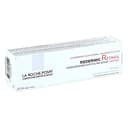
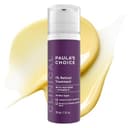
The derm-brand night treatment at number three is the most sophisticated retinol formula we cover — pure retinol plus retinyl linoleate and a gentle LHA exfoliant. Two honest caveats: the brand does not publish a percentage, so we record the concentration as unpublished, and parfum is on the ingredient list, which rules it out for anyone reactive. The twin is CeraVe’s encapsulated Resurfacing Retinol, a budget-shelf price — gentler, barrier-friendly, also unstated.
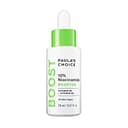
The 10% niacinamide at number four has exactly the same headline strength as the budget version everyone knows. What you are buying is the finish: supporting antioxidants and a texture that layers without the pilling that makes people abandon the cheap one. That is a real problem it really solves — and if they have never complained about pilling, buy the cheap one and something else with the difference.
The 1% retinol at number five is a genuine step up in strength, not just in price, and it states that strength on the label, which is the entire point of buying up. It is also the pick most likely to go wrong as a gift: give it only to someone you know has already built tolerance. The twin is The Ordinary’s stated-strength retinol line, which also publishes exact figures and sells 0.2%, 0.5% and 1% so a user can step up deliberately. Our guide to retinol strengths explains what stepping up actually involves.
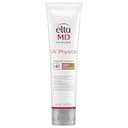
The tinted mineral sunscreen at number six solves the one thing that makes people quit mineral SPF — white cast — with an iron-oxide tint, and it is the most cosmetically elegant mineral we cover. The twin is Australian Gold’s tinted mineral at a drugstore-adjacent price, which actually comes in three shades rather than one universal tint, so for deeper skin tones the cheaper product is arguably the better one. That is not a sentence you will find on many gift guides, and it is the honest read.
How to spend a big budget well on skincare
Buy one excellent thing, not a tower of boxes
The instinct with a large budget is to buy a set, because a set looks like the budget. Resist it. Holiday sets get their apparent value from travel sizes and from stock the brand wants to move, and the “worth” figure on the front is measured against a total nobody pays. One full-size product you’d recommend anyway is more generous in use, even when it is less impressive on the table.
Spend on the step they use every single day
If you are going to overspend on one thing, overspend on moisturizer or sunscreen — the two products that get used twice a day, every day, by everyone. An expensive serum used three nights a week runs out slowly and gets judged harshly. An expensive cream that makes a daily ritual nicer is felt constantly. The American Academy of Dermatology treats cleansing, moisturizing and sun protection as the foundation of a routine for a reason, and it is also the right place to put money you have decided to spend.
Don’t buy strength as a gift
The most common expensive mistake is buying a stronger active than the recipient currently uses, on the theory that stronger is a more generous version of the same present. It is not. A 1% retinol given to someone using 0.2% is a fortnight of flaking with your name on it. If they already have an active they love, the generous move is a different category entirely — or the best possible version of their moisturizer.
If you are shopping November, read the deal page first
This is the band where waiting can genuinely be worth it, because premium skincare has further to fall than a budget cleanser does — and also the band where some brands are effectively price-controlled and never move. Which is which is the whole subject of our Black Friday and Cyber Monday page, written with live prices and no predictions.