What combination skin actually is
Combination skin means different areas of your face behave differently. The T-zone— forehead, nose, chin — has more oil glands, so it gets shiny, congested and prone to blackheads. The cheeks (and often the area around the eyes) run normal to dry, sometimes tight or flaky. A lot of people who describe themselves as “oily” are really combination, and treating the whole face as oily is exactly what keeps it unbalanced — stripping the cheeks to control the nose just makes the cheeks react and the T-zone rebound with more oil.
The strategy: one gentle base, targeted extras
The whole game is treating by zone. Use one gentle, non-stripping cleanser and one light moisturizer across your whole face — that keeps the barrier intact everywhere. Then apply the strong stuff only where it’s needed: an oil-clearing BHA on the T-zone, a little extra hydration on the dry cheeks. You’re not building two separate routines; you’re building one balanced routine and nudging it in each direction where the skin asks.
Cleanser: gentle, not stripping
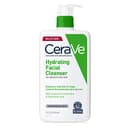
The instinct is to reach for a strong foaming wash to handle the oily T-zone, but that punishes the cheeks. A gentle, non-stripping cleanser used twice a day cleans the whole face without triggering the strip-and-rebound cycle. The American Academy of Dermatology’s guidance is the same for every skin type here: lukewarm water, fingertips, no harsh scrubbing. If your face feels tight afterward, the cleanser is too aggressive for your cheeks. For a genuinely oily-leaning combination, a gel or foaming cleansercan work — just make sure it doesn’t leave you tight.
Hydration two ways
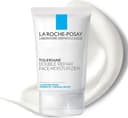
Combination skin still needs moisture everywhere — even the oily T-zone, which often overproduces oil precisely because it’s under-hydrated. A light moisturizer with ceramides and niacinamide suits the whole face without feeling heavy on the nose. For the drier cheeks, layer a humectant— a hyaluronic acid serum on damp skin, sealed by your moisturizer — where you need it, and go lighter over the T-zone. This is where a slightly richer layer on dry patches and a thinner one over the shine pays off. See our hyaluronic acid guide for the application rule that makes it work.
Oil and pores: niacinamide plus a T-zone BHA
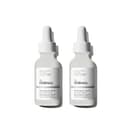
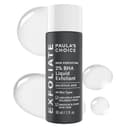
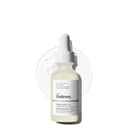
Two actives do most of the balancing work. Niacinamidehelps moderate oil and soften the look of the enlarged pores that show up on the T-zone, and it’s gentle enough to use all over, morning or night. For the congestion and blackheads that collect on the nose and chin, a leave-on salicylic acid (BHA)a few nights a week is the targeted tool — because it’s oil-soluble, it clears the inside of the pore. Apply it mainly to the T-zone and skip the dry areas. Introduce one active at a time, start the BHA at two or three nights a week, and don’t stack it with retinol on the same night.
Sunscreen: lightweight, no grease
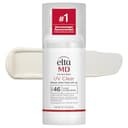
The step combination skin loves to skip because so many SPFs feel heavy on the T-zone. The fix is finish, not omission: a lightweight, oil-free or fluid sunscreen protects the whole face without adding shine. A broad-spectrum SPF 30 or higher, worn daily, does more for long-term skin health than any of the actives above.
Building the routine
- Morning: gentle cleanser (or water rinse), niacinamide, light moisturizer, sunscreen. Add a humectant on dry cheeks if they feel tight.
- Night: gentle cleanser, then either a BHA on the T-zone (a few nights a week) or a hydrating layer on the cheeks, followed by your light moisturizer. Alternate treatments rather than piling them on.
Keep the base constant and let the extras flex with the seasons — more hydration in winter, a touch more oil control in summer. Combination skin rewards that kind of small, zone-aware adjustment far more than a drawer full of products.
The mistake that keeps combination skin unbalanced
It’s over-correcting the oil. Harsh cleansers, alcohol toners and daily scrubs aimed at the T-zone strip the whole face, and stripped skin tends to pump out more oil to compensate — so the shine you were fighting comes back worse, and now your cheeks are irritated too. Gentle and zone-specific beats aggressive and all-over every time.