What people are actually replacing
Four separate things get bundled into “I want a UV Clear alternative,” and which one you mean decides the answer.
1. The niacinamide
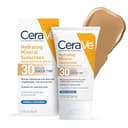
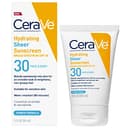
This is the distinguishing feature and the reason dermatologists recommend it for redness-prone skin. Niacinamide has published support for calming redness and supporting barrier function, and a sunscreen that carries it is doing a second job all day. Only one cheaper pick here does the same thing: CeraVe’s Sheer Tint carries niacinamide alongside ceramides NP, AP and EOP, sodium hyaluronate and cholesterol in its inactive list — a base that would stand up as a moisturizer on its own. That is why it leads this page. Our niacinamide explainer covers what it does and does not do.
2. The zinc
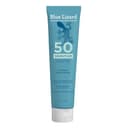
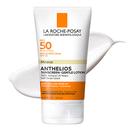
UV Clear’s label states zinc oxide 9.0%. If zinc is what you are after, three picks here state more: Blue Lizard at 10% zinc plus 8% titanium dioxide, CeraVe’s Sheer Tint at 10% zinc plus 5.5% titanium, and La Roche-Posay’s Anthelios Mineral as a 100%-mineral SPF 50. All three are also fully free of organic filters, which UV Clear is not. If your reason for switching is to avoid chemical filters, those are the three to look at.
3. The finish
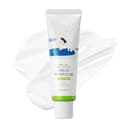
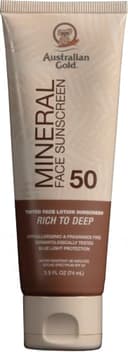
Here the original is hard to beat at the price, and it is worth being candid about that. Making a high mineral load disappear on skin is genuinely difficult formulation, and the cheaper mineral lotions on this page leave more cast and feel heavier. The two routes around it are a tint — which is what the CeraVe Sheer Tint and the Australian Gold use — and the Korean approach, where zinc-based sunscreens routinely achieve a finish US mineral sunscreens do not. The Round Lab is the one of those we carry.
4. The price
The actual reason most people are here. UV Clear comes in a 48 ml tube; several picks here come in 120 or 148 ml. Since the single biggest determinant of whether a sunscreen works is whether you apply a full quarter-teaspoon and reapply, a bigger cheaper tube you use generously can genuinely outperform a small expensive one you ration. See how much sunscreen to apply for the measure, and best sunscreen under $25 for the whole budget shelf.
The Round Lab caveat, in full
One pick here needs a warning that has nothing to do with how good it is. In the United States, sunscreen is regulated as an over-the-counter drug, which is why every US product on this page carries a Drug Facts panel naming its actives and their percentages. Korean sunscreens imported through online marketplaces are not sold under that framework. They carry no US Drug Facts panel, their SPF figure is tested to a different standard, and there is no stated active percentage to compare against the others here.
That is not a claim that the product does not work — the finish is why people buy it and the cosmetic gap is real. It is a claim that you are buying on a different evidentiary basis. Our practical advice is to use it for daily incidental exposure if the finish is what keeps you wearing sunscreen at all, and keep an FDA-regulated SPF for beach-length exposure. Nothing else on this page carries that caveat.
Which alternative is yours
You want the niacinamide and the light finish: CeraVe Hydrating Mineral Sheer Tint SPF 30. The closest thing here in kind, at roughly a third of the price, and the tint handles the cast. The trade-offs are a lower SPF number, a single universal tint rather than a shade range, and an emollient base that oily skin may find too comfortable.
You want the cheapest honest mineral sunscreen: Blue Lizard Sensitive Mineral SPF 50. The highest stated mineral load here, fragrance-free, in a large face-and-body tube that encourages the generous application SPF actually needs. It whitens and feels heavy; that is the deal.
You want pure mineral at SPF 50 from a dermatologist brand: La Roche-Posay Anthelios Mineral SPF 50. The most expensive alternative here and still well under the original, with antioxidants added and a slight cast as the honest cost. See our EltaMD vs La Roche-Posay comparison for that head-to-head in detail.
You have medium or deep skin and cast is the whole problem: Australian Gold Mineral SPF 50 Tinted Face, which comes in three real shades rather than one universal tint. Our picks for deeper skin tones go further.
You want the plainest cheap mineral option: CeraVe Hydrating Mineral SPF 30 untinted, with ceramides and hyaluronic acid. Some cast, no tint to hide it, lowest price of the CeraVe pair.
What not to compromise on
Whatever you switch to, keep three things. Broad spectrum — a legally defined claim in the US covering UVA as well as UVB, and every pick here carries it. SPF 30 or higher, which filters about 97% of UVB at the tested dose. And enough of it: roughly a quarter to a third of a teaspoon for the face, reapplied every two hours in real sun exposure. A cheaper sunscreen applied properly beats a better one applied thinly, which is the practical argument running through this entire page. Our how to choose a sunscreen guide covers the rest, and mineral vs chemical sunscreen explains why the hybrid filter pair on the original works the way it does.