Barrier & Balm

Best Copper Peptide Serums

Only one serum we track prints its GHK-Cu percentage. Four picks ranked on that disclosure, plus what the published peptide research does and does not show.

By Stephen V.Last updated How we pick

The short answer

Top pick

For anyone who wants copper peptides and a number to go with them: a stated 1% GHK-Cu, which nothing else we track publishes.

Budget pick

Copper tripeptide-1 with four signal peptides and bakuchiol in 50 ml — the most product for the least money on this page.

Prices live from the retailer as of November 25, 2026. No claim here rests on a test we ran — we own no units and the ranking is built from published formulation facts.

Buy the Dr. Brenner Copper Peptide Serum if you want copper peptides and want to know the dose: it states 1% GHK-Cu, and it is the only product in our registry that publishes a copper peptide figure at all. The budget pick is the COSRX Blue Peptide Bakuchiol Plump Glow Serum, which puts copper tripeptide-1, four signal peptides and bakuchiol into 50 ml — the largest bottle here by some margin. If you want copper alongside other peptide families in a single mid-price serum, the Naturium Multi-Peptide Advanced Serum does that; and if you would rather skip copper entirely, The Ordinary’s seven-peptide serum is the same idea without it.

Copper peptides are having a moment, and the honest version of why is worth setting out before the picks. GHK-Cu — copper tripeptide-1 — is a carrier peptide: a short amino acid chain bound to copper, which is a cofactor in several enzymes involved in forming and cross-linking collagen and elastin. The published peptide literature, including a recent systematic review of topical peptide therapies, is cautiously positive on firmness and skin-barrier measures and is consistently explicit about the limits: the trials are small, short, and frequently run by the companies selling the ingredient. That is the state of the evidence. It is a reasonable thing to buy and it is not a retinoid.

Which makes disclosure the thing worth ranking on. Copper peptides are expensive raw materials, and a formula can list copper tripeptide-1 while containing an amount that does nothing — the ingredient list tells you presence, never dose. Exactly one product on this page publishes a concentration. The others name their peptides, which is better than a “peptide complex” claim and still less than a number, and our registry records those fields as not published rather than estimating them. An empty spec cell on this site is a finding, not a gap in our research.

How this is funded: we earn a commission if you buy through our links, at no extra cost to you. It never changes which product we recommend, and we’ll tell you when we’d skip one. Full disclosure.

Quick picks

Ranked on formulation, stated concentration and buyer fit. Select a row to jump to the full write-up. We have not tested these products — here is exactly what we do instead.

#ProductBest forPrice
1
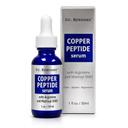
Dr. Brenner Copper Peptide Serum with 1% GHK-Cu

Dr. Brenner Copper Peptide Serum with 1% GHK-Cu

The only serum in this roundup that puts a number on its peptides: the listing states 1% GHK-Cu, and copper tripeptide-1 sits sixth in a deliberately short ingredient list with nothing in it to react to. In a category where nobody quantifies anything, one published figure is worth paying for. What you are not buying is a well-rounded formula — the base is water, glycerin and a penetration enhancer, with no hyaluronic acid or antioxidant to fall back on if the peptides do less than the box implies.

Best overall, only published figure
$29.99 · View on Amazon

Price as of November 25, 2026. #ad How we’re funded

2
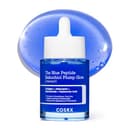
COSRX The Blue Peptide Bakuchiol Plump Glow Serum

COSRX The Blue Peptide Bakuchiol Plump Glow Serum

Honestly described, this is a copper-peptide serum that also contains bakuchiol, not the other way round: niacinamide is fifth, copper tripeptide-1 eleventh and the bakuchiol fourteenth, below the glycols. Bought on those terms it is good value — five named peptides, niacinamide and hyaluronic acid in a 50 ml bottle. Bought as a bakuchiol treatment it will disappoint.

Budget pick, most product per dollar
$17.96 · View on Amazon

$25.6230% off

Price as of November 25, 2026. #ad How we’re funded

3
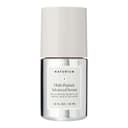
Naturium Multi-Peptide Advanced Serum

Naturium Multi-Peptide Advanced Serum

The one that feels like a finished skincare product rather than a peptide solution. Squalane, shea butter and caprylic/capric triglyceride give it a cushiony lotion-serum texture, and ferulic acid plus rosemary extract add antioxidant cover the pure-peptide serums don't have. If dry or mature skin found The Ordinary's watery texture unsatisfying, this is the fix.

Best multi-family blend
$24.88 · View on Amazon

Price as of November 25, 2026. #ad How we’re funded

4
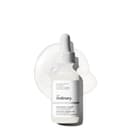
The Ordinary Multi-Peptide + HA Serum

The Ordinary Multi-Peptide + HA Serum

The most peptide you can buy for the money, in a base that earns its keep on its own. Seven named peptides sit in a glycerin-and-hyaluronic-acid serum alongside a full amino acid and sugar complex — so even on the pessimistic view of what peptides achieve topically, you are still applying a well-built hydrating serum. Nothing here is quantified, which is the category norm rather than a mark against this one.

Best peptide serum without copper
$19.90 · View on Amazon

Price as of November 25, 2026. #ad How we’re funded

The picks in full

#1Best overall, only published figure

Dr. Brenner Copper Peptide Serum with 1% GHK-Cu

The only serum in this roundup that puts a number on its peptides: the listing states 1% GHK-Cu, and copper tripeptide-1 sits sixth in a deliberately short ingredient list with nothing in it to react to. In a category where nobody quantifies anything, one published figure is worth paying for. What you are not buying is a well-rounded formula — the base is water, glycerin and a penetration enhancer, with no hyaluronic acid or antioxidant to fall back on if the peptides do less than the box implies.

Strengths

  • States 1% GHK-Cu on the listing — the only quantified peptide claim of the five
  • GHK-Cu (copper tripeptide-1) is the carrier peptide with the most published research behind it
  • Short, legible formula: no fragrance, essential oil or drying alcohol anywhere in the published ingredient list
  • Dimethyl isosorbide in the base is a real penetration enhancer, which is the delivery problem peptides genuinely have

Trade-offs

  • The base is thin — no hyaluronic acid, squalane or antioxidant, so unlike the cheaper picks here there is no hydrating fallback if the peptides underdeliver
  • “Matrixyl 3000” appears in the ingredient list as a supplier trade name rather than an INCI name, so the two peptides it stands for are not named individually
  • Only the copper peptide carries a figure; argireline and palmitoyl pentapeptide-4 are unquantified
  • Copper peptides have a long-standing reputation for not mixing well with direct vitamin C, so they want separate routines or separate days
Key activeCopper tripeptide-1 (GHK-Cu) at a stated 1%
Stated concentration1% GHK-Cu (copper peptides)
FormatLightweight, fast-absorbing serum
Fragrance-freeYes
Best forAll, Mature, Combination

Formulation note. The listing publishes the figure this slot exists for: 1% GHK-Cu. The ingredient list is short — water, glycerin, propanediol, dimethyl isosorbide, polyacrylate crosspolymer-6, copper tripeptide-1, Matrixyl 3000, acetyl hexapeptide-8 (argireline), palmitoyl pentapeptide-4, phenoxyethanol and caprylyl glycol — with no fragrance, essential oil or drying alcohol in it, and dimethyl isosorbide doing real work as a penetration enhancer. Two things to read carefully. “Matrixyl 3000” is a supplier trade name, not an INCI name, so the palmitoyl tripeptide-1 and palmitoyl tetrapeptide-7 it covers are not disclosed individually. And the base holds no hyaluronic acid, squalane or antioxidant, which is the trade-off against the cheaper serums on this page: you are buying the stated concentration, not the supporting formula. The 1% applies to the copper peptide only — the other peptide levels remain Not published.

Ingredients and claims read from the product listing, on November 21, 2026. “Not published” means the brand does not state that figure.

#2Budget pick, most product per dollar

COSRX The Blue Peptide Bakuchiol Plump Glow Serum

Honestly described, this is a copper-peptide serum that also contains bakuchiol, not the other way round: niacinamide is fifth, copper tripeptide-1 eleventh and the bakuchiol fourteenth, below the glycols. Bought on those terms it is good value — five named peptides, niacinamide and hyaluronic acid in a 50 ml bottle. Bought as a bakuchiol treatment it will disappoint.

Strengths

  • Five named peptides — copper tripeptide-1, acetyl hexapeptide-1, acetyl heptapeptide-4, acetyl hexapeptide-8 and acetyl octapeptide-3
  • Niacinamide high in the list, plus beta-glucan, panthenol and four hyaluronic acid forms
  • 50 ml, the largest bottle on this page, at a mid-range price
  • Fragrance- and essential-oil-free

Trade-offs

  • Bakuchiol sits fourteenth, below the glycols and the dimethicone — this is a peptide serum first
  • No percentage published for the bakuchiol or any of the peptides
  • Alcohol appears in the ingredient list, low down but present
  • Copper peptides have a long-standing reputation for not mixing well with direct vitamin C, so it wants its own slot in the routine
Key activeCopper tripeptide-1 and four signal peptides, with bakuchiol
Stated concentrationNot published
FormatSilicone-smooth light serum
Fragrance-freeYes
Best forAll, Normal, Combination, Mature

Formulation note. Water, butylene glycol, glycerin, dipropylene glycol, niacinamide, 1,2-hexanediol, betaine, diethoxyethyl succinate, an acryloyldimethyltaurate copolymer, dimethicone, copper tripeptide-1, two polyglyceryl esters, then bakuchiol at position fourteen, with alcohol, adenosine, tocopherol, four further peptides, beta-glucan, hydrolyzed collagen and five hyaluronic acid derivatives across 39 ingredients. Nothing is quantified, and the order is the honest story: peptides first, bakuchiol second.

Ingredients and claims read from the product listing, on October 21, 2026. “Not published” means the brand does not state that figure.

#3Best multi-family blend

Naturium Multi-Peptide Advanced Serum

The one that feels like a finished skincare product rather than a peptide solution. Squalane, shea butter and caprylic/capric triglyceride give it a cushiony lotion-serum texture, and ferulic acid plus rosemary extract add antioxidant cover the pure-peptide serums don't have. If dry or mature skin found The Ordinary's watery texture unsatisfying, this is the fix.

Strengths

  • Emollient lotion-serum texture — squalane, shea and plant oils make it comfortable on dry skin
  • Ferulic acid and rosemary extract add antioxidant support alongside the peptides
  • Names its peptides: acetyl hexapeptide-8, copper palmitoyl heptapeptide-14 and palmitoyl sh-hexapeptide-13
  • Brand states fragrance-free, vegan and cruelty-free

Trade-offs

  • No peptide, ferulic acid or collagen percentage is published
  • The hydrolyzed collagen is a hydrating film-former — it cannot replace collagen in your skin, whatever the front of the box implies
  • Richer texture than the water-light serums; oily skin may find it too much under sunscreen
  • Costs more than The Ordinary's non-copper serum without stating any more about what's inside
Key activeCopper + signal peptides with ferulic acid
Stated concentrationNot published
FormatCushiony lotion-serum
Fragrance-freeYes
Best forDry, Mature, Normal, Combination

Formulation note. Acetyl hexapeptide-8, copper palmitoyl heptapeptide-14 and palmitoyl sh-hexapeptide-13 serine SP amide, with encapsulated ferulic acid, hydrolyzed collagen, squalane, shea butter, phosphatidylcholine and rosemary leaf extract. Brand states fragrance-free, vegan and cruelty-free but publishes no concentrations, so the figure reads Not published.

Ingredients and claims read from the product listing, on August 13, 2026. “Not published” means the brand does not state that figure.

#4Best peptide serum without copper

The Ordinary Multi-Peptide + HA Serum

The most peptide you can buy for the money, in a base that earns its keep on its own. Seven named peptides sit in a glycerin-and-hyaluronic-acid serum alongside a full amino acid and sugar complex — so even on the pessimistic view of what peptides achieve topically, you are still applying a well-built hydrating serum. Nothing here is quantified, which is the category norm rather than a mark against this one.

Strengths

  • Seven peptides named individually in the INCI, not hidden behind a trademarked 'complex'
  • Hyaluronic acid, glycerin, amino acids and sugars make the base genuinely hydrating in its own right
  • Labeled fragrance-, essential-oil- and alcohol-free
  • By far the cheapest way into a multi-peptide formula

Trade-offs

  • No peptide percentage is published — you are trusting the formulator entirely
  • Watery, slightly tacky finish some people dislike under makeup
  • Peptide evidence overall is weaker than retinol's; this is a supporting act, not a replacement
Key activeSeven signal peptides + hyaluronic acid
Stated concentrationNot published
FormatWater-light serum
Fragrance-freeYes
Best forAll, Sensitive, Oily, Combination

Formulation note. Names seven peptides in the INCI — acetyl hexapeptide-8, pentapeptide-18, palmitoyl tripeptide-1, palmitoyl tetrapeptide-7, palmitoyl tripeptide-38, dipeptide diaminobutyroyl benzylamide diacetate and acetylarginyltryptophyl diphenylglycine — with sodium hyaluronate and its crosspolymer, glycerin, allantoin, a full amino acid roster and sugars. Levels are not stated, so concentration reads Not published; the hydrating base is the part you can count on.

Ingredients and claims read from the product listing, on August 13, 2026. “Not published” means the brand does not state that figure.

How to choose a copper peptide serum

1. Look for a percentage, and notice how rare it is

This is the whole ranking. GHK-Cu in cosmetic formulas is typically used at fractions of a percent to low single figures, and the difference between the bottom and the top of that range is the difference between a marketing claim and a formulation decision. One serum here states 1%. The rest tell you copper tripeptide-1 is present and nothing more, which is legal, normal and not good enough to rank first on. If a brand has spent money on an expensive active, publishing the figure is the cheapest possible way to prove it — so silence is informative.

2. Know what copper peptides are not for

They do not exfoliate, they do not brighten pigmentation in any well-evidenced way, and they do not treat acne. If your complaint is rough texture or clogged pores, buy an acid; if it is dark spots, buy niacinamide, azelaic or tranexamic acid; if it is fine lines and you can tolerate a retinoid, buy the retinoid. Copper peptides are a firmness-and-barrier proposition with a short evidence base, and the right expectation is a modest change over months rather than a visible one over weeks. Our retinol vs peptides comparison sets the two evidence bases side by side without flattering either.

3. Keep copper peptides away from your acids, in the same routine

The standard caution, and it is about efficacy rather than safety: a low pH can affect the peptide-copper complex, so a direct acid or an L-ascorbic acid vitamin C serum applied in the same layer is the one pairing worth avoiding. The practical fix is trivially easy — put copper peptides in one half of the day and your acid or vitamin C in the other. Nobody needs to buy a second product to solve this. Our ingredient conflict chart has the full matrix and how to layer skincare has the order.

4. Think about volume, because peptide bottles are small

Three of the four picks here are 30 ml, which is about two months of twice-daily use, and one is 50 ml. On an active you have to use for three months before judging, the size of the bottle is part of the cost of the experiment. Work out what a quarter of a year costs you before you commit to a brand rather than just a bottle — the live prices above are read when you load the page, so divide by the size in each write-up.

Copper peptides, honestly: what the research shows

GHK-Cu was first described decades ago as a fragment of a plasma protein with a role in wound repair, and that is where most of the serious research sits: tissue repair and remodelling, much of it in cell culture and animal models rather than in cosmetic trials on human faces. The recent systematic review of topical peptide therapies that we cite below groups carrier peptides like GHK-Cu with signal and neurotransmitter-affecting peptides and reaches the same verdict for all three families: promising mechanisms, small and short human trials, high risk of sponsor bias, and a need for better studies. That is not a reason to avoid them. It is a reason to be suspicious of any page that tells you copper peptides are “clinically proven” to do a specific number of things in a specific number of weeks.

Two further honest notes. First, there is a widely repeated claim that copper peptides and vitamin C “cancel each other out.” The defensible version is narrower: a low-pH L-ascorbic acid serum and a copper complex are not ideal in the same layer, which is a sequencing point, not a chemistry disaster. Second, copper peptide serums are often sold on firmness language that is doing a lot of work. We have no tested before-and-after images because we own no units, run no trials and will not borrow somebody else’s. Our methodology page sets out exactly what we do instead.

Which of the four is yours

You want copper peptides and a published dose:Dr. Brenner Copper Peptide Serum with 1% GHK-Cu. The only stated figure in our registry, fragrance-free, 30 ml. It is the mid-price pick here and the one we would buy for the disclosure alone.

The most product for the least money:COSRX The Blue Peptide Bakuchiol Plump Glow Serum. Copper tripeptide-1 plus four signal peptides plus bakuchiol in 50 ml — a lot of serum, and a sensible single step if you also wanted a retinol alternative. No percentage published for any of its actives, which is why it is the budget pick rather than the top one.

One bottle across several peptide families:Naturium Multi-Peptide Advanced Serum — copper and signal peptides with ferulic acid, fragrance-free, 30 ml. The broadest formula here, with the same disclosure gap.

You want peptides without the copper question: The Ordinary Multi-Peptide + HA Serum, seven named signal peptides with hyaluronic acid. No copper, so no acid-sequencing caution and no reliance on the carrier-peptide literature. For most people adding a first peptide step this is still the sensible default, and best peptide serums ranks the wider shelf while best peptide serums under $50 adds the cost-per-millilitre view.

Frequently asked questions

What do copper peptides do?

GHK-Cu is a carrier peptide: a three-amino-acid chain bound to copper, which is a cofactor in enzymes involved in forming and cross-linking collagen and elastin. Most of the serious research is in tissue repair and remodelling, much of it in cell culture and animal models. The published reviews of topical peptide therapies are cautiously positive on firmness and barrier measures and explicit that the human trials are small, short and often supplier-run.

Which copper peptide serum publishes its concentration?

On this page, one: the Dr. Brenner serum, at a stated 1% GHK-Cu. Every other product in our registry names copper tripeptide-1 on the ingredient list and publishes no figure, which our registry records as 'not published' rather than estimating. That matters because an ingredient list tells you presence, never dose, and copper peptides are expensive enough that a token amount is a real possibility.

Can I use copper peptides with vitamin C?

Not in the same layer, as a precaution — a low-pH L-ascorbic acid serum can affect the peptide-copper complex. Put one in the morning and the other at night and the question disappears. The stronger version of this claim, that they 'cancel each other out' in any routine, is overstated: it is a sequencing point rather than a chemistry disaster.

Copper peptides or retinol?

Retinol, if you can tolerate it and your concern is lines and photoaging — the evidence base is decades deep and dose-dependent. Copper peptides are a reasonable addition alongside it, or a reasonable substitute if retinoids irritate you, and they are far less likely to cause flaking or stinging. They are not an equivalent, and any page telling you they are is selling something.

How long do copper peptides take to work?

Plan on at least three months before you judge, which is longer than most people's patience and about the length of the published peptide trials. Anything you notice in the first two weeks is the hydrating base of the serum rather than the peptides.

Are copper peptides safe?

They are widely used in cosmetics with no significant safety signal in the published reviews at the concentrations used topically. As with any new active, patch test, introduce one product at a time, and stop if your skin objects. We are not clinicians and nothing here is medical advice; if you have a diagnosed skin condition, ask the person treating it.

How often do these prices change?

Daily. Every number on this page is read live from a retailer feed when you load it and stamped with the date it was read. If that feed stops, the numbers disappear and the buttons fall back to 'Check price on Amazon' rather than carrying a stale claim forward.

Sources

Keep reading