Barrier & Balm

Best Retinol Alternatives

Bakuchiol, peptides and azelaic acid compared as the three non-retinoid routes — what each one is actually evidenced to do, and the published head-to-head trial everyone quotes.

By Stephen V.Last updated How we pick

The short answer

Top pick

For skin that cannot tolerate a retinoid but wants the two best-supported substitutes: bakuchiol and peptides in one 50 ml bottle.

Budget pick

The cheapest bakuchiol we track and one of only two that publish a percentage — a stated 0.3% in rosehip and chia oils, for dry skin.

Prices live from the retailer as of November 25, 2026. Nothing on this page is claimed to equal a prescription retinoid, and we have tested none of these products.

Buy the COSRX Blue Peptide Bakuchiol Plump Glow Serum if a retinoid is off the table and you want the two best-supported substitutes in one step: bakuchiol plus copper and signal peptides, in 50 ml, at a drugstore price. The budget pick is Good Molecules Bakuchiol Oil Blend, one of only two bakuchiol products in our registry that print a percentage — a stated 0.3% — and the one to buy if your skin is dry. If your reason for avoiding retinol is texture plus redness rather than fine lines, the honest answer is not bakuchiol at all: it is azelaic acid, and The Ordinary’s 10% suspension is the cheapest way in.

First, the part most pages skip. Nothing here is retinol. Retinoids have forty years of controlled trial data behind them and remain the most effective topical anti-aging actives you can buy without a prescription. The reason to use something else is that you cannot use them: you are pregnant or breastfeeding, your skin flares no matter how slowly you ramp, you have rosacea, or you tried three of them and stopped each time. Those are good reasons. “Retinol sounds harsh” is not one, and if that is where you are, start at a low stated strength twice a week instead — retinol for beginners is written for exactly that.

Second, the evidence, stated plainly. One published randomized double-blind trial compared 0.5% bakuchiol twice daily against 0.5% retinol once daily over twelve weeks and found both significantly reduced wrinkle surface area and pigmentation, with no significant difference between them — while the retinol group reported more stinging and scaling. That is one twelve-week study, not a body of literature, and it is the entire basis for the “bakuchiol equals retinol” claim you have read everywhere. It is genuinely encouraging and it is nowhere near the retinoid evidence base. Peptides and azelaic acid have their own, different, published cases, which the write-ups below set out one route at a time.

How this is funded: we earn a commission if you buy through our links, at no extra cost to you. It never changes which product we recommend, and we’ll tell you when we’d skip one. Full disclosure.

Quick picks

Ranked on formulation, stated concentration and buyer fit. Select a row to jump to the full write-up. We have not tested these products — here is exactly what we do instead.

#ProductBest forPrice
1
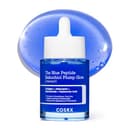
COSRX The Blue Peptide Bakuchiol Plump Glow Serum

COSRX The Blue Peptide Bakuchiol Plump Glow Serum

Honestly described, this is a copper-peptide serum that also contains bakuchiol, not the other way round: niacinamide is fifth, copper tripeptide-1 eleventh and the bakuchiol fourteenth, below the glycols. Bought on those terms it is good value — five named peptides, niacinamide and hyaluronic acid in a 50 ml bottle. Bought as a bakuchiol treatment it will disappoint.

Best overall retinol alternative
$17.96 · View on Amazon

$25.6230% off

Price as of November 25, 2026. #ad How we’re funded

2
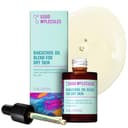
Good Molecules Bakuchiol Oil Blend for Dry Skin

Good Molecules Bakuchiol Oil Blend for Dry Skin

Three ingredients, all three quantified: 80% rosehip seed oil, 19.7% chia seed oil and 0.3% bakuchiol. In a category where almost nobody publishes a bakuchiol level, that disclosure is remarkable — and it also tells you the dose sits below the 0.5% used in the one head-to-head trial against retinol. You are buying an honest rosehip oil with a measured bakuchiol addition, not a bakuchiol treatment.

Budget pick, best for dry skin
$6.99 · View on Amazon

$10.0030% off

Price as of November 25, 2026. #ad How we’re funded

3
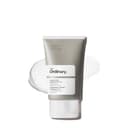
The Ordinary Azelaic Acid Suspension 10%

The Ordinary Azelaic Acid Suspension 10%

A multitasker with genuine evidence for redness, bumps and post-acne marks — and one of the few actives that's usually fine for rosacea-prone skin. A stated 10%, for a few dollars.

Best for texture with redness
$12.20 · View on Amazon

Price as of November 25, 2026. #ad How we’re funded

4
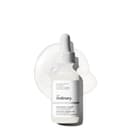
The Ordinary Multi-Peptide + HA Serum

The Ordinary Multi-Peptide + HA Serum

The most peptide you can buy for the money, in a base that earns its keep on its own. Seven named peptides sit in a glycerin-and-hyaluronic-acid serum alongside a full amino acid and sugar complex — so even on the pessimistic view of what peptides achieve topically, you are still applying a well-built hydrating serum. Nothing here is quantified, which is the category norm rather than a mark against this one.

Best peptide route
$19.90 · View on Amazon

Price as of November 25, 2026. #ad How we’re funded

5
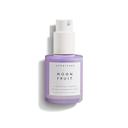
Herbivore Moon Fruit 1% Bakuchiol + Peptides Retinol Alternative Serum

Herbivore Moon Fruit 1% Bakuchiol + Peptides Retinol Alternative Serum

The only pure-bakuchiol face serum here that prints a number on the box: a stated 1%, double the concentration used in the trial this whole category rests on, with no retinol anywhere in the formula. It is a water-and-jojoba emulsion rather than an oil, so it layers under a moisturizer. What you are also buying is a 42-ingredient list that is mostly unquantified fruit and flower extract, a subtle fruit scent rather than a fragrance-free formula, and alcohol low down in the list — which is why it is not the pick for reactive skin, whatever the price suggests.

Best water-based bakuchiol serum
$47.60 · View on Amazon

$68.0030% off

Price as of November 25, 2026. #ad How we’re funded

6
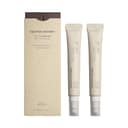
Haruharu WONDER Black Rice Bakuchiol Eye Cream

Haruharu WONDER Black Rice Bakuchiol Eye Cream

The only product on this page at the exact concentration the published trial used: a stated 0.5% bakuchiol, in an emollient cream with niacinamide fifth and sunflower seed oil third. The catch is the format — it is an eye cream, now sold only as a duo of two 20 ml jars, so it is the right answer for the area where retinol most often stings and the wrong answer if you wanted to treat a whole face.

Best for the eye area
$16.99 · View on Amazon

$21.9923% off

Price as of November 25, 2026. #ad How we’re funded

The picks in full

#1Best overall retinol alternative

COSRX The Blue Peptide Bakuchiol Plump Glow Serum

Honestly described, this is a copper-peptide serum that also contains bakuchiol, not the other way round: niacinamide is fifth, copper tripeptide-1 eleventh and the bakuchiol fourteenth, below the glycols. Bought on those terms it is good value — five named peptides, niacinamide and hyaluronic acid in a 50 ml bottle. Bought as a bakuchiol treatment it will disappoint.

Strengths

  • Five named peptides — copper tripeptide-1, acetyl hexapeptide-1, acetyl heptapeptide-4, acetyl hexapeptide-8 and acetyl octapeptide-3
  • Niacinamide high in the list, plus beta-glucan, panthenol and four hyaluronic acid forms
  • 50 ml, the largest bottle on this page, at a mid-range price
  • Fragrance- and essential-oil-free

Trade-offs

  • Bakuchiol sits fourteenth, below the glycols and the dimethicone — this is a peptide serum first
  • No percentage published for the bakuchiol or any of the peptides
  • Alcohol appears in the ingredient list, low down but present
  • Copper peptides have a long-standing reputation for not mixing well with direct vitamin C, so it wants its own slot in the routine
Key activeCopper tripeptide-1 and four signal peptides, with bakuchiol
Stated concentrationNot published
FormatSilicone-smooth light serum
Fragrance-freeYes
Best forAll, Normal, Combination, Mature

Formulation note. Water, butylene glycol, glycerin, dipropylene glycol, niacinamide, 1,2-hexanediol, betaine, diethoxyethyl succinate, an acryloyldimethyltaurate copolymer, dimethicone, copper tripeptide-1, two polyglyceryl esters, then bakuchiol at position fourteen, with alcohol, adenosine, tocopherol, four further peptides, beta-glucan, hydrolyzed collagen and five hyaluronic acid derivatives across 39 ingredients. Nothing is quantified, and the order is the honest story: peptides first, bakuchiol second.

Ingredients and claims read from the product listing, on October 21, 2026. “Not published” means the brand does not state that figure.

#2Budget pick, best for dry skin

Good Molecules Bakuchiol Oil Blend for Dry Skin

Three ingredients, all three quantified: 80% rosehip seed oil, 19.7% chia seed oil and 0.3% bakuchiol. In a category where almost nobody publishes a bakuchiol level, that disclosure is remarkable — and it also tells you the dose sits below the 0.5% used in the one head-to-head trial against retinol. You are buying an honest rosehip oil with a measured bakuchiol addition, not a bakuchiol treatment.

Strengths

  • Publishes every percentage in the formula — 80% rosehip, 19.7% chia, 0.3% bakuchiol
  • No retinol, no fragrance, no essential oil, no alcohol
  • Rosehip and chia seed oils are genuinely good emollients in their own right, so the base earns its keep
  • The cheapest bakuchiol product here by a wide margin

Trade-offs

  • 0.3% bakuchiol is below the 0.5% concentration used in the published retinol comparison
  • A 12 ml bottle — the smallest volume of any pick on this page
  • An all-oil formula: oily and acne-prone skin will likely not get on with it
  • Rosehip oil is rich in unsaturated fats, so it oxidizes relatively fast once opened
Key activeBakuchiol 0.3% in rosehip and chia seed oils
Stated concentration0.3% bakuchiol
FormatDry-touch facial oil
Fragrance-freeYes
Best forDry, Mature, Normal, Sensitive

Formulation note. Three ingredients with stated levels: rosa rubiginosa (rosehip) seed oil 80.0%, salvia hispanica (chia) seed oil 19.7%, bakuchiol 0.3%. Labeled fragrance-, essential-oil- and alcohol-free. This is the only product on this page that publishes its bakuchiol percentage outright, and the figure is lower than the 0.5% used in the Dhaliwal comparison with retinol — worth knowing rather than hidden.

Ingredients and claims read from the product listing, on October 21, 2026. “Not published” means the brand does not state that figure.

#3Best for texture with redness

The Ordinary Azelaic Acid Suspension 10%

A multitasker with genuine evidence for redness, bumps and post-acne marks — and one of the few actives that's usually fine for rosacea-prone skin. A stated 10%, for a few dollars.

Strengths

  • Stated 10% azelaic acid — good evidence for redness and pigmentation
  • Generally well-tolerated by rosacea-prone skin
  • Can be layered with most other actives

Trade-offs

  • Silicone suspension has a distinctive, slightly grainy feel
  • Can pill under some sunscreens if over-applied
Key activeAzelaic acid
Stated concentration10%
FormatSilicone cream-gel
Fragrance-freeYes
Best forRosacea-prone, Blemish-prone, Sensitive

Formulation note. 10% azelaic acid. Evidence supports it for rosacea redness, mild acne and pigmentation, and it's gentle enough for reactive skin — an unusually broad, well-tolerated active.

Ingredients and claims read from the product listing, on July 17, 2026. “Not published” means the brand does not state that figure.

#4Best peptide route

The Ordinary Multi-Peptide + HA Serum

The most peptide you can buy for the money, in a base that earns its keep on its own. Seven named peptides sit in a glycerin-and-hyaluronic-acid serum alongside a full amino acid and sugar complex — so even on the pessimistic view of what peptides achieve topically, you are still applying a well-built hydrating serum. Nothing here is quantified, which is the category norm rather than a mark against this one.

Strengths

  • Seven peptides named individually in the INCI, not hidden behind a trademarked 'complex'
  • Hyaluronic acid, glycerin, amino acids and sugars make the base genuinely hydrating in its own right
  • Labeled fragrance-, essential-oil- and alcohol-free
  • By far the cheapest way into a multi-peptide formula

Trade-offs

  • No peptide percentage is published — you are trusting the formulator entirely
  • Watery, slightly tacky finish some people dislike under makeup
  • Peptide evidence overall is weaker than retinol's; this is a supporting act, not a replacement
Key activeSeven signal peptides + hyaluronic acid
Stated concentrationNot published
FormatWater-light serum
Fragrance-freeYes
Best forAll, Sensitive, Oily, Combination

Formulation note. Names seven peptides in the INCI — acetyl hexapeptide-8, pentapeptide-18, palmitoyl tripeptide-1, palmitoyl tetrapeptide-7, palmitoyl tripeptide-38, dipeptide diaminobutyroyl benzylamide diacetate and acetylarginyltryptophyl diphenylglycine — with sodium hyaluronate and its crosspolymer, glycerin, allantoin, a full amino acid roster and sugars. Levels are not stated, so concentration reads Not published; the hydrating base is the part you can count on.

Ingredients and claims read from the product listing, on August 13, 2026. “Not published” means the brand does not state that figure.

#5Best water-based bakuchiol serum

Herbivore Moon Fruit 1% Bakuchiol + Peptides Retinol Alternative Serum

The only pure-bakuchiol face serum here that prints a number on the box: a stated 1%, double the concentration used in the trial this whole category rests on, with no retinol anywhere in the formula. It is a water-and-jojoba emulsion rather than an oil, so it layers under a moisturizer. What you are also buying is a 42-ingredient list that is mostly unquantified fruit and flower extract, a subtle fruit scent rather than a fragrance-free formula, and alcohol low down in the list — which is why it is not the pick for reactive skin, whatever the price suggests.

Strengths

  • A stated 1% bakuchiol — double the 0.5% used in the published retinol comparison, and the highest published figure of any retinol-free product in our registry
  • Genuinely retinol-free, which is the entire point if you came to bakuchiol to avoid retinoids
  • A water-based emulsion rather than an anhydrous oil, so it goes under moisturizer instead of last
  • Jojoba seed oil fifth in the list with an olive-derived emulsifier pair and vitamin E further down — the carrier does real emollient work rather than just thickening water

Trade-offs

  • Not fragrance-free: the listing describes a subtle fruit scent, and because it comes from botanical extracts rather than a declared parfum there is no single ingredient to screen for
  • Alcohol appears in the ingredient list (position 36 of 42), low but present
  • The 'plant peptides' of the name are never named individually — the only hydrolyzed plant protein in the list is hydrolyzed Eragrostis tef seed extract, twelfth and unquantified
  • Still the priciest pick on this page, and most of the list past position twelve is fruit extract — fig, pomegranate, mulberry, blueberry, raspberry, apple, banana — none quantified, none doing documented work
Key activeBakuchiol 1% with plant peptides (retinol-free)
Stated concentration1% bakuchiol
FormatLightweight water-based emulsion
Fragrance-freeNo
Best forAll, Normal, Combination, Mature

Formulation note. Forty-two ingredients: water, triheptanoin, propanediol, C9-12 alkane, jojoba seed oil, the cetearyl olivate / sorbitan olivate emulsifier pair, glycerin and neem flower extract, then bakuchiol tenth, then hydrolyzed Eragrostis tef (teff) seed extract — the 'plant peptides' of the name — and a long run of fruit and flower extracts: schisandra, kangaroo paw, fig, pomegranate, mulberry, ginkgo nut, ivy gourd, blueberry, vanilla, rose, orange peel, raspberry, apple, banana, bitter orange leaf and camphor wood. Citric acid is there as a pH adjuster, not an exfoliant; alcohol sits at position 36. There is no retinol and no declared parfum, but the listing states a subtle fruit scent, so this is not a fragrance-free formula. The 1% bakuchiol figure is published; nothing else in the formula is quantified.

Ingredients and claims read from the product listing, on November 23, 2026. “Not published” means the brand does not state that figure.

#6Best for the eye area

Haruharu WONDER Black Rice Bakuchiol Eye Cream

The only product on this page at the exact concentration the published trial used: a stated 0.5% bakuchiol, in an emollient cream with niacinamide fifth and sunflower seed oil third. The catch is the format — it is an eye cream, now sold only as a duo of two 20 ml jars, so it is the right answer for the area where retinol most often stings and the wrong answer if you wanted to treat a whole face.

Strengths

  • States 0.5% bakuchiol — the same concentration used in the published head-to-head against retinol
  • Niacinamide fifth and bakuchiol tenth, both high for a cream of this price
  • Cushioned, fatty-alcohol-and-sunflower-oil base that suits thin under-eye skin
  • Fragrance- and essential-oil-free, and still one of the cheaper ways to buy a bakuchiol product that publishes a percentage at all

Trade-offs

  • Only the two-jar duo is in stock, so the smallest pack you can buy is 40 ml of eye cream rather than 20 — still the wrong economics for treating a full face
  • Brand states 0.2% fermented black rice, but no ingredient is declared under that name; the closest is rice extract, which is not the same claim
  • Long botanical tail (bamboo shoot bark, Sichuan pepper fruit, lichen, Korean pasque flower, ginseng) that nobody can size
  • Several fatty alcohols and cetyl palmitate make it richer than most eye creams — not for anyone prone to milia
Key activeBakuchiol 0.5% + niacinamide
Stated concentration0.5% bakuchiol
FormatCushiony emollient cream
Fragrance-freeYes
Best forDry, Normal, Mature, Sensitive

Formulation note. Water, glycerin, sunflower seed oil, caprylic/capric triglyceride, niacinamide, 1,2-hexanediol, cetyl alcohol, cetearyl alcohol, C14-22 alcohols, bakuchiol, then rice extract, bamboo shoot bark, Sichuan pepper fruit, lichen, Korean pasque flower, ginseng root, adenosine, sodium hyaluronate, wheat amino acids and madecassoside across 42 ingredients. The brand states 0.5% bakuchiol and 0.2% fermented black rice; the bakuchiol figure is the one the ingredient list supports. Sold as a duo of two 20 ml jars — 1.34 fl oz in total — which is the only pack currently listed.

Ingredients and claims read from the product listing, on October 29, 2026. “Not published” means the brand does not state that figure.

The three routes, and what each one is for

Bakuchiol — the closest thing to a like-for-like swap

Bakuchiol is a plant-derived compound from Psoralea corylifolia that is not chemically a retinoid but appears to act on some of the same gene expression pathways. In the trial described above it matched 0.5% retinol on wrinkle and pigmentation measures over twelve weeks with less stinging and scaling. Three of the six picks here are bakuchiol, and the thing to look for is a published percentage: the trial used 0.5%, and only three products in our whole registry state a figure at all. The rest say “bakuchiol” on the front and nothing on the back, which our registry records as not published rather than guessing at. Our bakuchiol explainer goes through the mechanism and retinol vs bakuchiol puts the two side by side.

Peptides — firmness and barrier, not resurfacing

Peptides are short chains of amino acids. Signal peptides are proposed to nudge fibroblasts toward collagen production; carrier peptides deliver trace minerals such as copper. The published reviews are cautiously positive on firmness and skin-barrier measures and consistently note that the trials are small, short and frequently run by the ingredient suppliers. What peptides do not do is exfoliate or resurface, so if your complaint is rough texture or clogged pores a peptide serum will disappoint you. What they do have going for them is tolerability: a peptide serum is about the least irritating active step you can add, and it layers with everything. Our peptide serum picks rank that route on its own and retinol vs peptides compares the two mechanisms.

Azelaic acid — the dermatologist’s answer

Azelaic acid is the route most often reached for when retinoids are genuinely off the table, because it does three things at once: it normalises keratinisation, it is anti-inflammatory, and it inhibits tyrosinase, which is why it works on post-inflammatory marks. Published reviews support it in both acne and rosacea, and it is one of the actives the American Academy of Dermatology lists as generally appropriate in pregnancy — a question we will not answer for you, because it is one for your own clinician. If your skin is red as well as uneven, this is a better pick than any bakuchiol on the page. Start at every other night: the 10% suspension can sting and the grainy texture takes getting used to. See how to use azelaic acid and retinol vs azelaic acid.

Pregnancy, and why this page will not tell you it is safe

The single biggest search behind “retinol alternative” is pregnancy, and we are going to be careful here because it is the one place a confident website does real harm. Oral retinoids are a known teratogen and topical retinoids are conventionally avoided in pregnancy as a precaution. Bakuchiol, peptides and azelaic acid are all commonly suggested as substitutes, and azelaic acid in particular appears on dermatology patient guidance for pregnancy. None of that is a clearance from us: we are not clinicians, we have no access to your history, and the published reviews of topical use in pregnancy are explicit that data are limited for most ingredients. Take the list to your obstetrician or dermatologist and let them decide. Our pregnancy-safe skincare page sets out what the published guidance actually says, with the same caveat.

What none of these will do

They will not work faster than retinol. Twelve weeks is the trial length for the bakuchiol comparison, and the peptide studies run similar durations; if you are two weeks in and judging, you are judging too early. They will not treat deep wrinkles — nothing topical will, including retinol. And they will not substitute for sunscreen, which is the actual intervention for the signs most people are trying to treat here: UV exposure is the dominant driver of photoaging, and a morning SPF does more for the next decade of your face than any bottle on this page. If you take one thing from this roundup, take the sunscreen first and the alternative second.

Which of the six is yours

You want one bottle that covers the most ground:COSRX The Blue Peptide Bakuchiol Plump Glow Serum — copper tripeptide-1 with four signal peptides plus bakuchiol, fragrance-free, 50 ml. The honest gap is that it publishes no bakuchiol percentage, which is why the write-up says so.

Dry skin, and you want a published figure: Good Molecules Bakuchiol Oil Blend, a stated 0.3% bakuchiol in rosehip and chia seed oils. It is an oil, so it is the last step and it is wrong for oily skin.

Texture plus redness, or post-acne marks: The Ordinary Azelaic Acid Suspension 10%. The most useful active on this page for the most people, and the cheapest route to it. Grainy, and it can pill under sunscreen.

Firmness, and the lowest possible irritation:The Ordinary Multi-Peptide + HA Serum — seven named signal peptides with hyaluronic acid, in a watery serum that goes under everything.

You want a serum rather than an oil:Herbivore Moon Fruit 1% Bakuchiol + Peptides, the water-based option here — a stated 1% bakuchiol, the highest published figure of any retinol-free product in our registry, in a water-and-jojoba emulsion that layers under moisturizer. It is the most expensive pick on the page, it carries a subtle fruit scent rather than being fragrance-free, and alcohol sits low in the ingredient list.

The eye area specifically:Haruharu WONDER Black Rice Bakuchiol Eye Cream, at a stated 0.5% bakuchiol with niacinamide — the only product in our registry that matches the concentration used in the published trial. Retinol around the eyes is tolerable for some people and not for others; can you use retinol around your eyes covers that question, and best bakuchiol serums ranks the bakuchiol route on its own terms.
Frequently asked questions

Is bakuchiol as good as retinol?

One published randomized double-blind trial compared 0.5% bakuchiol twice daily with 0.5% retinol once daily over twelve weeks and found both significantly reduced wrinkle surface area and pigmentation with no significant difference between them, while the retinol group reported more stinging and scaling. That is one twelve-week study. Retinoids have decades of trial data. So: promising, well tolerated, and not an equivalent body of evidence.

What is the best retinol alternative for pregnancy?

That is a question for your obstetrician or dermatologist, not for a website. What we can tell you is what the published guidance says: topical retinoids are conventionally avoided in pregnancy as a precaution, azelaic acid appears on dermatology patient guidance as generally appropriate, and the reviews of topical use in pregnancy are explicit that data are limited for most ingredients. Take the ingredient list to your clinician.

Can I use a retinol alternative with other actives?

Peptides layer with essentially anything, which is one of their main attractions. Bakuchiol is also well tolerated alongside vitamin C, niacinamide and acids. Azelaic acid is the one to introduce carefully: it can sting on its own, so add it on alternate nights before you consider pairing it with an exfoliating acid. Our ingredient conflict chart has the full matrix.

How long before a retinol alternative works?

Plan on twelve weeks before you judge, because that is how long the published comparison trials ran. You may see hydration and smoothness changes in two or three weeks, but those are mostly the base of the product rather than the active. Pigmentation and fine lines move on a timescale of months.

Is azelaic acid a retinol alternative or an acne treatment?

Both, which is why it is on this page. Published reviews support it in acne and in rosacea, and it inhibits tyrosinase, which is why it is also used on post-inflammatory marks and melasma. It does not act on the retinoid receptors, so it is not a retinoid substitute mechanistically — but for the specific combination of uneven texture, redness and dark marks it is often the more useful product.

Do peptides actually do anything?

The published reviews are cautiously positive on firmness and barrier measures, and consistently note that the trials are small, short and often supplier-run. Our honest reading: a peptide serum is a low-risk, low-irritation addition that may help firmness over months, and it is not a resurfacing active. If your complaint is rough texture or clogged pores, buy an acid instead.

Which products on this page state their concentration?

All three bakuchiol picks: the Good Molecules oil blend at a stated 0.3%, the Haruharu WONDER eye cream at a stated 0.5% and the Herbivore Moon Fruit serum at a stated 1%. The Ordinary's azelaic suspension states 10%. The COSRX serum names its actives but publishes no percentage, and our registry records that field as 'not published' rather than estimating it. An empty spec cell here means the brand did not say.

Sources

Keep reading